
In the Midst of the Ceuta Crisis: Morocco's Prime Minister in Mallorca — a Reality Check
In the Midst of the Ceuta Crisis: Morocco's Prime Minister in Mallorca — a Reality Check
Aziz Akhannouch traveled to Mallorca by private jet during the tensions around Ceuta. What does this say about diplomacy, transparency and attitudes toward refugees? A critical perspective from Palma.
In the Midst of the Ceuta Crisis: Morocco's Prime Minister in Mallorca — a Reality Check
Guiding question: Is it politically defensible for a head of government to go on holiday undisturbed during an internationally sensitive migration crisis — and what questions does that raise for Mallorca?
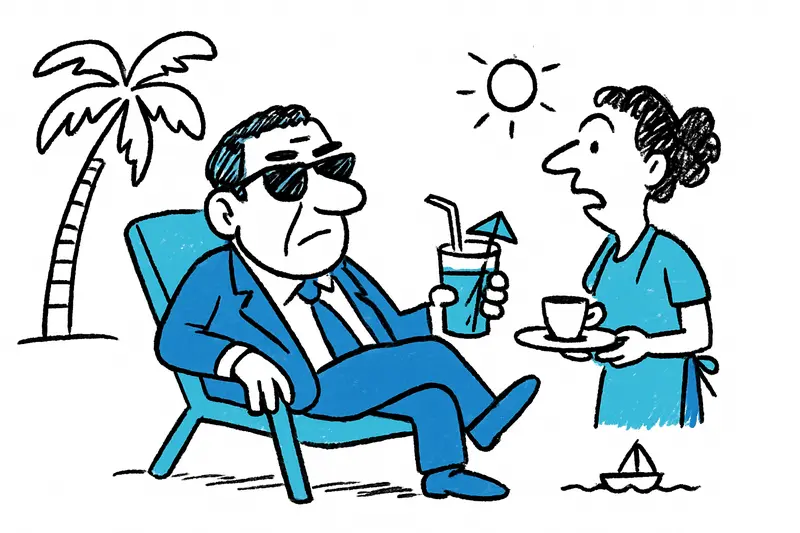
It is an image that does not fit on a hot August day: while scooters whistle along the street in front of the Passeig Marítim and waiters juggle at the pavement cafés, Morocco's Prime Minister Aziz Akhannouch landed on the island by private plane, according to available information. The news sounds simple, almost banal — a powerful man takes a break. In reality, however, it raises several fundamental problems.
First: transparency. The public, both in Spain and in Morocco, has a legitimate interest in knowing how and why state guests or heads of government enter and leave EU territory, especially when tensions at the external borders are occurring at the same time. Who decides on landing and security clearances? What rules apply to accompanying persons, security staff and possible meetings during the stay? Such questions remain unanswered, and that breeds mistrust.
Second: prioritization. When thousands of people seeking protection and prospects test Fortress Europe — a dynamic highlighted in Frontex warning: When the Balearic Islands become more transit than destination — how Mallorca should respond — it is disconcerting if diplomacy and crisis management are not visibly addressed at the same time. This concerns not only statesmen but also the mechanics between embassies, border authorities and political offices, and is mirrored by diplomatic distance analysed in Merz in Madrid: Why political differences with Sánchez are also felt in Mallorca. Who coordinates the responses — and how quickly?
What is often missing from public debate is the local perspective: here in Mallorca we see not only helicopters in the sky, but also NGOs, rescue teams and volunteers who fill large gaps with limited means, as described in Between Quays and Bureaucracy: How Mallorca's Ports Are Responding to Landings. In Portixol, during an early walk on the beach, people talk about the news while fishing boats glide out to sea. These everyday observations decouple political gestures from their effects on human lives.
Another missing element is clear regulation for VIP flights in times of crisis. Airports are not neutral backyards; they are infrastructure with political implications. When a private jet lands amid an international area of tension, there should be comprehensible protocols: recording public flight movements, minimizing secrecy for security reasons and a transparent chain of communication between the states involved.
Concrete approaches can be formulated without falling into unrealistic demands. Suggestions that could work:
1. Publication of a standardized reporting obligation for VIP and government flights in times of crisis, at least in anonymised form, so that authorities and journalists can examine verifiable information.
2. Establishment of fixed crisis dialogue channels between origin, transit and destination countries — no constant improvisation, but clear contacts and time windows for responses.
3. Political visits should be publicly documented: duration, a rough agenda and responsibilities. That protects both hosts and guests from speculation.
4. Stronger support for local aid organisations that do direct work on coasts and in ports. Visible assistance on the ground eases the diplomatic level and demonstrates concrete solidarity.
In the end, a promise remains unfulfilled: politics must not sideline itself in times of movement and need. Here in Mallorca, where tourists enjoy the sea and harbour workers live their daily lives, a secluded luxury stay beside a humanitarian crisis creates a distorted perception of responsibility.
Conclusion: It is not just about a prime minister's personal freedom to take a holiday. It is about how states act visibly, accountably and responsibly in an interconnected world. Demanding that openness ultimately protects trust — between states, but also between politics and people on the beach.
Frequently asked questions
What is the best time of year to visit Mallorca for good weather?
Is it good to swim in Mallorca's sea year-round?
What should I pack for a trip to Mallorca?
What are some easy day trips from Palma?
How does Mallorca's weather vary across the seasons?
Is Mallorca suitable for hiking and outdoor activities?
What transport options are best for getting around Mallorca?
Are beaches in Mallorca safe for swimming, and how crowded are they in peak season?
Similar News

From the Reality Studio to the Pitch: Aleks Petrovic Makes Mallorca His Base
The former participant in numerous TV shows moves from Dubai to the island and launches a project with FC Germania Mallo...

When the Phone Falls Silent: Concern for Sarah Joelle in Mallorca — and What It Reveals
After days without a response, the TV personality's unreachability in Mallorca sparked concern. Shortly afterwards an al...
Ultraluxury on the Ground: Four Seasons Jet in Palma — a Reality Check for Formentor and the Island
A high-priced flight crosses Mallorca and its guests stay for days at the Formentor resort. What does the island get bes...
Death of a Witness and the Justice Backlog: Why the Kegel Brothers Trial Matters in Mallorca
A witness in the Playa de Palma fire case has died, and the trial against eight German holidaymakers has been delayed un...

Champagne Reception, Red Carpet and Mini Originals: The Pre-Nit del Art at Gallery Mensing
Almost 400 guests, champagne, pop-art feats by Tom Boston and a raffle for the Parkinson's foundation: Gallery Mensing t...
More to explore
Discover more interesting content

Can Cap de Bou

Townhouse Lleo 72
