
Between Llaüts and Emptiness: A Critical Walk Through Palma's Forgotten Corners
Ciutat Jardí and Es Coll d’en Rabassa are not postcard Mallorca but a mosaic of crumbling houses, colorful doors and quiet possibilities. Who benefits from the change — and what is lost when the city 'polishes' the neighbourhood?
A neighbourhood of contradictions: Who owns this Palma?
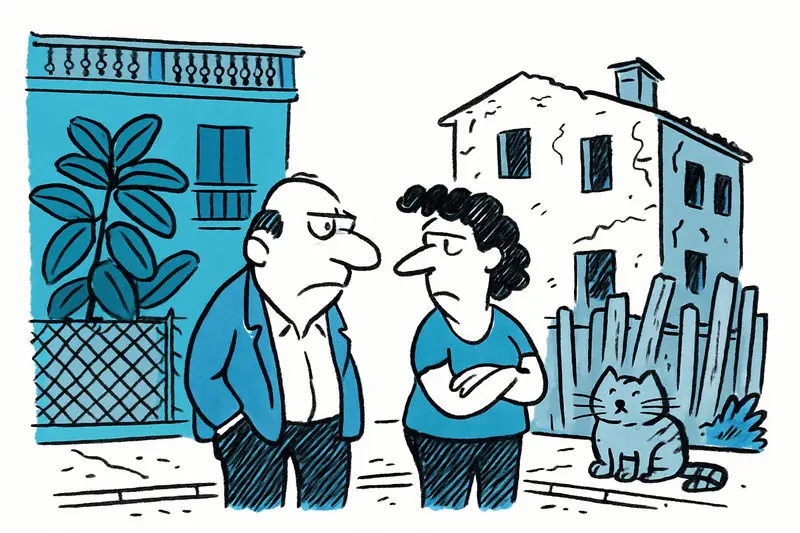
If you turn off the Playa de Palma cycle path and wander into the quieter lanes of Ciutat Jardí and Es Coll d’en Rabassa, you immediately notice: this is not the Mallorca from travel brochures. It smells of sea and fried paella edges, somewhere a grey-tabby cat purrs in a driveway and seemingly runs the neighbourhood. Between tall terraces with balustrades and lopsided rubber trees lies a question you should hear more often here: Who owns this piece of Palma — the locals, the cyclists heading to the centre, the holidaymakers, or soon the investors — as discussed in Palma's Quiet Favorites: Where Neighborhood Still Comes to the Table?
Old, a little run-down — and still lively
Many houses look as if they were imported straight from the 1970s: weathered shutters, roof terraces with sea views and hand-painted street signs that have more personality than some hip boutiques. On one side of the street small gardens bloom, on the other stands an abandoned building that once supposedly bred lobsters and is now occupied by young people. Between the washing of the waves at the small harbour of Cala Gamba and the sound of a siren from San Juan de Dios there is a mix of calm and everyday pragmatism. Cats patrol where cannons once stood — the Torre d’en Pau offers more mice than military history, as shown in Palma, silently beautiful: A walk into the city a hundred years ago.
What is often missing from public debate
The seldom-discussed facts are the ones that shape everyday life: the ditches around the Torre d’en Pau are no longer romantic ruins but rubbish traps; proximity to the hospital creates particular demand for affordable accommodation for nurses and carers; the cycle path is full — often with bikes from Germany, as many license plates reveal. All of this signals that the neighbourhood is not simply 'sleepy' but in a transitional state. These transitions interest homeowners, investors and urban planners, but rarely the broader public — and that is where risks arise. These tensions mirror tourist surges described in When the Clouds Come: Palma's Old Town Between Gain and Limits.
The central guiding question
The guiding question is not about sentimentality: Can Palma allow this district to keep breathing without either suffocating it or completely transforming it? Put differently: how do you prevent what is charming and affordable here from being turned into a homogenous, expensive neighbourhood once the right investors arrive?
Risks and concrete consequences
Rising gentrification means more than nicer facades; see Gentrification. It drives up rents, displaces long-term residents and erases the small shops with their idiosyncratic opening hours and smells — yes, even the scent of fried paella. The proximity to the harbour makes the area attractive for holiday rentals; vacant industrial buildings are ideal targets for stylish conversions. Without planning, there is a risk of standardisation: chain cafés, tidy promenades and hardly any of the improvised meeting spots that give the neighbourhood its soul today.
Opportunities instead of displacement: Concrete proposals
There are simple, local steps that can help shape change in a socially and ecologically acceptable way. For example:
1. Protection zones and preservation statutes – Parts of the neighbourhood could be designated as an 'urban conservation area' to preserve historic details and affordable housing.
2. Support for small businesses – targeted rent subsidies or tax relief for local chiringuitos, craftsmen and shops that shape everyday life.
3. Community projects – temporary interim uses in vacant buildings (studios, community gardens, neighbourhood centres) create identity instead of speculation.
4. Better waste infrastructure – instead of rubbish in the ditches, discreet collection points and regular clean-ups could help; local associations and hospital staff could be involved.
5. Mobility concepts – more bicycle parking, clear signage and slower zones ensure that cycle-path users and residents come into less conflict.
A small, realistic outlook
Urban development does not automatically have to mean 'beautification'. If the city administration, neighbourhoods and small businesses work together, Ciutat Jardí can become a model: a place with maritime proximity, with the smell of sea and fried food, with llaüt boats at the quay and with squares where the cats still have the say. Sounds romantic? Maybe. But it is precisely these small, almost inconspicuous measures that can prevent everything from becoming uniform, tidy and expensive soon.
In conclusion: Why a visit is worthwhile — and why action matters
Those who walk slowly here instead of rushing discover hand-lettered signs, rusted balustrades, the sound of the waves and the occasional laughter on the terrace of Chiringuito El Bungalow. These small contrasts make the neighbourhood interesting — but they are fragile. The question we should ask is less aesthetic than political: do we want Palma to have places made for people, not for postcards? If so, it's worth quietly visiting these corners now and speaking up loudly for them.
Frequently asked questions
What is Ciutat Jardí in Palma like for visitors?
Is the Playa de Palma cycle path busy?
What is the weather and atmosphere like in Palma’s quieter seaside neighbourhoods?
Why is gentrification a concern in parts of Palma?
What is Cala Gamba like compared with central Palma?
What is Torre d’en Pau in Palma known for today?
Is there affordable housing near Palma’s hospital areas?
How can Palma protect neighbourhoods like Ciutat Jardí from losing their character?
Similar News
Masked Images, Real Panic: When Social Media Aesthetics Alarm Neighbors
Five German content creators filmed on a recently vacated detention site using deceptively realistic props. The result: ...
Why the Striped Breams in Cala Pí Should Be a Wake-up Call
Once again bathers in Cala Pí were surrounded while swimming by small, nippy fish — some wounds bled. Time for clear rul...

Daily from New York: How Palma's Air Traffic Is Growing — and What Must Change
United will increase the Newark–Palma service to daily flights in 2027 (Boeing, 231 seats). Strong tourist numbers clash...

When Love Ends in Shards: Destruction in Son Vida and the Questions That Remain
In Son Vida a relationship dispute escalated: a woman destroyed furniture in a luxury villa, later pressed a panic butto...
Who Bears the Burden? Mallorca Between Tenant Protection and Landlord Fears
Madrid's new housing decrees strengthen tenant rights — but on Mallorca concern is growing: will the law drive small lan...
More to explore
Discover more interesting content

Can Cap de Bou

Townhouse Lleo 72
