
Digital Sponsorships for Portocolom: How 'A Window Into the Sea' Makes Marine Protection Visible
Digital Sponsorships for Portocolom: How 'A Window Into the Sea' Makes Marine Protection Visible
In Portocolom, scientists and initiatives are testing a digital system that allows companies and private individuals to invest in the protection of the bay and later track the impact of their contribution. A model with a future for Mallorca's coasts.
Digital Sponsorships for Portocolom: How A Window Into the Sea Makes Marine Protection Visible
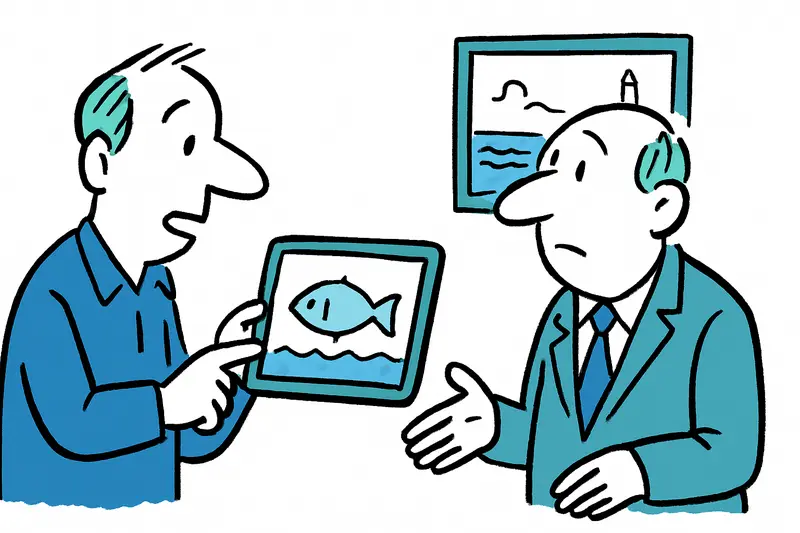
Portocolom smells of sea, espresso and resin from boat oars in the morning. In the small bay, where tourists stroll along the quay and fishermen mend their nets, a trial is underway that differs from typical conservation projects: visible, traceable, transferable. The Cleanwave Foundation has launched a digital platform here called A Window Into the Sea, with which marine protection can literally be divided into blocks – companies or individuals can buy a block and then follow online what impact their support achieves.
The idea is simple and still new for this region: those who invest receive a certificate and access to data and updates. On the ground this means habitats are surveyed, stress factors are reduced, and where ecologically sensible, seagrass meadows and macroalgae are reintroduced. Everything is coordinated with scientists; according to Cleanwave, the project is the first of its kind in the Mediterranean to undergo independent scientific evaluation.
It is remarkable how such an initiative becomes part of everyday life. On the Passeig by the harbor older women sit with shopping baskets, children chase seagulls, and nearby divers (see 'What Lies Beneath Mallorca's Coast: Trash Slipping Out of Sight') carefully attach new seagrass seedlings to rocks. Companies like Universal Beach Hotels are already supporters – for them this is less a PR move than a concrete contribution to the bay's future. Cleanwave, represented by environmental economist Lucian Fernandez Slade, describes the system as a practical link between funders, science and local conservation: investments are routed directly to protection measures and Digital Eyes on Mallorca's Beaches: Protection or Surveillance?.
Why this is good for Mallorca can be demonstrated in several points: first, transparency builds trust. Those who can see a planted Posidonia meadow grow are more likely to continue. Second, coastal communities benefit: stable seagrass beds improve water quality, protect against erosion and sustain fish and shellfish – resources on which both fisheries and low-impact tourism depend. Third, the model can channel private funds efficiently into locally needed measures, instead of relying on opaque donation flows.
Of course it is not a cure-all. Success depends on long-term monitoring, suitable planting methods and cooperation with local authorities. What stands out in Portocolom, however, is the pragmatic tone: rather than grand promises, small measurable steps are taken. On the plaza in front of the harbor (Portocolom renews its harbor: Between tradition and rooftop promenade) locals now speak openly about the project; a few bars have placed information cards, and the divers who care for the plants are grateful for every extra helping hand.
Looking ahead, if such digital sponsorships catch on nationwide, Mallorca's coastal sections could become a network of well-documented protected areas. That would be a gain not only for nature but also for the people who live and work here. An invitation to local entrepreneurs, to divers, to tourism operators to take a closer look and join in.
A small call to action
Anyone standing on the quay in Portocolom listening to the waves quickly understands why such ideas grow. Transparency makes commitment tangible. And if you happen to run a company or simply want to contribute: take a look at what a block in the sea can look like. Sometimes a small effort is enough to set something big in motion.
Frequently asked questions
When is the best time to visit Mallorca for warm weather and swimming?
What should I pack for a trip to Mallorca?
Can you swim in the sea in Mallorca year-round?
Is Mallorca windy, and does it affect beach plans?
What is Es Trenc in Mallorca known for?
What is special about Cala Mondragó in Mallorca?
Why do people visit Colònia de Sant Jordi in Mallorca?
Is Mallorca a good destination for a beach holiday?
Similar News
The Painter Who Lived Mallorca: Franz Taussig and His Century-Old Secret
A hundred years ago a young Viennese arrived in El Terreno, sketched the island and called himself Francis Caron. Today ...

Airport dispute: Bridge, forecasts and the question of responsibility
A video by the Spanish transport minister has ignited the dispute over DORA figures, capacities and local governance pow...

The Painter Who Invented Himself: How a Young Viennese Drew Mallorca
A hundred years ago a 19-year-old draftsman arrived in El Terreno. His diary and sheets, long known under the pseudonym ...

Released with Conditions: The Plus Ultra Suspicion and a Mallorcan Finca as Residence
A Dutch entrepreneur, sought in connection with the Plus Ultra case, was extradited to Spain after his arrest in Germany...

Haute Nuit in Puerto Portals: Fashion, Art and Indulgence by the Water
On October 2 the Lobster Club in Puerto Portals will be transformed into a stage for curated fashion, art and culinary e...
More to explore
Discover more interesting content

Can Cap de Bou

Townhouse Lleo 72
