
Quad accident shuts down Sóller Tunnel — traffic chaos on Saturday afternoon
Quad accident shuts down Sóller Tunnel — traffic chaos on Saturday afternoon
An overturned quad carrying two young people caused the Sóller Tunnel to be closed on Saturday afternoon. Hours-long traffic jams, detours over the Coll de Sóller and a lightly injured passenger were the result. Time for a reality check: How safe are quads on Mallorca's roads?
Quad accident shuts down Sóller Tunnel — traffic chaos on Saturday afternoon
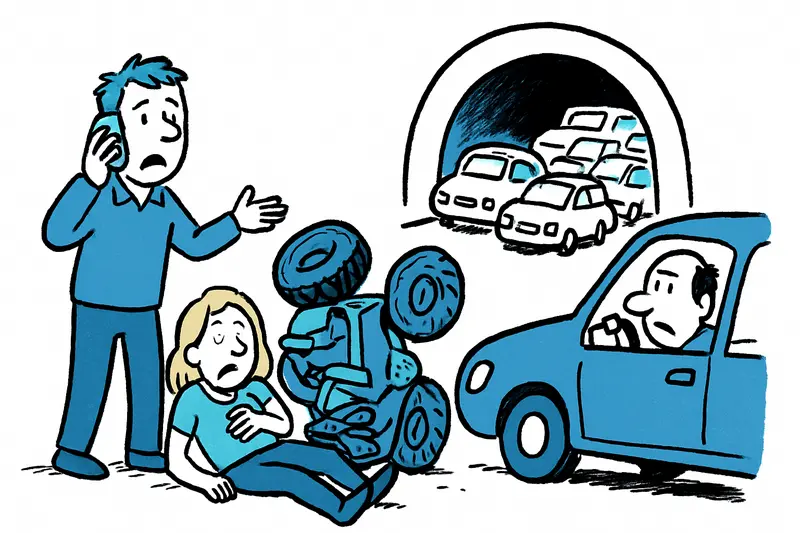
On Saturday afternoon at around 3:30 pm a quad tipped over in the Sóller Tunnel and blocked the bore. Two young people were on the vehicle; the passenger sustained minor injuries and received medical treatment on site. A car was also involved in the scene, but according to emergency personnel there was no direct collision between the two vehicles. The tunnel access was completely closed; it was not until 5:10 pm that both lanes were passable again — in the meantime vehicles heading toward Port de Sóller backed up, many residents had to wait a long time, and numerous drivers chose the detour via the Coll de Sóller.
Key question
How can a single quad accident at a major junction on the island so quickly paralyze large parts of the traffic system — and what responsibility do rental companies, drivers and authorities bear?
Critical analysis
The underlying problem is complex: the tunnel stretch is a bottleneck; at a critical point a single overturned vehicle is enough to block both directions completely. That a quad clips the right edge of the carriageway and tips over may sound at first like an unfortunate driving error. But quads handle differently than cars: according to HSE guidance on quad bike safety, they have a higher center of gravity and react more sensitively during evasive maneuvers. When inexperience is added — tourists who book an adventure without much driving practice — such scenarios arise. Also relevant is the decision to close the tunnel completely. Safety comes first, of course. But a coordinated diversion strategy and fast cleanup management are often missing in practice, so that backups extend over hours.
What is missing in the public discourse
Beyond accident reports, there is rarely discussion about how many quads are actually on narrow roads daily, under what conditions they are rented out and whether mandatory on-site briefings exist (see the Quad accident in Andratx). Equally little is said about technical minimum standards — tire tread, lighting, securing loads. Also rarely discussed are the role of rest periods in operational coordination, the possibility of temporary one-lane releases or a rapid clearance team.
Scene from everyday life
Anyone standing that afternoon on the Passeig in Sóller heard the unmistakable hum of motorcycles, the distant calling of chestnut sellers and the constant chirping of cicadas. People gathered in the alleys, checked their phones, and muttered about delayed deliveries. The queue at an ice cream shop grew longer because drivers did not return from the tunnel. An older man waved with a shopping bag, spoke of missed appointments and a doctor's visit in Palma; on the mountain road three cars turned around because holidaymakers got lost — small scenes, big impacts.
Concrete solutions
1) Tighten rules for rental quads: mandatory short briefing, safety equipment and minimum age or license requirements. 2) Strengthen technical checks: regular inspections of fleets by local authorities or accredited workshops. 3) Emergency planning for tunnels: established protocols that allow faster temporary one-lane releases or prioritized clearance teams; provisional lay-bys outside sensitive bottlenecks. 4) Information systems: real-time information for drivers (radio stations, municipal networks, social media channels) to avoid unnecessary diversion movements over the Coll de Sóller. 5) Awareness: providers must inform guests about risks on narrow, winding roads; group tours with a guide could become mandatory.
Who must act?
Rental companies, local administration and the Guardia Civil have different responsibilities, but a shared interest: safety and fluid traffic. The municipality of Sóller cannot enforce all rules alone, but it can organize checks and introduce information obligations. Traffic authorities should run through scenarios with rescue services to shorten response times.
Pointed conclusion
An overturned quad was enough for many people to lose hours, feel frustrated and — in the worst case — suffer health consequences that Saturday. This is not a single slip-up but an indication of gaps in the interplay between tourism offerings, traffic infrastructure and emergency management. Anyone who wants to live on or vacation in Mallorca needs comprehensible rules, better controls and clear procedures, as recent local reporting such as the Serious Traffic Saturday report shows. Otherwise the spectacle repeats itself: horns, traffic jams, an island brought to a standstill at a single point.
Frequently asked questions
What happened in the Sóller Tunnel that caused traffic chaos on Mallorca?
Why can a single quad crash block tunnel traffic on Mallorca?
Who is responsible for quad safety rules on Mallorca?
What concrete steps were suggested to prevent quad incidents on Mallorca?
How do tunnel closures and detours affect travel plans in Mallorca?
What safety considerations should quad riders know about Mallorca's winding roads?
What does a traffic incident in Sóller reveal about daily life on Mallorca during peak season?
Where can drivers get real-time traffic information during Mallorca incidents?
Similar News
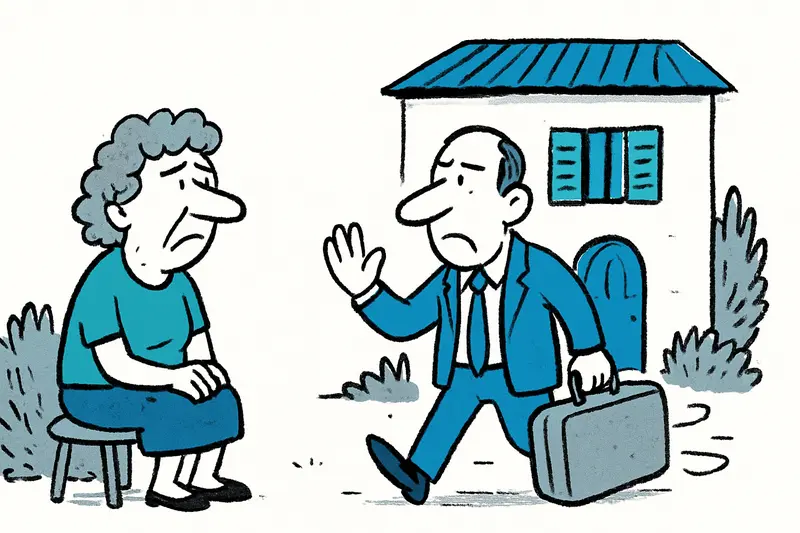
Released with Conditions: The Plus Ultra Suspicion and a Mallorcan Finca as Residence
A Dutch entrepreneur, sought in connection with the Plus Ultra case, was extradited to Spain after his arrest in Germany...

Haute Nuit in Puerto Portals: Fashion, Art and Indulgence by the Water
On October 2 the Lobster Club in Puerto Portals will be transformed into a stage for curated fashion, art and culinary e...
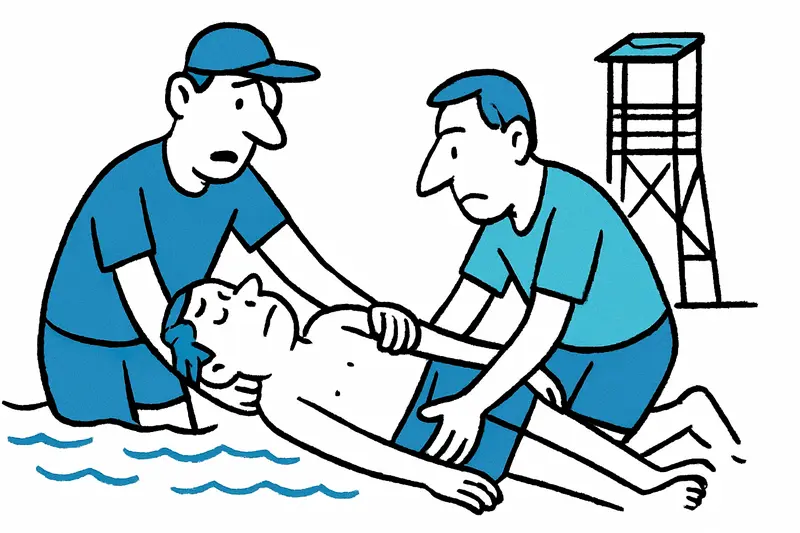
Magaluf: Watchtower Alarm – Lifeguards Pull Unconscious Beachgoer from the Water
After a drama in the late afternoon, two lifeguards at Magaluf beach rescued an unconscious 44-year-old man. He was stab...
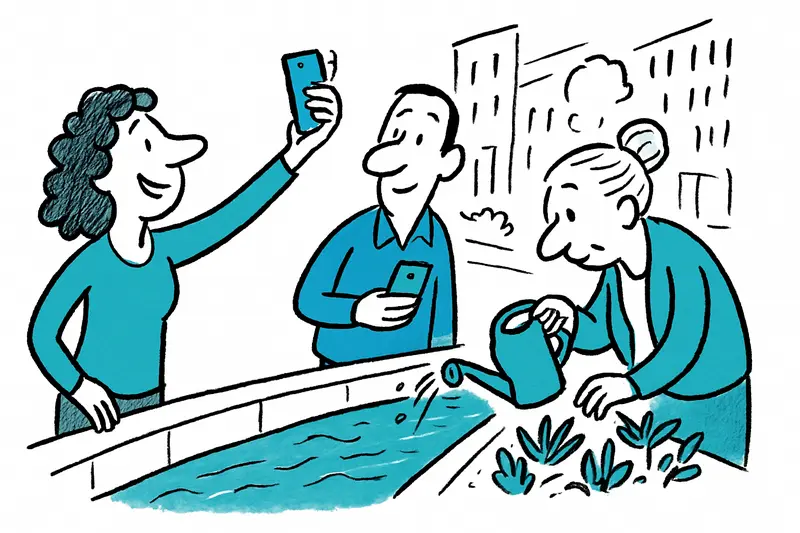
Turquoise in the City: How dangerous is the color play of the Sa Riera?
The Sa Riera in Palma suddenly turned turquoise — a pretty motif, but behind the effect lies a discharge of saline waste...

Jeckliner at Sunnesching: Cologne spirit sets sail from Palma
In September 2027 the Mein Schiff 2 briefly becomes a floating carnival stage: four days with Cologne bands, comedy and ...
More to explore
Discover more interesting content

Can Cap de Bou

Townhouse Lleo 72
