
Quad accident in Andratx: A conflict between tourism and everyday life
A rented quad collided with a parked car, injuring a US tourist. The incident raises questions about safety, regulation of quad tours and the burdens placed on residents in Andratx.
Collision on Carrer de Pedro Pujol: A loud bang, then silence
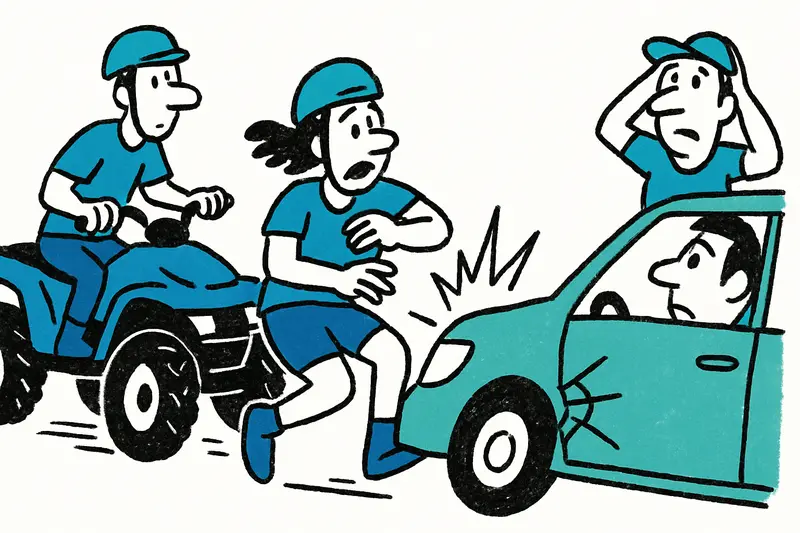
On Friday afternoon, when the sun still warmed the paving stones of Carrer de Pedro Pujol and the scent of pines and fried tapas drifted through the alleys, a loud bang broke the otherwise relaxed soundscape. A rented quad crashed into a car parked at the side of the road. A young tourist from the United States complained of arm pain but later refused treatment. The car had a clear dent, passersby gathered, shook their heads and went on to the weekly market.
The central question: How safe are rental quads really?
The incident is symptomatic: quad tours have been part of the landscape here for years — especially in the Serra de Tramuntana and the picturesque coastal towns like Andratx. But how well trained are drivers, how rigorously does the police monitor speed, and how much should residential areas be burdened by excursion traffic? These are not only questions for administrators but for people who live here: cafes, market stalls, playing children.
What is often overlooked
Public debate usually focuses on the individual case: who pays for the damage, is the tourist insured? Less noticed are structural aspects: the responsibility of rental companies, liability rules for rented quads, the role of geofencing techniques or the use of speed limiters. Seasonal effects also play a part — at the end of the season many excursion groups are on the road, often with little driving experience and tight schedules.
An often underestimated factor is the social tolerance of residents. In small towns like Andratx frustration about noise and insecurity accumulates slowly, in conversations on the plaza, at the baker and at the weekly market. A resident put it matter-of-factly: 'The vehicles often drive very fast here, and the drivers are not always experienced.' This is not polemics, this is everyday life.
Specific problems at a glance
- Unclear responsibilities between renters and rental companies.
- Insufficient or too short briefings before departure.
- Missing technical measures such as speed limiters or mandatory helmets and protective gear.
- Low frequency of police checks in residential areas.
- Noise and safety burdens for residents, especially on narrow streets.
Guidance instead of blame: Measures that could help
The situation requires pragmatic solutions, not just bans. Some proposals that could work locally:
1. Mandatory briefing: A compulsory, short training at the rental station — with practical instruction, emergency procedures and clear liability information. a simple yes/no protocol, signed, is worth more than warm words.
2. Technical limits: Speed restrictions through simple electronics or geofencing that automatically slow quads in residential areas. Not a high-tech miracle, but effective.
3. Approved routes: Designated tours that avoid sensitive residential zones. These routes could also be designed as 'sightseeing loops' — better for tourists, quieter for residents.
4. Stricter controls and fines: Increased police presence at peak times and clearly visible sanctions for repeat offences. It costs, but reduces accidents and conflict.
5. Strengthen the responsibility of rental companies: Small rental businesses must be included in liability and training requirements. A licensing requirement with regular inspections would be an option.
Why it's worth it for Mallorca
Tourism is economically important — nobody argues with that. But vacation and quality of life do not have to exclude each other. Fewer accidents, less noise and clearer rules strengthen the image in the long term: satisfied guests, more relaxed residents, fewer legal disputes. A bit more structure therefore brings peace to the plaza and simultaneously protects lives.
What happens now
The local police of Andratx have filed an accident report and are checking whether it was a guided tour or a private group. Residents hope that the discussion about temporary routes, checks and rental obligations will not fall silent again after the next incident. Until then the familiar murmur of the market remains, occasionally broken by the whir of a quad — for some city music, for others an annoying beat.
The investigations are ongoing; the municipality and rental companies are now expected to turn a loud bang into lasting solutions.
Frequently asked questions
Are rental quads safe to use on Mallorca?
What should I know before renting a quad in Mallorca?
Why are quad tours controversial in Mallorca towns like Andratx?
What happens if a rented quad crashes into a parked car in Mallorca?
Are there restrictions on where quads can drive in Mallorca?
Do tourists need a special briefing before driving a quad in Mallorca?
Is Andratx a common area for quad tours in Mallorca?
What could reduce quad accidents in Mallorca?
Similar News

Illetas: Police Officer and Two Lifeguards Rescue Two Female Tourists from the Sea
Late on Friday afternoon emergency responders entered the water off the coast of Illetas: a local police officer and two...
Inca: Severely injured female dog found in garbage bags in a container – who has seen anything?
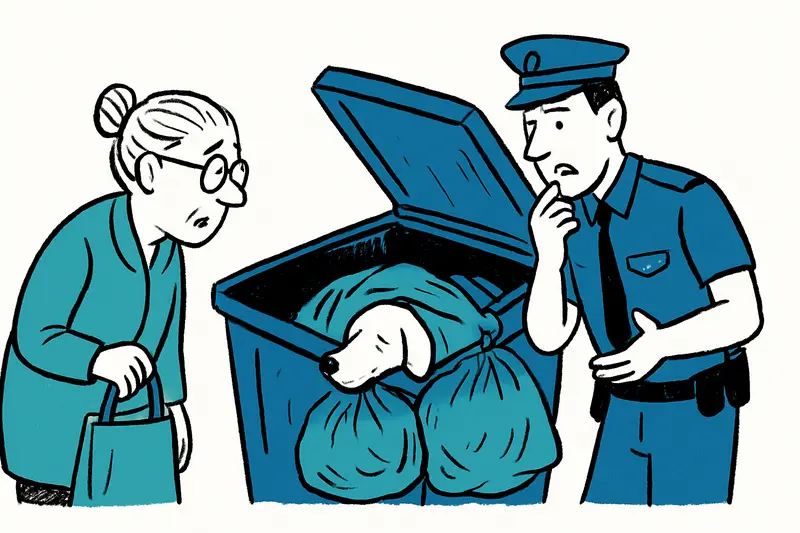
In Inca, a severely injured female dog was discovered wrapped in two garbage bags inside a container on Avenida Rei Jaum...

Pre-Nit de l’Art in Palma: Champagne, Spray Can and Studio Flash in the Old Town
Red carpets, a photographers' stand and live performance: the Pre‑Nit de l’Art filled Galerie Mensing with around 400 gu...
Failed before the first flight: How Fischer Air's plans for Palma were ground down
Announced routes, repeated postponements and now apparent insolvency: Why the Fischer Air project for Mallorca is not me...
Seconds in the Water: 19-year-old Fights Her Way Out of Flooded Car in Palma
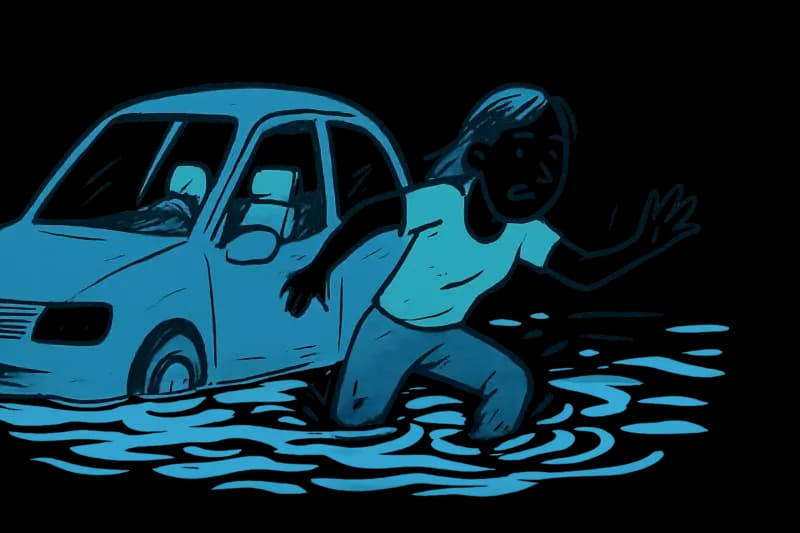
A 19-year-old managed to rescue herself from her half-submerged car after sliding under the Verge de Lluc underpass. Res...
More to explore
Discover more interesting content

Can Cap de Bou

Townhouse Lleo 72
