
Turquoise in the City: How dangerous is the color play of the Sa Riera?
The Sa Riera in Palma suddenly turned turquoise — a pretty motif, but behind the effect lies a discharge of saline wastewater, algal residues and high temperatures. What do we really know about risks and controls?
Turquoise in the City: How dangerous is the color play of the Sa Riera?
Leading question: How risky is the suddenly turquoise-colored water in Palma's Sa Riera really — and do residents and visitors know enough about the origin, consequences and control of this phenomenon?
The image that remained
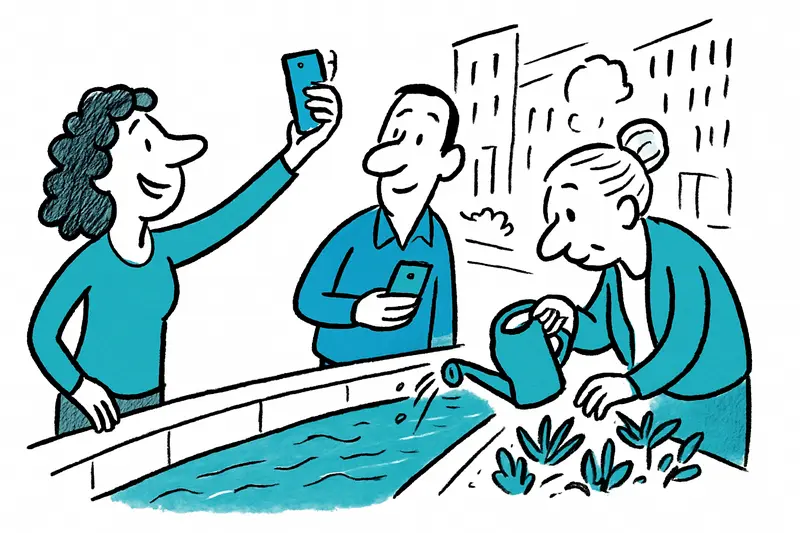
In the morning pedestrians stopped in front of the planted channel near Jaume III, took out phones, laughed, took selfies with the unusual blue. The sound of rolling suitcases and the smell of espresso mixed with the soft trickle of the stream. For many it was an Instagram moment; for others a strange sign: Why does a city-adjacent stream suddenly glow turquoise?
What happened — short and concise
The color effect occurs here more often, according to previous indications: Usually maintenance work on the stream bed takes place first, which is dried out and cleaned. Afterwards saline residual water from the Son Tugores treatment plant reaches the Sa Riera. Salt content, remnants of algae in the stream bed and the recently high temperatures are named as the main factors for the pale blue-murky coloration. According to the responsible authorities, the discharged water contains no chemical additives and is harmless to the sea and the environment.
Critical analysis: Why the explanation is not sufficient
It is not the colors that make people suspicious, but the questions that remain open. First: 'no chemical additives' is not a complete picture of water quality. Saline wastewater changes conductivity and ion composition — this can be problematic for freshwater plants and small animals. Second: algal residues and warmth promote biochemical processes; when organic material decomposes, oxygen levels drop. In the short term the visual change may seem harmless; in the long term repeated discharges can have cumulative effects on flora and fauna.
What is missing from the public debate
The discussion often revolves around the photo: 'Looks beautiful' versus 'Is it harmful?'. Little space is given to: a) how often such discharges actually occur, b) which measurements (salt, oxygen, nutrients, heavy metals) are taken before and after discharge, a concern echoed in Can you still safely swim in the sea around Mallorca? A look at water quality in 2025 and c) what effects repeated discharges can have on urban vegetation, urban groundwater bodies and coastal areas. For tourist highlights like the surroundings of Jaume III the debate tends to focus on image issues; ecological controls fall by the wayside.
Everyday scene and local consequences
I stood yesterday at midday by the railing of the Sa Riera: a vendor folded newspapers, an older woman watered flowers in a planter, a scooter rattled down Carrer de Sant Miquel. These small everyday scenes depend on water quality. If plants on the riverbanks die due to increased salt content, that is not only an ecological loss but also a visible impoverishment in the city center: less shade, more dust, lower quality of life for residents and shopkeepers.
Concrete approaches to solutions
1) Full transparency: operators and administration must publish regular measurement data — salt content, oxygen, nitrate/phosphate, conductivity and temperature before and after discharges, as in Binissalem modernizes wastewater treatment plant - between nature conservation and tourism tax. 2) Early warning system: residents should be informed about planned discharges; signs at Jaume III and at the entrances to the Sa Riera would be a simple step. 3) Technical measures: retention basins or dilution buffers between the treatment plant and the stream could absorb peaks, as tested with pumps in other municipalities: Pumps Against the Algae Plague: A Test, Many Questions in Sant Elm. In the long term reducing discharged saline water by retrofitting the plant should be considered (Palma examines desalination: Does the city need its own seawater plant?). 4) Monitoring by third parties: independent checks by environmental organizations or scientific teams (e.g. local university groups) build trust. 5) Citizen participation and documentation: simple citizen-science kits for schools and neighborhoods to document sightings and water samples.
What to do in the short term
The municipality should promptly publish the most recent measurement protocols and clearly state which substances were discharged and in what amounts. At the same time, information signs can turn tourists' curiosity into information: explanatory boards at the stream could make the origin and significance of the phenomenon transparent instead of treating it merely as a curious attraction.
Concise conclusion
Yes, the turquoise water evokes a momentary longing for Caribbean images — it's a gift for the phone. But pretty colors alone do not replace data. Those who value the Sa Riera as an urban habitat should want to know more than just the photo: How often, how much, with what? The city administration, the operators and civil society are now called upon to ask the long-term questions and make the journey from a pretty moment to responsible maintenance visible.
Frequently asked questions
What causes the turquoise color in Palma's Sa Riera stream, and is it safe for the ocean and biodiversity?
How often do turquoise discharges occur at Sa Riera, and what measurements are used to assess them?
What concrete steps should Mallorca authorities take to improve transparency and safety around Sa Riera discharges?
Could repeated turquoise discharges affect Palma’s urban green spaces and water resources?
What practical steps can residents take to stay informed when a discharge is planned or happening near Sa Riera?
For visitors to Mallorca, how should you interpret the turquoise water in the city’s streams like Sa Riera?
Why isn’t the claim of 'no chemical additives' enough to assure water quality in Sa Riera?
How can locals help monitor Sa Riera’s water and support better decisions?
Similar News

Jeckliner at Sunnesching: Cologne spirit sets sail from Palma
In September 2027 the Mein Schiff 2 briefly becomes a floating carnival stage: four days with Cologne bands, comedy and ...
Finally Home: Mike and Leyla Heiter Buy Villa with Sea View in Mallorca
The reality TV couple Mike and Leyla Heiter have bought a house in Mallorca with a roof terrace and sea view. An Instagr...

Arrest after series in Palma: Who protects apartments from repeat offenders?
The National Police arrested a man in Palma who investigators say may have broken into several apartments. In one incide...

How a Teenager Without a Driver's License Stole a Rental Car — and What It Means for El Arenal
In El Arenal a minor took advantage of an unattended rental car with its engine running. Flight, climbing over walls and...
Three-ton llaut salvaged in Puerto Portals – volunteers clear microplastics from the harbor
During the weekend operation in Puerto Portals, divers pulled an approximately three-ton llaut from the harbor. Associat...
More to explore
Discover more interesting content

Can Cap de Bou

Townhouse Lleo 72
