
Magaluf: Watchtower Alarm – Lifeguards Pull Unconscious Beachgoer from the Water
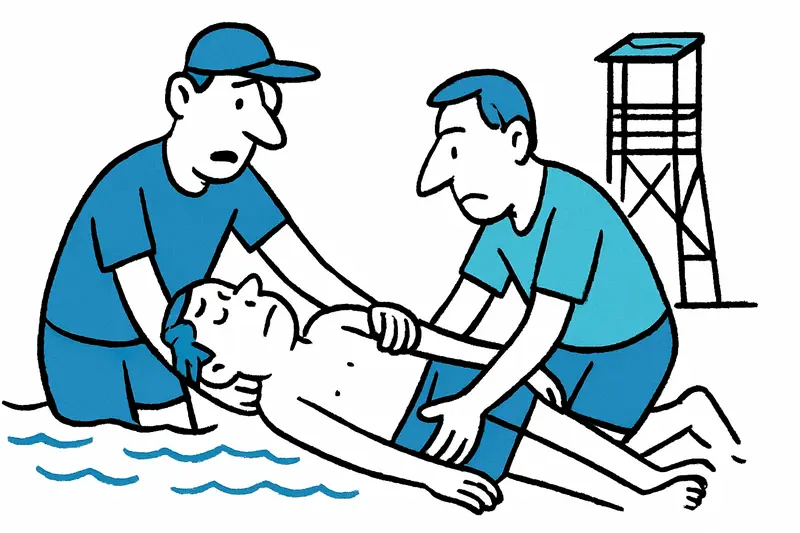
After a drama in the late afternoon, two lifeguards at Magaluf beach rescued an unconscious 44-year-old man. He was stabilized and taken to a clinic.
Magaluf: Watchtower Alarm – Lifeguards Pull Unconscious Beachgoer from the Water
A quiet late afternoon, a quick response and a good outcome
It was around five in the afternoon, the sun still strong, and on the Magaluf promenade you could hear the occasional rush of the waves, children laughing and the clatter of beach chairs. On the sandy shoreline, not far from the umbrellas and the small chiringuitos (beach bars), a movement was noticed from the lifeguard watchtower: a swimmer lay motionless in the water. What at first looked like an ordinary bathing accident could have ended much worse without the swift intervention.
The Calvià coastguard team reacted immediately. A guard in the tower watched the man a few meters from the shore, alerted colleagues by radio and ran onto the sand. Together they reached the 44-year-old bather, who had recently fallen unconscious. The team quickly pulled him onto dry land, began initial checks and stabilization, and tried to calm him down – all routine but carried out with the calm needed in such moments.
Eyewitnesses report that the man, a holidaymaker from the Czech Republic, was barely responsive at first. After a few minutes he began breathing more regularly. At the same time the rescuers called the emergency number 061; shortly afterwards an ambulance with an advanced care team arrived. Paramedics took over the care, carried out further examinations and as a precaution transported the man to a private clinic where he received additional treatment. At the time of departure he was not in immediate life-threatening danger.
It was noted that the rescued person is on the autism spectrum. Such information can help in operations, since some people may react differently or need particular support. The lifeguards on the beach worked respectfully and composedly – small gestures like speaking slowly or explaining what is happening can make a big difference in these situations.
What matters here is the functioning chain: observation from the watchtower, quick radio alert, rapid water rescue and handover to the emergency services. This chain does not work by itself; it depends on training, routine and the experience of the teams who watch over Mallorca’s beaches during the summer. Concerns about resources and protection have been raised in coverage such as Critical Bathing Incident at Arenal: Call for Better Protective Measures.
Many locals and visitors hardly notice the small watchtowers until a moment like this occurs. Then you realise how important that presence is, a point echoed by Lifeguards stage protest at Can Pere Antoni — a wake-up call for Mallorca's beaches.
On the island's everyday life this is another sign of reliability: not a spectacular heroics, but professional action. The promenade smelled of fried fish, some spectators clapped in relief on the shore, and someone was playing a quiet guitar somewhere – life went on, but with a renewed appreciation for the people who work on our beaches.
As a Mallorcan, the scene remains a reason for gratitude. This rescue is an example of how well prepared we can be. It is also a small wake-up call: those who swim in the sea should pay attention to the flags, stay as close to the watchtowers as possible and follow the rescuers' instructions. For people with special needs it helps to carry visible medical information, inform a companion or briefly talk to beach staff if unsure.
Tuesday's rescue shows that routine and humanity can come together. Similar incidents, like Near-drowning in Cala Vinyes: Rescue raises questions about beach safety, underline the value of preparedness. The island has its protective layer: trained teams, the equipment that supports them, and a community that stays alert. This is not a grandiose act of heroism, rather everyday work that functions – and precisely for that reason it is important. Thanks to the lifeguards from Calvià; may such operations remain the exception, but if needed, be well prepared. We wish the rescued man a calm recovery and hope to see him healthy on the beach again soon.
Frequently asked questions
How do lifeguards coordinate a rescue on Mallorca's beaches?
What should I do if I see someone unconscious while swimming on a Mallorca beach?
Why are watchtowers and lifeguards so important on Mallorca’s beaches?
How should families prepare at the beach if a member is on the autism spectrum?
What practical safety steps should I follow on Mallorca’s beaches?
What were the main elements of the Magaluf rescue operation?
How does Mallorca balance routine safety work with beachgoer enjoyment?
What lessons can visitors take away from the Magaluf incident about preparedness?
Similar News
After a series of car break-ins at Torre des Verger: Four arrests — and many unanswered questions
After weeks of thefts at a popular parking area near Banyalbufar, four suspects were arrested. How safe are parking area...
Why Spain's housing crisis is driving snap elections — and what Palma must learn
The evacuation of an 87-year-old, failed rent decrees and tent camps in Palma: the housing crisis has escalated national...

Autumn Holidays Begin: Why Suitcases Are Disappearing Again in Mallorca
Just in time for the autumn holidays, lost suitcases are piling up at Palma airport. Who is to blame — the weather, tigh...

Season Opening at the Auditorium: Elgar, Strauss and an Evening for Listening
On October 8 the Orquestra Simfònica de les Illes Balears brings two musical extremes together in Palma: Elgar's intimat...

Ca’n Garrit in Calvià – A Tavern Breathing Since 1905
In the middle of Calvià’s Carrer Mayor 45 stands an establishment that combines tradition and fresh craftsmanship: Ca’n ...
More to explore
Discover more interesting content

Can Cap de Bou

Townhouse Lleo 72
