
Na Burguesa: Rubbish at the Viewpoint Raises Questions About Upkeep
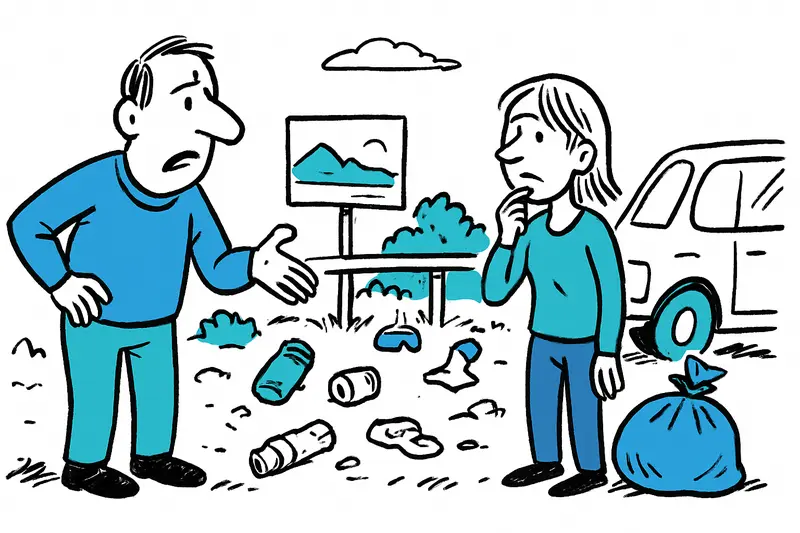
Rubbish is piling up by the car park and on the embankment at the Na Burguesa viewpoint above Palma. The condition affects more than the panorama; it also raises a basic question: who is responsible for keeping places like this clean?
Na Burguesa: Rubbish at the Viewpoint Raises Questions About Upkeep
The view from Na Burguesa stretches across Palma and the bay. That is precisely why the spot above the city attracts people out walking, running or cycling. But these days, visitors who stop for a look over the rooftops and harbour notice something else, too: rubbish by the car park and on the embankment, including bottles, packaging and rubbish bags. Litter can also be found elsewhere around the site.
This is not a minor eyesore on the edge of a beautiful destination for an outing. A full bag that splits open can scatter its contents with the next gust of wind; a bottle does not stay neatly where it was thrown. And anyone who visits the viewpoint regularly sees the contrast especially clearly: plenty of sky, plenty of city—and rubbish in between that does not belong here.
A popular spot, but upkeep does not happen by itself
Na Burguesa is not an enclosed park with an entrance and set visiting hours. It lies in the landscape above Palma and is used at different times of day. More visitors arrive at weekends and at night. Where people stop, eat or drink, rubbish is generated. That explains how litter can accumulate in a remote spot. It does not excuse leaving it behind.
Getting there is not especially easy, either: sections of the road have a poor asphalt surface. There is also a building nearby that looks like an abandoned restaurant. Factors like these change how a place feels. If the journey is difficult and the area appears neglected, it is easy to get the impression that nobody is responsible. The condition of the site alone, however, does not tell us whether that impression reflects the actual division of responsibility.
People from Génova and the surrounding area have complained about the state of the site repeatedly. This is understandable: for local residents, Na Burguesa is not just a photo spot they visit once on holiday. It is part of their everyday surroundings. An evening with bottles left behind or an embankment covered in packaging is not a distant landscape scene for them, but a recurring source of frustration.
The unanswered question: who takes care of it—and how often?
Debates about litter often turn immediately to people’s behaviour. Of course, much starts with each individual: whatever you bring up with you, you should take back down. But personal responsibility is not enough when the same place is repeatedly left dirty. How often is it cleaned? Are there suitable bins, and are they emptied? Who reports larger piles of rubbish, and to whom? Concrete answers to these questions are often missing from the public picture.
Without that information, the discussion gets stuck in two convenient corners: some blame inconsiderate visitors, while others expect cleaning to solve everything. Both views fall short. An overflowing bin helps no one. Neither does cleaning that happens only occasionally. And inspections alone cannot turn a viewpoint into a well-maintained place if clear responsibilities and reliable waste collection are lacking.
It is a familiar little scene at many places to visit in Mallorca: someone parks, gets out, pulls their jacket tighter against the wind and walks a few steps to take in the view across the bay. On the way back, there is an empty bottle beside the car park. It would fit in a backpack, but it is left behind. The next person sees it; perhaps a wrapper joins it. It is a trivial thing—and that is exactly why it cannot be fixed with a big sign or a one-off clean-up.
Practical changes that could make a difference
A first step would be regular, visible cleaning at the busiest spots: the car park, the embankment and the access paths. This should follow a clear schedule that can be adjusted for weekends and after nights with heavier use. It is just as important to communicate openly which department is responsible for reports and how quickly larger piles of rubbish will be removed.
Waste arrangements should also suit the site. Where a bin can be placed sensibly, it needs to be sturdy and emptied reliably. Where that is not practical, clearly visible signs can remind visitors to take their rubbish with them—briefly and without lecturing. Illegal dumping requires an accessible way to report it and, where warranted, targeted inspections. Damaged sections of road should also be added to the municipal to-do list. A better road will not solve the litter problem, but upkeep should not stop at the edge of the asphalt.
Na Burguesa does not need to become a pristine observation terrace. It is a place in the landscape, with the usual traces of a popular destination. But bottles, bags and packaging are not an inevitable part of the scenery. If Palma wants to preserve this viewpoint, it needs both visitors who take their rubbish back with them and a clear, lasting approach to maintenance. Otherwise, the view across the bay will remain beautiful while the place below tells a very different story.
Frequently asked questions
What can you see from the Na Burguesa viewpoint in Mallorca?
Can you walk, run or cycle around Na Burguesa?
What is the road to Na Burguesa like?
Is Na Burguesa busier at weekends or at night?
What should I do with rubbish on an outdoor trip in Mallorca?
Why does litter build up at popular viewpoints in Mallorca?
How can Mallorca keep popular outdoor places clean?
Are bins enough to prevent litter in Mallorca’s outdoor areas?
Similar News

Illnesses on Condor Flights: What Cannot Be Concluded from a Suspected Cause
Following an illness on Condor flights from the Caribbean, norovirus has been mentioned as a possible cause. But a suspi...
Vallgornera: Natural Heritage Beneath an Abandoned Hotel Site
Near Llucmajor, the weathered remains of a hotel stand above a fragile cave system. The real question is not how to turn...

Germania step up after the break – Müller goes from coach to goalscorer
After a sluggish first half, FC Germania Mallorca beat Santa Ponça 5–0. Interim coach Bastian Müller brought himself on,...

Autumn in Twelve Courses: A Long Lunch at Olivo in Deià
At the Olivo restaurant in Hotel La Residencia, the autumn menu “Sabors de Tardor” was served: twelve small courses, Mal...
Paolo Bulgari Has Died: What His Death Means for the Store on the Borne
Italian entrepreneur Paolo Bulgari has died at the age of 89. His name is part of the history of the brand, but the news...
More to explore
Discover more interesting content

Can Cap de Bou

Townhouse Lleo 72
