
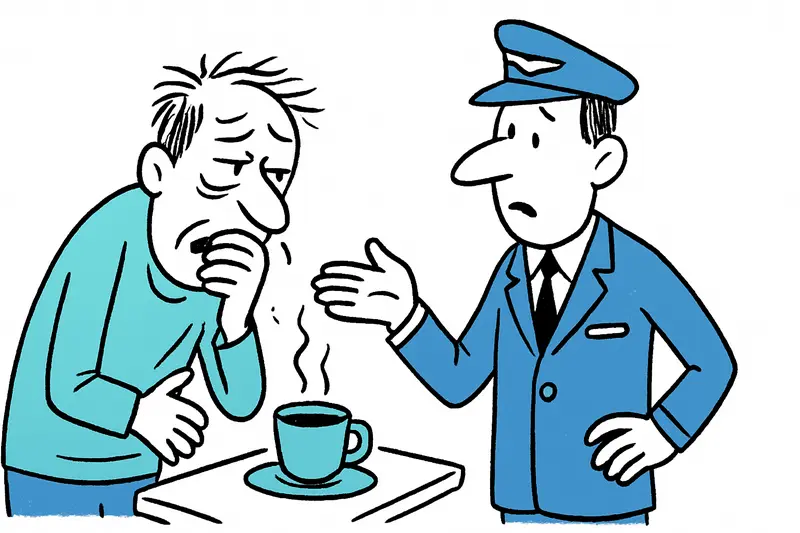
Illnesses on Condor Flights: What Cannot Be Concluded from a Suspected Cause
Following an illness on Condor flights from the Caribbean, norovirus has been mentioned as a possible cause. But a suspicion is not a diagnosis—and that distinction matters to travellers.
Illnesses on Condor Flights: What Cannot Be Concluded from a Suspected Cause
When people suddenly fall ill during a flight, the headline is easy to write. The harder question is: what do we actually know, and what is only a possible explanation for now? In an incident on Condor flights from the Caribbean, a norovirus infection has been cited as a suspicion. That does not establish a confirmed cause.
It may sound like a minor distinction in wording. It is not. Especially when contagious diseases are involved, premature claims can alarm travellers, stigmatise those affected and make it harder to find the real cause. Nausea and vomiting can have various causes. The fact that several people feel ill is not enough to identify norovirus. That requires medical assessment and, if experts consider it necessary, appropriate tests.
What a suspicion can—and cannot—tell us
A suspicion can help inform precautionary measures. But it is not proof of where or when someone was infected. A trip with several stops involves many possible contacts and eating situations: a hotel, ship, excursion, airport or aircraft. Attributing an illness to a particular stop before the investigation is complete turns an open question into apparent certainty.
The mention of a cruise as a possible connection should not be read as an explanation either. It is one possibility among several, nothing more. For a reliable assessment, factors including the timeline, the onset of symptoms and medical findings would need to align. Such details are usually not available to the public. And where they concern individual travellers, they should not be disclosed publicly without careful consideration.
Public debate often focuses on the number of people who fell ill and the dramatic moment on board. Less visible are the questions that really matter to travellers: How were those who fell ill cared for? What information were the other passengers given? Were people who developed symptoms later given guidance? And who is coordinating contact tracing if a common source is confirmed? Without answers to these questions, the picture remains incomplete—even when a figure sounds particularly striking.
On Mallorca, the journey often begins the night before
Many people on the island know the routine: suitcase in the hallway, alarm set for before sunrise, and a last-minute attempt to pack water and something for breakfast. At Palma Airport, families stand with tired children, business travellers clutch paper cups of coffee and holidaymakers mentally recalculate their connecting flights for the third time. When news breaks of an illness on a long-haul trip, it can quickly prompt the question: could this affect my flight too?
A single report does not support a reliable conclusion about the general risk on Condor flights or the hygiene standards on board. Nor does it show that a tour group, ship or particular meal was responsible. The fair answer is less dramatic: the cause needs to be investigated; until then, it remains unknown. Anyone with symptoms should seek medical advice rather than turn a suspicion into a diagnosis.
More clarity, less alarm
In situations like this, airlines and the relevant authorities can help most by communicating clearly. That means separating confirmed information from speculation, providing understandable guidance to affected travellers and making sure there is a contact person available after landing. If the situation changes, updates should be shared promptly—without disclosing individual passengers’ health information. It should also be clear who people can contact if symptoms develop later.
For travellers: seek medical help if symptoms are severe or persistent, and take particular care to wash your hands if an infection is possible. Noroviruses can spread easily; hand sanitiser is not a reliable substitute for thorough washing with soap and water. This is general advice, not an indication that infection has been confirmed in this particular case.
An illness during a flight is serious enough without adding premature alarm. The priority is not to find someone to blame as quickly as possible, but to provide reliable information, good care and a transparent investigation. Until the cause is established, a suspicion is exactly that: a suspicion—not an answer.
Frequently asked questions
Was norovirus confirmed after passengers became ill on a Condor flight from the Caribbean?
Can vomiting and nausea alone show that someone has norovirus while travelling in Mallorca?
Does a possible cruise connection prove where an illness started on a trip involving Mallorca?
What should I do if I develop severe or persistent stomach symptoms after a flight to Mallorca?
How can Mallorca travellers reduce the spread of a possible stomach infection?
Should Mallorca travellers worry about all Condor flights after one report of passengers falling ill?
What information helps investigators trace an illness linked to a flight from Mallorca?
What should an airline tell passengers if people fall ill during a flight to Mallorca?
Similar News
Vallgornera: Natural Heritage Beneath an Abandoned Hotel Site
Near Llucmajor, the weathered remains of a hotel stand above a fragile cave system. The real question is not how to turn...

Na Burguesa: Rubbish at the Viewpoint Raises Questions About Upkeep
Rubbish is piling up by the car park and on the embankment at the Na Burguesa viewpoint above Palma. The condition affec...

Germania step up after the break – Müller goes from coach to goalscorer
After a sluggish first half, FC Germania Mallorca beat Santa Ponça 5–0. Interim coach Bastian Müller brought himself on,...

Autumn in Twelve Courses: A Long Lunch at Olivo in Deià
At the Olivo restaurant in Hotel La Residencia, the autumn menu “Sabors de Tardor” was served: twelve small courses, Mal...

Paolo Bulgari Has Died: What His Death Means for the Store on the Borne
Italian entrepreneur Paolo Bulgari has died at the age of 89. His name is part of the history of the brand, but the news...
More to explore
Discover more interesting content

Can Cap de Bou

Townhouse Lleo 72
