
Vallgornera: Natural Heritage Beneath an Abandoned Hotel Site
Near Llucmajor, the weathered remains of a hotel stand above a fragile cave system. The real question is not how to turn the site into a visitor attraction, but how to protect it.
A Closed Hotel Is Not a Visitor Attraction
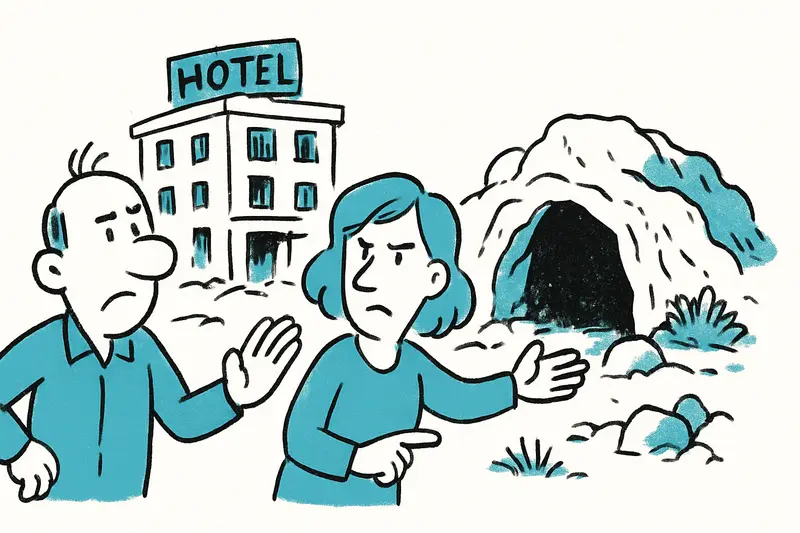
On the edge of the Vallgornera settlement, near Cala Pi, stands the former Es Pas hotel. The site looks like a project that was simply abandoned at some point: walls that no longer suggest a holiday, and plants reclaiming their space. Beneath the property lies the Cova de Vallgornera, a significant cave system whose access is restricted to specialists. Two very different stories lie just a few metres apart: visible decay above ground, and a natural environment below that is not intended for curious weekend excursions.
The key question, then, is not whether the ruins are photogenic enough for a quick visit. It is this: how can Mallorca prevent an unresolved property from becoming a danger to people and a source of pressure on a fragile natural heritage site?
The Appeal of Abandoned Places Has a Downside
Abandoned buildings attract attention. A broken fence, an empty swimming pool, a door that may no longer close properly: for some, that sounds like adventure; for others, like a good backdrop for a phone photo. But the aesthetic appeal of decay quickly fades when loose building materials, unsecured openings, or unfamiliar terrain are involved. Anyone who enters a property without permission risks their own safety and may cause damage that cannot be fixed with a quick cleanup.
At Es Pas, there is a second reason for restraint. A cave is not an empty basement beneath an abandoned building. It is a natural environment in its own right, one that can be damaged by interference and uncontrolled visits. A photo from outside may spark curiosity, but that does not give anyone the right to go inside or search for the entrance. The idea that a hidden labyrinth lies somewhere beneath your feet is a poor guide for spontaneous exploration.
The story of a forgotten hotel above a wonder also misses the point. It turns the site into a backdrop and the cave into a mysterious attraction. The more compelling contrast is a practical one: the above-ground building can be seen, assessed, and secured. The underground heritage needs protection, expertise, and quiet. Presenting both as a tourist experience blurs the line between public curiosity and responsible access.
What Is Often Missing from the Conversation
When abandoned sites are discussed, attention often turns to graffiti, crumbling facades, and the question of who was once meant to holiday there. Less visible are the practical questions: Who owns the property now? Who checks that access points are secure? Is there clear information for residents and visitors explaining what is and is not allowed? And how can the cave be protected beyond the property boundary?
These are not minor concerns. When there is no clear guidance on site, curious visitors fill the gap themselves—with rumours, dares, and the next location tip on social media. For residents, this kind of attention could mean more unfamiliar cars and people on a road that does not need to become a tourist attraction. For the natural heritage, it simply means additional pressure. Nothing can be asserted here about specific responsibilities or an approved plan; that is precisely why transparent information would be so important.
An Ordinary Walk Along the Coast
People out and about in Vallgornera know the quiet stretches where the coastal wind blows through and you might quickly unload the groceries from your car on the way home. Then an overgrown plot between houses and roads catches your eye. The impulse to slow down and take a closer look is only human. But an everyday walk is not the same as entering an abandoned building. A fence is not an invitation just because it looks damaged in one place.
In a residential area especially, the answer should not be to market the site as prominently as possible. A more sensible approach would be clear, easy-to-read signs outside the property: no entry without permission, warnings about hazards, and an explanation of why the cave is protected. The barriers should also be checked regularly, with a clear point of contact for reporting damage. Whoever is responsible for the property should resolve these questions with the relevant authorities and specialists—not only after someone has been injured or the cave has become an online secret spot.
Protect It Without Turning It into an Attraction
There are better ways to explain the site than by providing access in person. If responsibilities and resources allow, the municipality could describe the cave’s significance in an exhibition, on an information board at a suitable public location, or through digital materials. Specialists could explain what makes a cave fragile and why access restrictions are not an exercise in pointless secrecy. This would build understanding without directing visitors to a sensitive entrance.
The former hotel also needs a safety and maintenance plan: assess its condition, secure dangerous areas, and make it clear to the public who should be contacted about reported problems. Any discussion of the building’s future use should wait until ownership, structural condition, and protection requirements have been clarified. A new tourist use would not automatically be the best solution. Sometimes the most sensible course is not to turn a ruin into a stage.
Vallgornera shows how easily visible neglect and hidden value can exist side by side in Mallorca. The walls above are a problem that should not be romanticised. The cave below is not a bonus for the next abandoned-place outing. Taking the site seriously does not mean making it more accessible at any cost; it means ensuring that curiosity does not cause harm.
Frequently asked questions
Where is the former Es Pas hotel in Mallorca?
Can visitors enter the Cova de Vallgornera in Mallorca?
Is the abandoned Es Pas hotel in Vallgornera open to tourists?
What are the risks of exploring abandoned buildings in Mallorca?
What should I do if a fence around an abandoned site in Mallorca is damaged?
Why should visitors avoid looking for the entrance to a protected cave in Mallorca?
How can Mallorca explain its cave heritage without opening sensitive sites to visitors?
Why do abandoned places in Mallorca attract attention, and what impact can that have?
Similar News

Illnesses on Condor Flights: What Cannot Be Concluded from a Suspected Cause
Following an illness on Condor flights from the Caribbean, norovirus has been mentioned as a possible cause. But a suspi...

Na Burguesa: Rubbish at the Viewpoint Raises Questions About Upkeep
Rubbish is piling up by the car park and on the embankment at the Na Burguesa viewpoint above Palma. The condition affec...

Germania step up after the break – Müller goes from coach to goalscorer
After a sluggish first half, FC Germania Mallorca beat Santa Ponça 5–0. Interim coach Bastian Müller brought himself on,...

Autumn in Twelve Courses: A Long Lunch at Olivo in Deià
At the Olivo restaurant in Hotel La Residencia, the autumn menu “Sabors de Tardor” was served: twelve small courses, Mal...

Paolo Bulgari Has Died: What His Death Means for the Store on the Borne
Italian entrepreneur Paolo Bulgari has died at the age of 89. His name is part of the history of the brand, but the news...
More to explore
Discover more interesting content

Can Cap de Bou

Townhouse Lleo 72
