
Critical Bathing Incident at Arenal: Call for Better Protective Measures
A German man is on the intensive care unit after a fainting episode in the sea off Arenal. The morning incident raises questions about rescue readiness, signage and prevention at Mallorca's most popular beaches.
Critical bathing incident at Arenal: German tourist in hospital
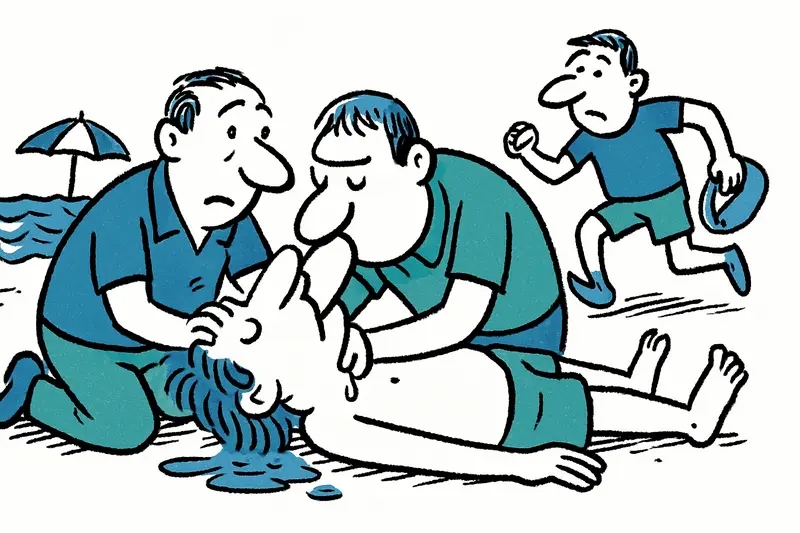
In the early morning the Arenal still had that typical mix of joggers, the smell of coffee from the beach bars and the cries of seagulls. At 9:15 a.m. the calm was abruptly interrupted by an emergency in the water: a man, apparently of German origin, collapsed while swimming and became unconscious. Passers-by pulled him to shore, began resuscitation measures and bought crucial minutes until the emergency services arrived.
First aid before the shift started
Eyewitnesses report that the official lifeguards were not yet fully on duty at that time. Lucky in misfortune: immediate helpers — including two people with first-aid experience — acted quickly and professionally until the emergency doctor and ambulance arrived. Scenes like this are not uncommon on Mallorca's beaches: bar operators, fishermen and bathers step in when it matters.
The patient and the investigations
The man was taken to a hospital and is currently in the intensive care unit; his condition is described as critical. For data protection reasons the doctors are not releasing details about identity or prognosis. The police rule out third-party involvement and are focusing on medical causes: circulatory failure, heat, dehydration or another acute event are being examined.
What is often overlooked here
The Critical bathing incident at Arenal: Call for Better Protective Measures raises a central question: are our beaches sufficiently protected outside peak times? Many tourist areas experience a change in rhythm in the morning — less staff, different shift times, reduced visibility of lifeguard towers. This is rarely discussed loudly because the beach atmosphere continues: the clinking of an espresso spoon, the rustle of towels, the buzzing of scooters along the promenade.
The role of information and warning systems also receives too little attention: often the signs are small, the flags are not immediately visible and the lifeguards' duty times are not available digitally. For tourists who stay only a few days, these details can be vital — and are often unknown.
Concrete opportunities and solutions
The incident suggests practical improvements that could be implemented relatively quickly:
Better and more visible signage along beach access points with clear information on rescue times and how to act in an emergency.
Defibrillators at central points and in beach bars; clearly mark their presence.
First-aid training for beach bar staff and property owners — short, regular refreshers are inexpensive and effective.
Digital display of lifeguard duty times (app or web) and notices about the current flag status.
Volunteer pools of locals and seasonal workers who can provide extra presence in the early morning hours.
Solidarity as an immediate response — and more
On site, municipal staff and operators of the nearby beach bars helped with blankets, water and information. One operator, who gave only the name Miguel, summed it up briefly: 'People here come together.' That is everyday life at Arenal — but solidarity cannot replace systematic prevention.
What beachgoers can do now
For the coming days and weeks: pay attention to the flags, do not swim alone and stay in shallower water if you are unsure. Remember the emergency number (112) and establish a simple 'buddy' rule while on holiday: whoever goes into the water tells someone beforehand. A simple resuscitation can buy minutes — minutes that save lives.
Scenes like this have occurred before, most notably the sudden death at Balneario 2 in Arenal, which has prompted further discussion about preparedness. A related analysis can be found in Playa de Palma: Death at Balneario 2 – How good is Mallorca's help for people in need?.
The authorities continue to investigate, but above all the incident remains a wake-up call: beaches are beautiful places — but their safety does not begin with the arrival of the ambulance; it begins with planning, information and practiced neighborhood help.
Frequently asked questions
Is it safe to swim at Mallorca beaches early in the morning?
What should I do if someone collapses while swimming in Mallorca?
How do I know if lifeguards are on duty at Mallorca beaches?
What is the best time of day to swim at El Arenal in Mallorca?
Should tourists in Mallorca watch out for dehydration when swimming or walking on the beach?
Are defibrillators available at Mallorca beaches?
What should I pack for a safe beach day in Mallorca?
Why is beach safety a concern at Playa de Palma and El Arenal in Mallorca?
Similar News
Release after bloody attack in Palma: Why the court's decision raises questions
An 18-year-old who allegedly inflicted a serious neck injury on a man at Plaza Gomila using a wristwatch wrapped around ...
Kidnappings in Inca: Three young men forced into car trunks and abused in the forest – a reality check
In Inca, three 18-year-old men were forced into car trunks by masked assailants at the Plaça des Bestiar, taken to a for...
Spreading Massification: The Brake That Still Has Much Work to Do
Marga Prohens announces limits on volume tourism. The measures sound harsh — but are they enough to save everyday life, ...
Through the Keyhole onto the Party Yacht: How Daniela Katzenberger Is Planning Her 40th on Mallorca
Daniela Katzenberger turns 40 and wants to celebrate it on the island — likely with a boat, cake and her mother. A relax...
By Boat Instead of the Road: Palma's Water Bus — a Reality Check
The 'Bus Nàutic' launches in two stages — but questions remain over interim operations, fares and environmental requirem...
More to explore
Discover more interesting content

Can Cap de Bou

Townhouse Lleo 72
