
Near-drowning in Cala Vinyes: Rescue raises questions about beach safety
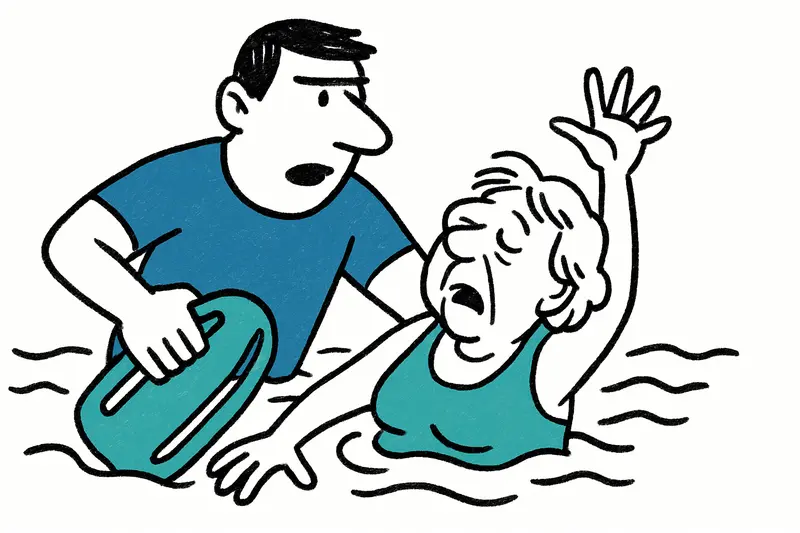
A 70-year-old woman was pulled from the sea at the small Cala Vinyes beach only thanks to the quick intervention of a lifeguard. The incident exposes weaknesses in prevention — especially for older residents.
Near-drowning in Cala Vinyes: A brief struggle for breath
Late on Wednesday afternoon the peaceful bay of Cala Vinyes was loud for a heartbeat: seagulls screamed, parasols rattled in the light Mediterranean breeze, and suddenly bathers shouted for help. Around 2:00 p.m. an approximately 70-year-old woman drifted disoriented in shallow water, her movements were faltering and her face pale. Eyewitnesses report frantic calls and the glaring yellow of the rescue buoy that bobbed on the waves like a false promise of safety.
The rescue and what happened afterwards
The lifeguard on duty was on the scene within seconds. He pulled the woman onto the shore, administered immediate measures and shortly afterward handed her over to the crews of SAMU 061 and the local police of Calvià. On site the patient was intubated and taken to a hospital under intensive medical observation. At the time of reporting she was considered in critical condition. For those present one thing remains clear: without the rapid intervention the afternoon would have ended differently. Incidents that highlight the danger to bystanders, such as the Fatal Rescue Attempt in Son Bauló: What Must Change on Our Beaches, underline why professional lifeguard presence is so important.
The key question: Could this have been prevented?
That is the question that remains after the adrenaline subsides. Many older people appreciate the calm waters of coves like Cala Vinyes. But age alone does not explain everything. Heat, medication, underestimated physical exertion after a walk, or inhaling seawater can abruptly disrupt circulation and breathing. Cardiac events can also cause sudden collapses, as shown in the report Cardiac Arrest While Swimming in Colònia de Sant Pere: A Death and the Question of Prevention. In addition, physical reaction capacity decreases with age — a short fainting spell is enough to become unable to maneuver.
Aspects that are too rarely discussed
Three points are often missing from the public debate: first, the role of residents who regularly swim alone and do not see themselves as tourists with a buddy system. Second, linguistic and medical information: much of the information is attached to signs or short notices that do not reach older people or those with hearing problems. Third, the phenomenon of so-called secondary drowning (aspiration injury from seawater), which can become serious hours after an incident and is often overlooked. Other recent beach tragedies, such as the case described in Cala Blava: A Day at the Beach Ends in Death — Who Must Act?, show how varied the risks can be.
Concrete opportunities and solutions
What can municipalities like Calvià and the local community do? First: review year-round presence at small coves like Cala Vinyes, at least for some hours. That may sound costly, but a targeted extension of lifeguard shifts during fringe times would make a big difference. Publicly accessible Automated External Defibrillators (AEDs) should also be installed at prominent beach accesses and explained with clearly visible signage.
Another approach is health education targeted at residents: short information evenings in neighborhood centers or notices in pharmacies with tips on risks when bathing under the influence of medication, the importance of bathing with someone, and the correct response to breathing difficulties. Simple measures such as more visible rescue points, easy-to-understand pictograms and a voluntary, locally organized beach-buddy system could also protect many vulnerable people.
What we feel on site
The small promenade at the cove is a mosaic of voices on summer days: fragments of conversations, the clack of flip-flops, the scent of sea and pine. It is here that the fragility of safety becomes apparent: a moment of inattention, a brief faint, and the idyll tilts. The rescue in Cala Vinyes was quick and professional — but it was also a reminder that prevention is not only the responsibility of rescuers, but of the whole community.
An appeal to beachgoers and decision-makers
Look out for one another. If you have older neighbors, ask whether they swim alone. Authorities and tourism providers should jointly review how information offers and physical safety measures can be improved. Lifeguards are not decoration — they are part of a system that must be maintained. This is not an isolated concern on Mallorca's coasts, as the Tragic Fall in Cala Sant Vicenç: A Wake-Up Call for Greater Coastal Safety reminds us.
We wish the patient a swift and full recovery and hope that this incident is a reason not only to react but to take action.
Frequently asked questions
Is Cala Vinyes in Mallorca safe for swimming?
Why do shallow waters still cause accidents at Mallorca beaches?
What should older people keep in mind before swimming in Mallorca?
What is secondary drowning and why does it matter after a beach incident?
What should you do if someone collapses in the sea at Cala Vinyes?
Are Mallorca beaches monitored outside the busiest summer hours?
Would AEDs help improve beach safety in Mallorca?
How can Mallorca communities reduce the risk of beach emergencies?
Similar News
Masked Images, Real Panic: When Social Media Aesthetics Alarm Neighbors
Five German content creators filmed on a recently vacated detention site using deceptively realistic props. The result: ...
Why the Striped Breams in Cala Pí Should Be a Wake-up Call
Once again bathers in Cala Pí were surrounded while swimming by small, nippy fish — some wounds bled. Time for clear rul...

Daily from New York: How Palma's Air Traffic Is Growing — and What Must Change
United will increase the Newark–Palma service to daily flights in 2027 (Boeing, 231 seats). Strong tourist numbers clash...

When Love Ends in Shards: Destruction in Son Vida and the Questions That Remain
In Son Vida a relationship dispute escalated: a woman destroyed furniture in a luxury villa, later pressed a panic butto...
Who Bears the Burden? Mallorca Between Tenant Protection and Landlord Fears
Madrid's new housing decrees strengthen tenant rights — but on Mallorca concern is growing: will the law drive small lan...
More to explore
Discover more interesting content

Can Cap de Bou

Townhouse Lleo 72
