
Tragic Fall in Cala Sant Vicenç: A Wake-Up Call for Greater Coastal Safety
A morning in Cala Sant Vicenç ended tragically: 75-year-old Gaspar Roselló fell to his death. The incident highlights the dangers of the north Mallorca cliffs and inadequate rescue routes.
A Morning That Ended Differently: Cala Sant Vicenç in Mourning
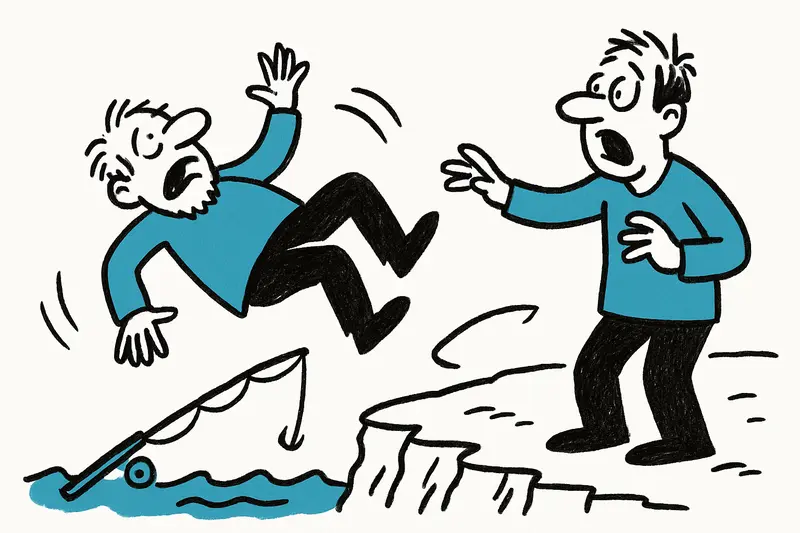
As the sun crept over the pines at Cap des Pinar and the surf lashed sharply against the rocks, a peaceful fishing outing turned into tragedy. 75-year-old Gaspar Roselló fell from the steep coast of Cala Sant Vicenç and died after plunging several meters. His 15-year-old grandson, who had accompanied him, had to witness the scene; due to poor mobile reception he could not call for help immediately. Only later did a Guardia Civil helicopter land, its rotors sounding like a distant storm over the valley, and recover the lifeless body.
The Details That Are Often Overlooked
It is the small things that make this place dangerous: wet rock, loose sand at the edges, an unsteady step — and a strong gust of wind at the wrong moment. Witnesses speak of slippery spots, barely visible drop-offs and a lack of warnings about the hazards. Added to this are the mobile dead zones along the north coast that can stall a rescue chain in critical minutes. Anyone who has been to the beach at Cala Sant Vicenç knows the gulls' cries, the scent of olive oil and pine needles in the villages above — and the surprisingly rough, hazardous stretches between the viewpoint and the water.
Central Question: How Safe Are Mallorca's Cliffs Really?
The accident poses a clear question: Are our measures sufficient to protect people at the cliffs without spoiling the landscape? The answer is complex. On one hand there is the desire for untouched nature: unobstructed views, no railings to mar the panorama. On the other hand there are real risks that make no distinction between tourist and local. We must weigh how much freedom we can allow the coast while avoiding putting lives at risk. Similar recent incidents, such as the death of a 79-year-old professor dies in Cala Blava, underline the urgency.
Aspects Often Missing from Public Debate
The discussion usually revolves around overcrowded beaches and tourist infrastructure. This case, however, affects a local resident — a grandfather who came to the coast looking for family and tradition. Older people move differently: walking speed, balance and risk assessment often differ from younger hikers. There is also the deceptive feeling of familiarity – "This is my home, I know every rock here" – which can lead to ignoring warnings; the near-drowning in Cala Vinyes shows how quickly a familiar place can become dangerous. Such human factors must be considered in protection concepts.
Concrete, Pragmatic Solutions Instead of Empty Words
The events in Cala Sant Vicenç show: small, well-thought-out measures can save lives without turning the coast into an amusement park. Suggestions that already work on other sensitive coastal stretches include:
1) Age-appropriate and easy-to-understand signage: symbols, pictograms and clear color coding instead of long texts in multiple languages.
2) SOS beacons or emergency columns at critical points that operate independently of the mobile network and alert rescue services directly.
3) Regular maintenance and marking of paths: making erosion zones visible, temporary closures when dangerous, and providing up-to-date local maps.
4) Local first-aid training and targeted education for families and senior groups: those who care for the coast should know how to act in an emergency.
None of these measures destroys nature — on the contrary: people who feel safer behave more responsibly toward the landscape.
Who Mourns, and What Should Happen Now
Pollença and the University of Barcelona plan memorial events; colleagues and friends remember Roselló as a bridge-builder between research and home. In bars and marketplaces neighbors repeatedly ask the same question: How do we prevent this from happening again? The answer must be local, practical and quickly implementable — from the municipality and volunteer groups to regional authorities. Past cases such as Tragedy at Son Bauló: 67-year-old dies after rescue attempt demonstrate the consequences when rescue goes wrong.
A Quiet Wake-Up Call
In the evening, when the church bell tolls and the scent of fried fish mingles with pine smoke in the lanes, an empty seat remains at the table. The death of Gaspar Roselló is not only a loss for his family and for science, it is a wake-up call for our coasts. Earlier coverage of a well-known university professor dies while swimming in Cala Blava — What's going wrong on Mallorca's coasts? shows the debate is ongoing; anyone who wants to preserve Mallorca's rugged beauty must also invest wisely in safety. Otherwise the rocks will keep calling — and one day there may be no one left to hear when someone needs help.
A loss that prompts reflection: for memories, for caution and for concrete changes to Mallorca's cliffs.
Frequently asked questions
Is it safe to walk on the cliffs in Mallorca without any railings?
What makes the north coast of Mallorca more dangerous in some areas?
What should you pack for a coastal walk in Mallorca?
What should you do if someone falls on a cliff path in Mallorca?
Is Cala Sant Vicenç in Mallorca risky for older visitors?
Why can mobile phone coverage be poor along some Mallorca beaches and cliffs?
What safety improvements are being discussed for Mallorca’s dangerous coastal areas?
When is it best to visit Mallorca’s rocky coves and cliff areas?
Similar News

Release after bloody attack in Palma: Why the court's decision raises questions
An 18-year-old who allegedly inflicted a serious neck injury on a man at Plaza Gomila using a wristwatch wrapped around ...
Kidnappings in Inca: Three young men forced into car trunks and abused in the forest – a reality check
In Inca, three 18-year-old men were forced into car trunks by masked assailants at the Plaça des Bestiar, taken to a for...
Spreading Massification: The Brake That Still Has Much Work to Do
Marga Prohens announces limits on volume tourism. The measures sound harsh — but are they enough to save everyday life, ...
Through the Keyhole onto the Party Yacht: How Daniela Katzenberger Is Planning Her 40th on Mallorca
Daniela Katzenberger turns 40 and wants to celebrate it on the island — likely with a boat, cake and her mother. A relax...
By Boat Instead of the Road: Palma's Water Bus — a Reality Check
The 'Bus Nàutic' launches in two stages — but questions remain over interim operations, fares and environmental requirem...
More to explore
Discover more interesting content

Can Cap de Bou

Townhouse Lleo 72
