
Tragedy at Son Bauló: 67-year-old dies after rescue attempt
A spontaneous rescue attempt at Son Bauló ended in tragedy: a 67-year-old man died after trying to help a swimmer. What went wrong — and what needs to change?
Tragedy at Son Bauló: Rescue attempt ends fatally
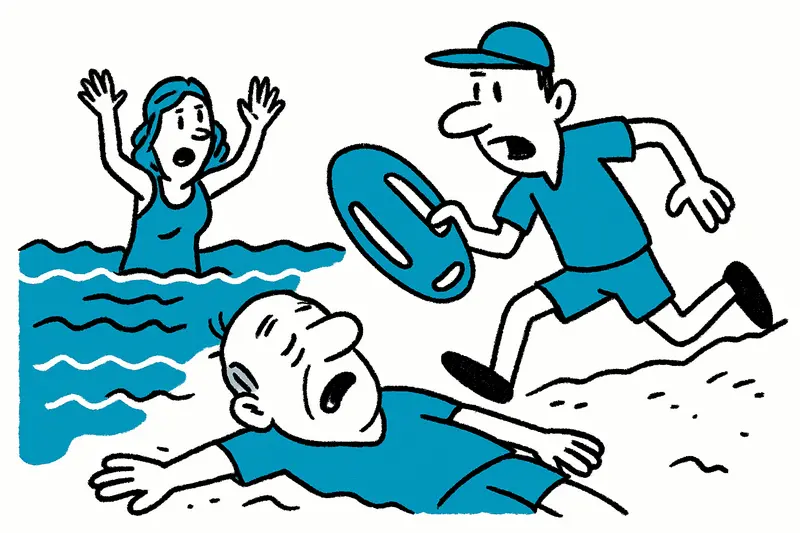
Late on Friday afternoon the stretch of beach at Son Bauló suddenly became an emergency scene, as reported in Tragedy at Son Bauló: 67-year-old dies after rescue attempt: around 5:50 p.m. a 67-year-old man jumped into the sea to help his companion, who apparently had trouble swimming. Despite immediate resuscitation efforts by a hotel lifeguard and the later intervention of emergency services and police, the man died shortly afterwards.
Panic, screams, the cry of the seagulls
Residents and beachgoers described a scene familiar to many on Mallorca: towels were flung aside in haste, flip-flops slapped the sand, voices broke and turned into screams. The wind that October afternoon was only a light breeze, the sea looked calm — a deceptive calm. A lifeguard from Can Picafort began chest compressions on site and used a semi-automatic defibrillator. Eyewitnesses report that rescuers fought for the man's life for nearly an hour.
The deceased man's partner received medical attention and was taken to Muro hospital; there are no official statements about her condition yet. The Guardia Civil and local police were present on the beach afterwards; the mood is sombre and the sense of shock is great, a reality explored in Fatal Rescue Attempt in Son Bauló: What Must Change on Our Beaches.
The central question: Why can helping end fatally?
The quick intervention of bystanders is human and often lifesaving. But water rescue is its own discipline. Those who do not swim regularly or who lack rescue techniques can themselves become endangered. In this case the bitter question arises: could the victim have been saved — and how can the risk to helpers be reduced?
Fewer lifeguards, changeable autumn currents
One problem often overlooked in Mallorca during the transitional season is the reduced presence of lifeguards and safety personnel. In October many beaches are only partially supervised. Added to this are seasonal currents and sudden waves that are not visible from a distance. The combination of reduced oversight and the deceptive calm of the sea increases the risks for swimmers and potential rescuers.
Often overlooked aspects of beach safety
It is frequently overlooked that tourists are less likely to read local notices or small warning signs, and that language barriers hinder communication in emergencies, as reported in Intento de rescate mortal en Son Bauló: qué debe cambiar tras el drama en la playa. Also rarely discussed is the availability of lifebuoys or publicly accessible defibrillators at smaller beaches. Many municipalities rely on seasonal staff rather than permanent infrastructure.
Concrete proposals: What would make sense now
From the incident come immediately actionable lessons:
1. Better signage and warnings: Multilingual, highly visible notices at beach entrances and exits — especially in the low season — can raise awareness of dangers.
2. Publicly accessible rescue equipment: Lifebuoys and AEDs (automated external defibrillators) should be easily accessible at small coves and beaches.
3. Training for residents and staff: Local first aid courses for hotel staff, boat operators and tourism workers — this increases the chance of qualified help in an emergency.
4. Flexible lifeguard deployments: Lifeguard season planning should be tied to weather and visitor numbers, not only calendar dates.
5. Information campaigns: Short, clear guidance for non-swimmers and occasional bathers on promenades and in accommodations.
An appeal to the community
The instinct to help is honorable. But water rescue requires method. If the island community connects more closely — volunteers, hotels, municipalities and the Guardia Civil — many dangers could be mitigated in advance. The aim is not to discourage willingness to help, but to make it safer.
For the bereaved the question of why remains. For politicians and those responsible, the duty is to learn from this incident. Our thoughts are with the family of the deceased; seagulls continue to circle, the sea remains beautiful and treacherous. Mallorca is not just a holiday destination — people live here, and we must take better care of one another.
Frequently asked questions
Is it safe to swim at Son Bauló in Mallorca in autumn?
What should I do if someone struggles in the sea in Mallorca?
Why can a rescue attempt in the sea become dangerous for helpers?
Are lifeguards always on duty at Mallorca beaches in October?
What beach safety signs should visitors look for in Mallorca?
Does Can Picafort have rescue equipment for beach emergencies?
Where did the fatal rescue attempt happen in Mallorca?
How can Mallorca improve beach safety outside the summer season?
Similar News
Release after bloody attack in Palma: Why the court's decision raises questions
An 18-year-old who allegedly inflicted a serious neck injury on a man at Plaza Gomila using a wristwatch wrapped around ...
Kidnappings in Inca: Three young men forced into car trunks and abused in the forest – a reality check
In Inca, three 18-year-old men were forced into car trunks by masked assailants at the Plaça des Bestiar, taken to a for...
Spreading Massification: The Brake That Still Has Much Work to Do
Marga Prohens announces limits on volume tourism. The measures sound harsh — but are they enough to save everyday life, ...
Through the Keyhole onto the Party Yacht: How Daniela Katzenberger Is Planning Her 40th on Mallorca
Daniela Katzenberger turns 40 and wants to celebrate it on the island — likely with a boat, cake and her mother. A relax...
By Boat Instead of the Road: Palma's Water Bus — a Reality Check
The 'Bus Nàutic' launches in two stages — but questions remain over interim operations, fares and environmental requirem...
More to explore
Discover more interesting content

Can Cap de Bou

Townhouse Lleo 72
