
Concert de la luna: When Technology Gets in the Way of the Magic
Concert de la luna: When Technology Gets in the Way of the Magic
A thousand people, bottles of wine, a summer night — and sound reinforcement that sometimes overpainted the music. A critical assessment of the 13th Concert de la luna at Bodega Macià Batle.
Concert de la luna: When Technology Gets in the Way of the Magic
Key question: How much technical support can an open-air concert tolerate before the music suffers?
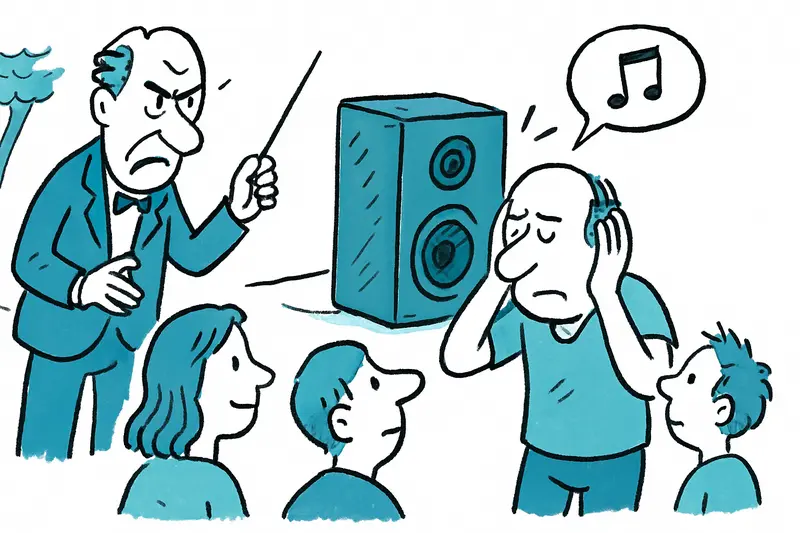
On the evening in question the Winery Concerts at Macià Batle: Autumn Season Begins on September 28 looked like a well-set stage: vines in the dusk, a long table with tapas, glasses tinkling in the warm breeze. Around the grounds, the shriek of cicadas mixed with the distant roar of a country road. About a thousand people had gathered to experience the 13th Concert de la luna and to donate to the Amics de la infancia. The programme featured film music and musical hits, conducted by Pablo Mielgos; Smerald Spahiu led the strings. The ingredients for a successful summer evening were there. But the sound system repeatedly caused trouble.
The analysis: Open-air concerts lack the natural reverberant architecture that closed halls provide for timbre and balance. That is why organisers turn to microphones and loudspeakers. But amplification is not automatic: overly aggressive EQ settings, poorly positioned speakers and an exaggerated boost in the highs can exaggerate overtones while swallowing the low end. That is exactly what happened that evening: brass instruments lost their rounded body, the cymbal cut through unpleasantly, and the balance between soloists and orchestra shifted.
The audience reacted ambivalently. Some shook their heads, others stayed because the combination of setting, food and charitable purpose carried the mood. Those coming from the Festival de Bellver or Impressionistic Season Opening at the Auditorium: Color, Sound and Late Romanticism experienced the sound as a step backwards. Still, the audience gave a standing ovation at the end; the emotional pull of pieces like the violin solo from Schindler's List or arrangements by Andrew Lloyd Webber brought many back.
What is missing from public discourse: people rarely talk openly about acoustic standards for open-air productions. Conversations focus on line-ups, catering and ticket prices — but scarcely on how much technical amplification is appropriate and who is responsible when it does harm. Organisers, equipment rental companies, sound engineers and venue operators share the risk; transparent checklists or publicly accessible minimum requirements are hardly available.
Everyday scene: In front of the bodega exit, under flickering lanterns, people talked about the concert like a mild summer evening: "The music was still beautiful," said a woman with a shopping bag full of tapas leftovers, an older gentleman adjusted his bow tie and remarked that the timpani had been too loud. Children ran barefoot on the gravel because the heat still lingered in the ground. Such images show that an event is more than perfect acoustics — but not less.
Concrete solutions: Organisers should disclose technical concepts. Before the concert, a small information page could explain which speaker arrays were used, how the delay for distant sections was calculated and which acoustic compromises should be expected. A binding sound-check procedure in which representatives of the orchestra, the sound team and the venue sign off together would reduce surprising sonic breaks. In addition, sound engineers should work specifically on the frequency ranges that cause fatigue during long outdoor sessions (overtone damping, controlled cymbal levels). For benefit events it pays to invest in an experienced FOH engineer — that investment returns in satisfaction and reputation.
A bit of realpolitik: Good equipment is expensive and margins in the cultural sector are often thin. Nevertheless, small interventions can be effective: a different orientation of the speakers, additional delay speakers, an adapted monitor setup for the concertmaster. A well-communicated concept to the audience — for example a brief announcement explaining why amplification is necessary — also creates understanding.
Critical evaluation: The concert was not an acoustic total failure, but it fell short of its potential. The mix of atmospheric location, an engaged conductor and a generous audience kept the evening afloat. The technical weaknesses, however, limited the musical impact, especially in passages that lived from fine ensemble playing.
Conclusion: Those who love the Concert de la luna should support it — but the next edition needs technology that listens. An open dialogue between musicians, technicians and organisers could prevent valuable moments from being lost in the afterglow of a poorly adjusted system. As people left the bodega voices were mixed, the air smelled of wine and summer; some left satisfied, others wishing that next time the sound would not merely hint at the magic but fully realise it.
Punchy final note: Setting, audience and good intentions are valuable. But the best intentions do not automatically produce good sound — that requires craft, tuning and a little humility toward the technology.
Frequently asked questions
Why does sound at open‑air Mallorca concerts often feel different from indoor performances?
What acoustic challenges did the Concert de la luna face in Mallorca?
What should I bring to a summer open-air concert in Mallorca?
How can organizers improve sound quality at outdoor events in Mallorca?
What can venues like Bodega Macià Batle do to balance atmosphere with sound?
Who is responsible for sound quality at outdoor Mallorca concerts?
What makes a Mallorca open-air concert sound good?
Is a binding sound-check routine common for Mallorca outdoor concerts?
Similar News

"Expensive chaos" and many open questions: What clients can do when a lawyer suddenly stops responding
Several clients complain that a well-known German lawyer in Mallorca has been unreachable for months. Key question: What...
TV tip: 'The Last Problem' — Mallorca as the setting of a classic crime
A classic whodunit on Mallorca: A new miniseries set in spring 1959 brings storm, an isolated hotel and a dense web of s...

Nipping Sea Creatures: Why Bathers in Cala Major and Elsewhere Should Be Cautious
In Cala Major, bathers have reported being nipped by small fish. What is behind it, how can problems be avoided — and wh...

Forced eviction in Santa Catalina: When a 65-year-old slept in her car and showered on the beach — a question of responsibility
The story of Pilar López from Santa Catalina represents a problem affecting many Mallorcans: How can an island with a bo...

New traffic rules from October 1: What Mallorca visitors and locals need to know
From October 1, 2026, Spain will implement far-reaching changes to traffic regulations. Important for Mallorca: greater ...
More to explore
Discover more interesting content

Can Cap de Bou

Townhouse Lleo 72
