
Construction Starts in Sant Francesc: A Year of Noise, Life Afterwards?
Inca began work in the Sant Francesc neighbourhood on September 3. €1.33 million will renew pipes, sidewalks and lighting — but what does that mean for residents, the market and the little bakery on the Plaça? A situation report with a critical question: will the city preserve its character or sacrifice it for comfort?
The construction site is open — and the city carries on
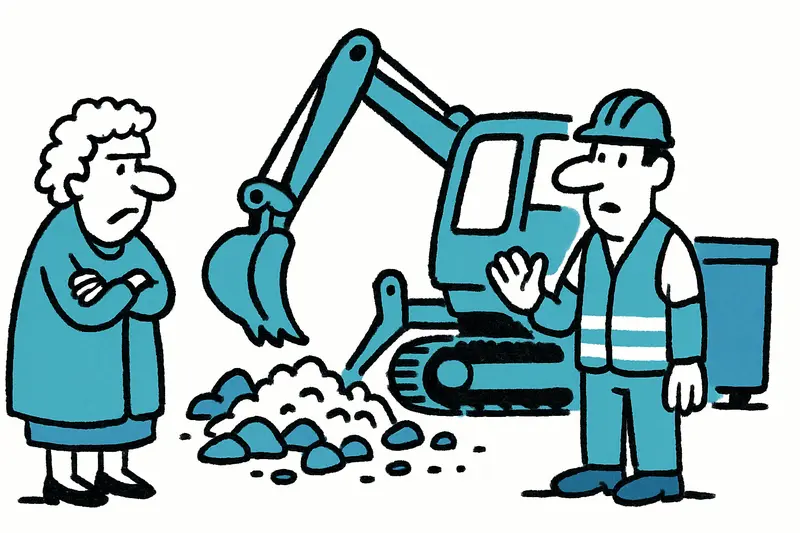
In the early morning of September 3 the first crane could be heard in Carrer de Sant Francesc, the engines of the excavators and the soft rustle of plastic tarps. There was still the smell of fresh pastries from Es Forn, the baker shook his head but stayed calm: 'As long as they keep the market days in the plan, it'll work.' The Inca city council has officially begun work on the historic centre — with a clear goal: a new water and sewage system, level sidewalks, better lighting and more space for trees and accessibility.
Briefly, plainly: What exactly will be done
On paper: €1.33 million, funded by the Spanish Ministry of Housing, completion planned for September 2026. In practice: old pipes out, new ones in; curbs at street level, fewer steps; new streetlights, tree pits, crossings for wheelchairs and prams. The works are planned to take place in sections so that the market and the Plaça are not completely closed — a necessary but not simple logistical task, as discussed in Plaça Mercat: 20 Months of Construction — Renovation Under Review.
Central question: Modernization without loss?
This is the question many neighbours are worried about: Can Sant Francesc become more modern and accessible while still remaining what it is — a lively part of Inca with small shops, market bustle and old cobbles? Or will the neighbourhood turn into a cleaner but interchangeable town centre where the soul disappears a few centimetres under the concrete?
What is often overlooked
Public announcements focus on budget, schedule and site opening hours (mostly 8 a.m. to 5 p.m., nights only in exceptional cases). Less discussed are the practical details that affect everyday life: How will construction waste be removed without blocking the narrow streets? Who compensates for lost stall rents if market sellers have to move? Are there archaeological checks in case old foundations turn up during excavation? And: which materials will be used — do cobblestones and modern curbs fit together?
Voices from the neighbourhood
The old lady on the Plaça said: 'The sewer really needed renewing, but this noise…' A young market vendor worries about his customers: 'If the stall is moved, regular buyers might not come anymore.' Es Forn reacted pragmatically; baker and customers know the sounds, and the scent of freshly baked bread remains a magnet.
Concrete risks — and practical countermeasures
Risks include revenue losses for small shops, short-term parking pressure, restrictions for older people and possible delays until 2026. Solutions are possible and would cost little: a clear phased plan with publicly viewable maps, temporary guarded delivery zones, grants or reduced stall rents for particularly affected vendors, better information for bus drivers and a community liaison person to bundle complaints and react quickly. A site code for limiting noise and dust would also be important — especially in the early morning hours when bakers prepare their dough, as highlighted by Less Christmas Noise in Sa Feixina – Success for Residents, but How Lasting?.
A perspective that hardly anyone mentions
The climate impact: will the new pipes be designed for stronger rain events? Mallorca has experienced heavy downpours in recent years, according to AEMET reports on heavy rainfall in the Balearic Islands; a modernised sewage system can help prevent flooding. Also: can removed paving stones be reused to preserve the historic character? Recycling and local craftsmanship could make the project more sustainable and sympathetic, similar to Construction by the Water: How Clean and Social Will the Port d'Andratx Renovation Be?
How the city can manage it
Communication is key. Event plans, market relocations and timetable changes should not only be posted at city hall but also online, on posters at the market and distributed as flyers in shops. A fixed contact person at the city, regular weekly updates and a small emergency fund for traders would build trust. Archaeological supervision and the use of local materials would show: this is not just modernisation, it's careful design.
Conclusion: Opportunity with side effects
In the short term: more noise, fewer parking spaces, detours. In the medium and long term Sant Francesc can become more livable, accessible and safer. What matters is how the city accompanies the coming months: with transparency, consideration and practical help for those who live and work here every day. If that succeeds, the scent of Es Forn remains, the sidewalks become more comfortable, the trees grow, and even the old lady can stroll across the Plaça more easily.
Tip for the coming months: If you are going to the Plaça: allow a bit more time, maybe call your favourite bakery in advance and pay attention to the signage when visiting the market. A little patience now could bring much easier daily life later.
Frequently asked questions
What is being built in Sant Francesc in Inca?
How long will the works in Sant Francesc Mallorca take?
Will the Sant Francesc market stay open during the construction?
What are the opening hours for the Sant Francesc construction site?
How will the Sant Francesc works affect daily life in Inca?
Why is Inca upgrading the sewer system in Sant Francesc?
Can you still visit the Plaça in Sant Francesc while works are going on?
What should I do if I am going to Sant Francesc in Inca during the construction?
Similar News

Masked Images, Real Panic: When Social Media Aesthetics Alarm Neighbors
Five German content creators filmed on a recently vacated detention site using deceptively realistic props. The result: ...
Why the Striped Breams in Cala Pí Should Be a Wake-up Call
Once again bathers in Cala Pí were surrounded while swimming by small, nippy fish — some wounds bled. Time for clear rul...

Daily from New York: How Palma's Air Traffic Is Growing — and What Must Change
United will increase the Newark–Palma service to daily flights in 2027 (Boeing, 231 seats). Strong tourist numbers clash...

When Love Ends in Shards: Destruction in Son Vida and the Questions That Remain
In Son Vida a relationship dispute escalated: a woman destroyed furniture in a luxury villa, later pressed a panic butto...

Who Bears the Burden? Mallorca Between Tenant Protection and Landlord Fears
Madrid's new housing decrees strengthen tenant rights — but on Mallorca concern is growing: will the law drive small lan...
More to explore
Discover more interesting content

Can Cap de Bou

Townhouse Lleo 72
