
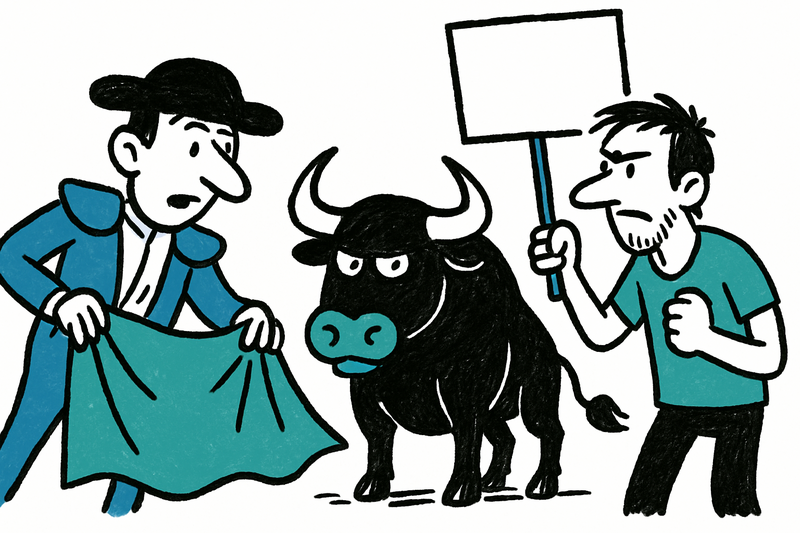
Bullfighting returns to Muro – a village between tradition and protest
On 14 September a bullfight is scheduled to take place again in Muro at the La Monumental arena. For many it is nostalgia, for others a step backwards. A look at the reasons, protagonists and possible ways out of the confrontation.
Bullfighting in Muro: What happened and why is it causing an uproar?
On 14 September, after an eight-year break, a bullfight is scheduled to take place again in Muro. The municipality has rented the historic arena La Monumental to an event company that is organizing the event. At first glance it seems like a sober economic decision – there is room in the market, the municipality collects rent, and tourists could come. At second glance, however, the decision lands right in the middle of a debate that has been growing more heated in Mallorca for years.
The central question
Do we want to preserve tradition at any cost, or is now the time for change? This guiding question runs through the paved streets of Muro, accompanied by the sound of the church bell, the chirping of cicadas and the clinking of espresso cups on the plaza.
Who is protesting – and why?
Animal welfare organizations, notably representatives of the Franz Weber Foundation, quickly raised the alarm. For them, the return of bullfighting is a 'step backwards'. The criticism goes beyond moral outrage: they see La Monumental as a lost opportunity for a cultural reorientation – for concerts, theatre or local festivals that appeal to more people and are less polarizing.
On the street the contrasts are audible: older residents recall the excitement of earlier bullfights, while younger people wave it off. 'There are better ways to showcase our culture,' says a student from Palma who is discussing at a market stall. Under the hashtag #NoStierkampfMuro hundreds of critical voices are gathering online, while at the bar next door a regular dryly notes: 'It brings tourists – and some money for the coffers.'
What politicians say (and what they avoid)
Muro's town hall speaks of a purely economic decision and publicly remains reserved. That is no coincidence: politicians do not want to disturb local peace, but also do not want to forgo possible revenue. This tactical restraint does not make the debate any smaller – it only shifts it into forums, blogs and above all into private living room conversations.
Aspects that are rarely discussed
Little attention is paid to what the event would mean for everyday life in the town: noise, traffic, security issues, but also the perspective of local businesses. Reviving the arena could indeed bring visitors into bars and shops in the short term, but at the same time it could drive away regular customers. Hardly discussed either are the legal and insurance aspects – who is responsible in the event of incidents? And what about the animals that are brought in from other regions for the event?
Constructive alternatives
Between black and white there are ways to make the confrontation productive. Some proposals:
1. Referendum: A binding vote would democratize the decision and strengthen the legitimacy for future uses of the arena.
2. Phased repurposing: La Monumental could be used culturally in the off-season – with clear contracts that exclude bullfighting events and promote local initiatives.
3. Redirecting revenue: If economic use is allowed, parts of the rent could flow into local animal and cultural projects.
4. Encounter and education programs: Lectures, film screenings and discussion rounds could explore the history of the place and make alternatives to the corrida visible.
Looking ahead
14 September will be more than a date – it could become a touchstone for how Mallorca deals with controversial traditions. Whether Muro is 'as it was' afterwards, or whether the day triggers a discussion that leads to long-term change, remains open. One thing is certain: when the church bell rings that September morning and the cicadas roar, more will be heard than just footsteps on the paving stones. It's about identity, economic realities and whether a village uses the chance to redefine its place between past and future.
Frequently asked questions
Why is the return of bullfighting in Muro causing so much debate?
Is bullfighting still legal in Mallorca?
What are the main arguments against bullfighting in Mallorca?
What is La Monumental in Muro used for?
How could a bullfight affect everyday life in Muro?
What alternatives are being suggested for the Muro bullring?
Why do some people in Mallorca still support bullfighting?
What does the bullfighting debate in Muro say about Mallorca today?
Similar News
Release after bloody attack in Palma: Why the court's decision raises questions
An 18-year-old who allegedly inflicted a serious neck injury on a man at Plaza Gomila using a wristwatch wrapped around ...
Kidnappings in Inca: Three young men forced into car trunks and abused in the forest – a reality check
In Inca, three 18-year-old men were forced into car trunks by masked assailants at the Plaça des Bestiar, taken to a for...
Spreading Massification: The Brake That Still Has Much Work to Do
Marga Prohens announces limits on volume tourism. The measures sound harsh — but are they enough to save everyday life, ...

Through the Keyhole onto the Party Yacht: How Daniela Katzenberger Is Planning Her 40th on Mallorca
Daniela Katzenberger turns 40 and wants to celebrate it on the island — likely with a boat, cake and her mother. A relax...
By Boat Instead of the Road: Palma's Water Bus — a Reality Check
The 'Bus Nàutic' launches in two stages — but questions remain over interim operations, fares and environmental requirem...
More to explore
Discover more interesting content

Can Cap de Bou

Townhouse Lleo 72
