
When Patience Snapped: Forced-Open Door at Son Sant Joan Airport Sparks Outrage
When Patience Snapped: Forced-Open Door at Son Sant Joan Airport Sparks Outrage
Waiting passengers, tired football fans and a blocked information chain: At Son Sant Joan airport a passenger forced open a door at night. A reality check on what went wrong and how it can be improved.
When Patience Snapped: Forced-Open Door at Son Sant Joan Airport Sparks Outrage
Leading Question
Why is a long, unclear standstill after disembarkation enough for someone to force a door open — and what does that say about safety and communication at the airport?
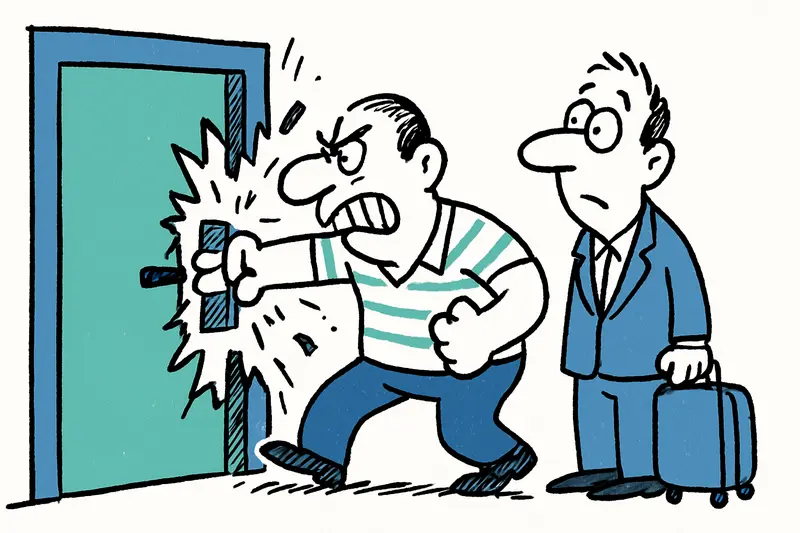
In the late hours after a home game a plane landed in Palma, many fans in red-and-white shirts on board. After the normal disembarkation, people stood in the aisles for quite some time. There was barely any information, no visible staff explaining the situation, only the flickering lights of the apron lamps and the constant hum of the air-conditioning. Eventually, one passenger opened one of the access doors to the corridors himself — using brute force, apparently because he saw no other option.
At first glance the incident looks like an isolated case of a frustrated traveler. On closer inspection, however, it fits into a series of small disruptions that add up at airports: construction work, changed procedures, staff relocations and an information vacuum for passengers, as documented in Son Sant Joan: Between Arrival Delight and Pickup Chaos. For people coming back from an exhausting game late at night, tired, annoyed or disappointed, it takes little for the mood to turn.
Critical Analysis
The problem does not start with the broken door, but before it. Three levers stand out immediately: first, organization and staff presence in the disembarkation area; second, clear and fast communication; third, spatial conditions caused by construction work. When a plane is being unloaded, people need reliable signals — announcements, visible personnel, de-escalation staff. If these are missing, uncertainty and frustration arise.
Construction work at terminals often shifts walking routes and exits. If these changes are not explained seamlessly — in several languages and via public address — passengers are left standing in front of closed access points. Add late-night travel, fans still charged with adrenaline from the match, and general fatigue: a mixture with a high risk of escalation. Security concepts rarely consider this in detail; they focus on terror or Thefts at the Airport: Two Employees Detained – How Secure Is Son Sant Joan?, not on limits of patience among crowds of sports fans.
What Is Missing from Public Debate
There is a lot of talk about major incidents, such as "An Outrage" at Palma Airport: Why Did Passengers Disembark — and the Plane Fly Off Empty?, and little about everyday disruptions that undermine trust in procedures. No mention of how construction fences, changed routes and reduced staffing together provoke smaller incidents. The passengers' perspective is also missing: what rights do people waiting have under EU passenger rights regulation (EC) No 261/2004, and how are they compensated if they are blocked for hours? Nor is there much discussion about what training staff should have to deal with agitated groups.
Everyday Scene from Mallorca
You can imagine the scene: shortly after midnight, buses have become rare and taxis on the avenue are hard to find. The terminal smells of cold coffee from vending machines, some fans lean on suitcases, voices mix — Spanish, English, a few German words. An arrival time flickers on a display, and no one comes with a megaphone to explain how long the wait will be. An older man sighs, a mother draws her children closer, and in the end one individual decides: that's enough — he forces a door open.
Concrete Solutions
The situation calls for pragmatic measures, not platitudes. Suggestions that could be implemented relatively quickly: 1) Temporary response teams for night landings: visible staff in high-visibility vests whose sole task is to pass on information and de-escalate. 2) Mobile speaker systems and multilingual announcements directly at the passenger stair exits so those waiting know what to expect. 3) Clearly marked temporary walkways during construction that are also shown digitally in real time via airline apps and airport info. 4) Standard protocols for critical waiting periods: short, regular updates to passengers every five to ten minutes. 5) Simple infrastructure: more seating, water dispensers, lighting to calm the atmosphere.
In the long term, better networking is needed between the airport operator, airlines and ground staff. Simulated exercise scenarios with football fans or travel groups would show where bottlenecks occur. Also: clear rules for dealing with property damage and transparent communication about possible sanctions — not as a threat, but to restore trust in order and safety.
Conclusion
The forced-open door is the symptom, not the cause. It's about the small gaps in organization and communication that can lead to a visible escalation in a single night. If we talk less about isolated incidents and more about everyday processes, such events can be prevented. For Son Sant Joan this means: better information, visible presence and a sense for people's patience — especially after a long evening on the island.
A final thought: Airports are not endless waiting rooms, they are places of transition. When the transition stalls, what is needed is a human word, not a hammer.
Frequently asked questions
What is the weather like in Mallorca in spring?
Can you swim in Mallorca in April or May?
What should I pack for Mallorca in shoulder season?
Is Mallorca good for hiking in spring?
Is Alcúdia windy in spring?
Is Sóller nice to visit in spring?
When is the best time to visit Mallorca for warm weather without the summer crowds?
Are beaches in Mallorca busy in spring?
Similar News
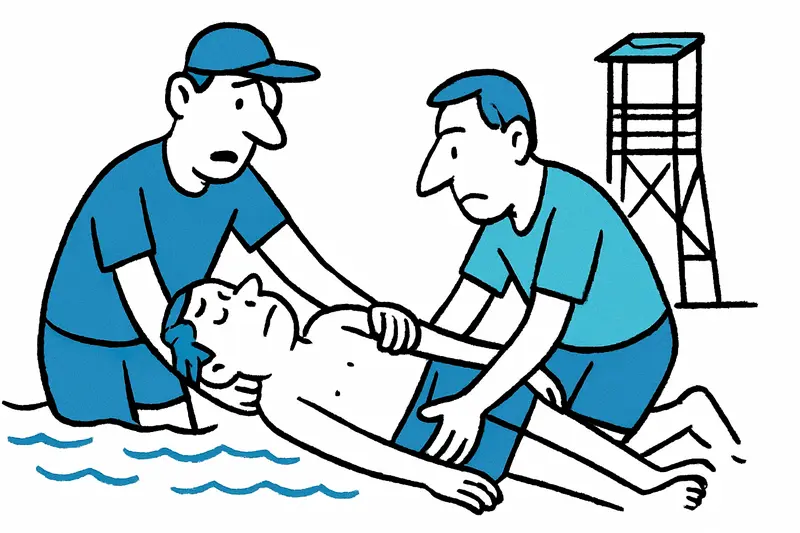
Magaluf: Watchtower Alarm – Lifeguards Pull Unconscious Beachgoer from the Water
After a drama in the late afternoon, two lifeguards at Magaluf beach rescued an unconscious 44-year-old man. He was stab...
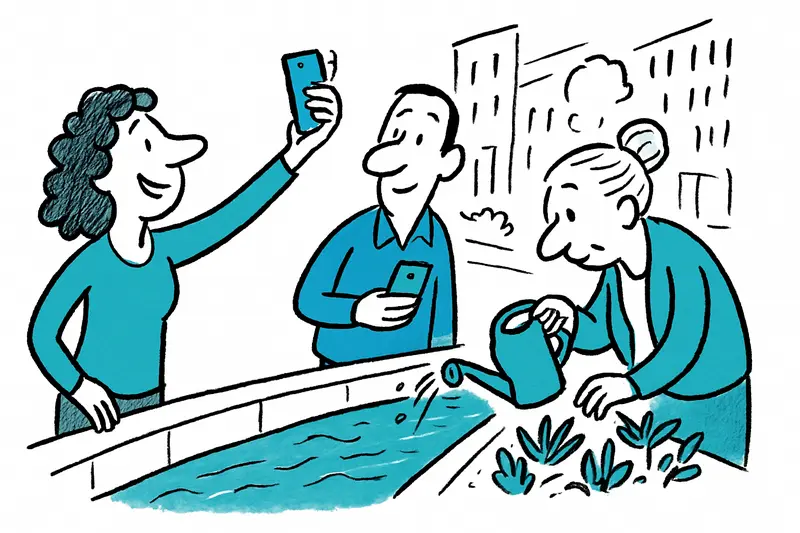
Turquoise in the City: How dangerous is the color play of the Sa Riera?
The Sa Riera in Palma suddenly turned turquoise — a pretty motif, but behind the effect lies a discharge of saline waste...

Jeckliner at Sunnesching: Cologne spirit sets sail from Palma
In September 2027 the Mein Schiff 2 briefly becomes a floating carnival stage: four days with Cologne bands, comedy and ...
Finally Home: Mike and Leyla Heiter Buy Villa with Sea View in Mallorca
The reality TV couple Mike and Leyla Heiter have bought a house in Mallorca with a roof terrace and sea view. An Instagr...
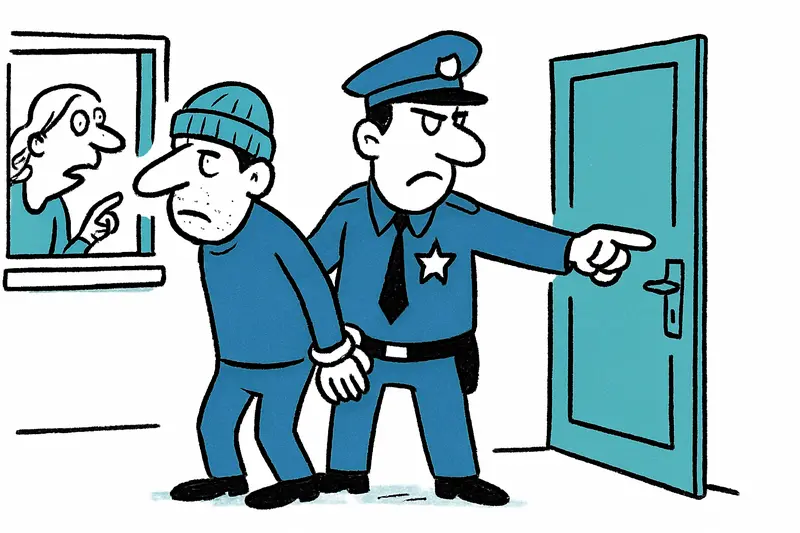
Arrest after series in Palma: Who protects apartments from repeat offenders?
The National Police arrested a man in Palma who investigators say may have broken into several apartments. In one incide...
More to explore
Discover more interesting content

Can Cap de Bou

Townhouse Lleo 72
