
How Much Tourism Can Palma Still Handle? A Reality Check Between Plaça de Cort and the Harbor
How Much Tourism Can Palma Still Handle? A Reality Check Between Plaça de Cort and the Harbor
Cruise ships, guided groups with umbrellas, anti-tourist stickers: what residents see and tourists often don't notice. A critical assessment with everyday scenes and concrete suggestions.
How much tourism can Palma still handle? A reality check between Plaça de Cort and the harbor
A guiding question and a sketch of everyday life
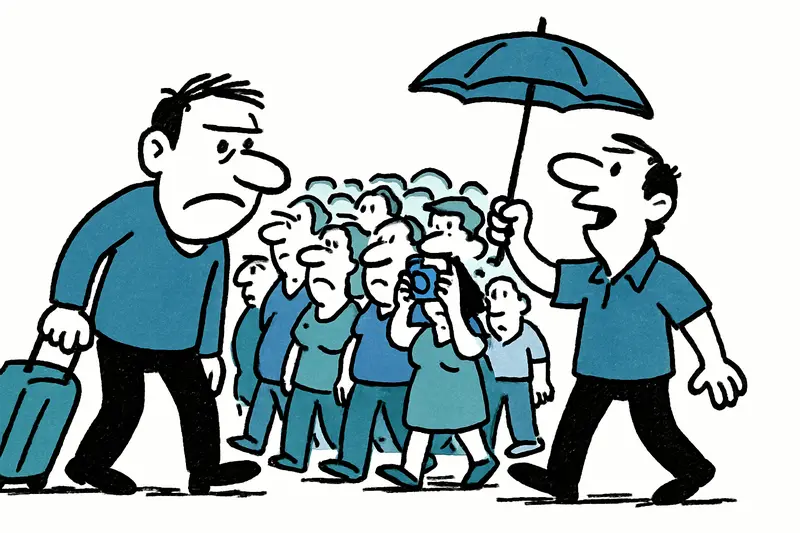
How much tourism can Palma still handle before summer vacations turn into constant stress for residents? On Plaça de Cort in the late morning the question almost seems banal: cruise passengers surge in droves, guides wave red umbrellas, and a market tenant wipes the drizzle remnants from the previous day out of the door frame.
The walk from the square to the cathedral, normally five minutes, stretches into a test of patience. People stop, look up, take photos, and the group with the distinctive umbrellas takes up the entire pavement. Those in a hurry step into the side street, breathe in the smell of freshly brewed coffee and hear the clack of a rolling suitcase against the curb.
Critical analysis: what becomes visible now
That Palma is full of visitors in season is no longer a surprise. What is new is how visibly the points of conflict are piling up: stickers and graffiti on house walls signal discontent; bottlenecks at hotspots are measurable; and in the harbor ships dock early in the morning that release hundreds of people into the old town within a short time, as reported in Four Cruise Giants, One Old Town: Palma Struggles with the Tourist Flood.
The tourists who are here—whether from the UK, Germany or other countries—do not notice many things. Some say, "People are friendly," and that is true. But friendliness is not enough as an answer to structural problems like housing shortages, short-term rentals and the concentration of offers in a few places.
What is often missing from the public debate
The debates are dominated by two simple images: the tourist as blessing and the tourist as plague. There is barely any space in between. There is a lack of clear figures on day-trippers versus overnight guests, an honest breakdown of which revenues stay local, and voices from craftsmen, catering outside the old town and families in inner courtyards who hear the noise at night.
The role of port logistics is also little discussed (Port of Palma Under Pressure: New Harbor Fees Threaten 500 Jobs and the Harbor's Identity): how many cruise ship arrivals could be staggered so that arrival flows do not run through the same narrow streets at peak times? At the regional level, targeted incentives for offerings away from the classic routes are missing.
A concrete everyday scene from Palma
A taxi driver on Passeig Mallorca says he often drives through neighborhoods empty in the mornings because streets are congested and short trips are not worthwhile. A long-established florist on Calle Sant Feliu notes that regular customers come less often because parking is difficult. This coexistence—tourists who want to discover everything, and neighbors who defend their daily routine—symbolizes the current tensions.
Concrete proposals that could work
1) Examine and stagger time windows for cruise ship arrivals so not all ships disgorge passengers into the center at once. 2) Provide arrival information directly at the port: simple directions, recommended routes away from bottlenecks, short behavior tips in several languages. 3) Actively promote slow-travel routes—bike tours, neighborhoods with less foot traffic, discounted museum combination tickets to spread demand. 4) Strictly regulate short-term rentals and channel part of the revenues into local housing programs. 5) More benches, public toilets and trash bins at hotspots so the burden becomes less visible.
What quick measures achieve—and what they don't
Many measures are pragmatic: better port information, managed tours, small infrastructure investments. They provide visible relief. But they do not solve the root causes: the strained housing market and the dependence of some neighborhoods on tourism. That requires long-term planning and clear data.
Punchy conclusion
Palma is not a stage set for postcard photos; it is a living city with residents, craftsmen and noise, with cafés that open early and with lanes that need to breathe. A mix of short-term decongestions and honest, data-based policy can help the city and visitors coexist—without one permanently overwhelming the other.
Frequently asked questions
Is Palma too crowded for tourists in peak season?
What is the best time of day to visit Palma's old town?
How do cruise ship arrivals affect Palma's city centre?
What problems do residents face from tourism in Palma?
Can you still walk from Plaça de Cort to Palma Cathedral easily?
What can Palma do to reduce tourist crowding?
Is Palma still a liveable city for locals?
Where in Palma does tourism pressure feel strongest?
Similar News
Magaluf: Watchtower Alarm – Lifeguards Pull Unconscious Beachgoer from the Water
After a drama in the late afternoon, two lifeguards at Magaluf beach rescued an unconscious 44-year-old man. He was stab...
Turquoise in the City: How dangerous is the color play of the Sa Riera?
The Sa Riera in Palma suddenly turned turquoise — a pretty motif, but behind the effect lies a discharge of saline waste...

Jeckliner at Sunnesching: Cologne spirit sets sail from Palma
In September 2027 the Mein Schiff 2 briefly becomes a floating carnival stage: four days with Cologne bands, comedy and ...
Finally Home: Mike and Leyla Heiter Buy Villa with Sea View in Mallorca
The reality TV couple Mike and Leyla Heiter have bought a house in Mallorca with a roof terrace and sea view. An Instagr...

Arrest after series in Palma: Who protects apartments from repeat offenders?
The National Police arrested a man in Palma who investigators say may have broken into several apartments. In one incide...
More to explore
Discover more interesting content

Can Cap de Bou

Townhouse Lleo 72
