
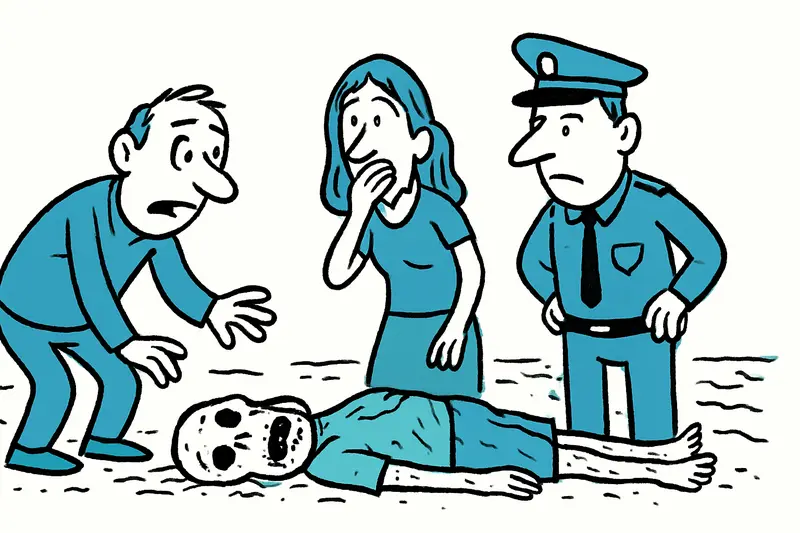
Dead Body at Es Trenc: Third Corpse Found Within a Week Raises Questions
A body has been found again at Es Trenc — already the third discovery within a week. The Civil Guard is investigating and DNA analyses are underway. What does this mean for residents, beachgoers and the search for causes?
Dead body at Es Trenc: Beach closed, questions remain
It was a late afternoon, the sun hung low and the sea smelled of seaweed. Walkers stopped at the edge of the dunes, seagulls cried, and a cool west wind swept over the sand mounds of the Cami des Trenc. Then the report came: another body found at the southern end of the Es Trenc beach, described in a report on the third corpse found within a week at Es Trenc. Within minutes the Civil Guard, an ambulance and emergency teams were on site; parts of the beach were cordoned off.
Rescue teams found only a heavily decomposed body; initial reports indicated that only the torso and one leg remained intact. Fingerprints, personal documents or other simple identification markers were missing. The corpse was taken to the Institute of Forensic Medicine and DNA analyses have been announced. So far neither sex nor age can be determined reliably.
The central question: coincidence or pattern?
This is not the first discovery this week: similar finds have been reported in other parts of the coast, including a body found at the small cove of Es Carnatge and a decomposed male body at the Es Carnatge dog beach. The almost inevitable guiding question is therefore: are these isolated incidents or a pattern — and if so, what kind? Investigators are checking whether the deceased came from boats illegally approaching the island. Sightings of vessel movements in recent days are being urgently reviewed, as are DNA comparisons against international databases.
What is often overlooked in the public debate is the complexity of forensic investigation on a beach. Wind, salt, tides and animals quickly alter and destroy traces; beach areas are open and difficult to control. For forensics this means: fewer leads, longer waiting times, greater uncertainty. At the same time the number of cases leads to administrative bottlenecks — from sample logistics to the capacity of forensic medicine.
Underexposed aspects: between sea rescue, smuggling and coastal surveillance
Another often overlooked point is the logistics of illegal crossings. Small, overloaded boats are used by smuggling networks, and routes vary depending on weather, currents and police presence. The sea off Mallorca is no longer just a tourist area but part of trans-Mediterranean routes. Remote stretches of beach like Es Trenc play a role — less for tourism, more for the seclusion of the dunes.
At the same time there is a tension between humanitarian responsibility and security duties. Those who could rescue early are not always on site: NGOs, sea rescue units and the state coast guard operate with different resources and rules. Better information exchange, agreed alarm chains and clear responsibilities would help save lives — and clarify backgrounds more quickly.
What worries residents and businesses
For beach bar operators and residents the situation is unsettling. Conversations at the end of the Cami show concern: many want to help but feel powerless. Lifeguards have been informed; municipalities put up information boards and advise visitors to report unusual observations immediately. But the psychological burden remains: staff in bars see tourists in the morning and investigators in the evening.
Another worry is the image effect: beaches like Es Trenc live off their reputation as a natural paradise. Repeated finds can reduce trust among regular visitors and neighbours. At the same time it is important to strike a balance between justified concern and hasty conclusions that stigmatise people in need.
Concrete opportunities and approaches
The current situation also offers starting points for improvement: first, faster, coordinated data exchange between the Civil Guard, the coast guard, NGOs and forensic experts — including standardized sample procedures — would accelerate identifications. Second, increased presence at sea on sensitive nights, combined with clear rescue protocols, could save lives. Third, training for beach staff and tourism businesses in recognising and reporting suspicious signs, plus a simple hotline app for eyewitnesses, would reduce response times.
Additionally, municipalities and island authorities should consider preventive information measures: awareness campaigns at ports and small landing sites, cooperation with fishing associations, and likely stronger collaboration with international partners to identify victims.
A call for vigilance — and for humanity
Ongoing investigations will hopefully bring more clarity soon. Until then the scene at Es Trenc remains shockingly present: the wind, the gentle sound of the surf, the cordoning tape and the question of how people in such a state can end up so close to us. It is a sad reminder of the dangers of the sea — and a call to find the balance between protection, investigation and human compassion.
Anyone who observed anything unusual on the relevant weekend — a small boat, people on the beach or unusual objects in the water — is asked to contact the Civil Guard immediately. Any information may help clarify identities and reveal possible connections.
Frequently asked questions
Is Es Trenc in Mallorca closed after a body was found on the beach?
What happens when a body is found on a Mallorca beach like Es Trenc?
Why can identification take so long after a body is found near Mallorca's coast?
Could bodies found near Es Trenc in Mallorca be linked to boat arrivals?
What should I do if I see something unusual on a Mallorca beach?
Why are repeated body discoveries around Mallorca's coast worrying for residents?
What is Es Carnatge in Mallorca known for in this investigation?
Is it safe to visit Es Trenc in Mallorca after the recent incident?
Similar News
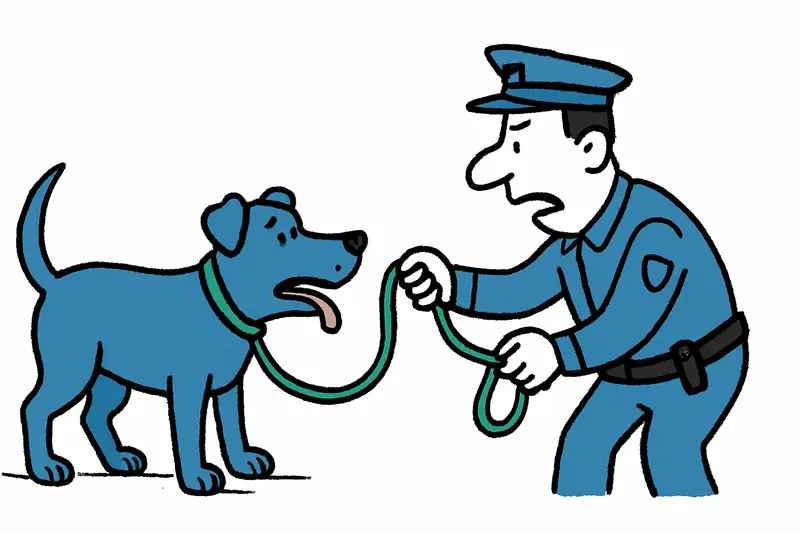
Loose dog on the MA-19: Rescue — and an uncomfortable question
A large dog ran across the carriageway of the MA-19 near exit 12 on Sunday morning. The Local Police captured the animal...
Cala Rajada: Why the "Sharky's" Keeps Closing — a Reality Check
The "Sharky's" at Cala Agulla is vacant again. High takeover price, expensive rent and a damaged reputation: What is rea...
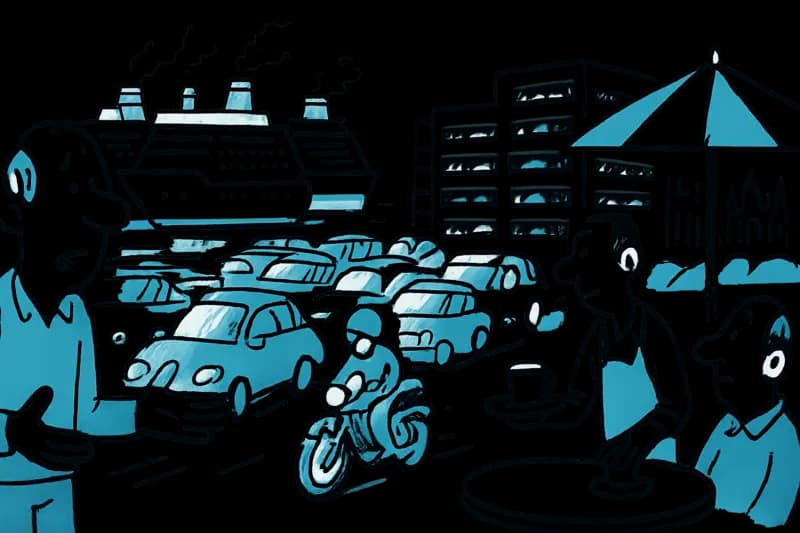
Palma at the Limit: Four Cruise Ships, Full Parking Garages — Where to Put the City?
Over the long weekend Palma burst at the seams in several places: four cruise ships in the port, kilometer-long queues a...
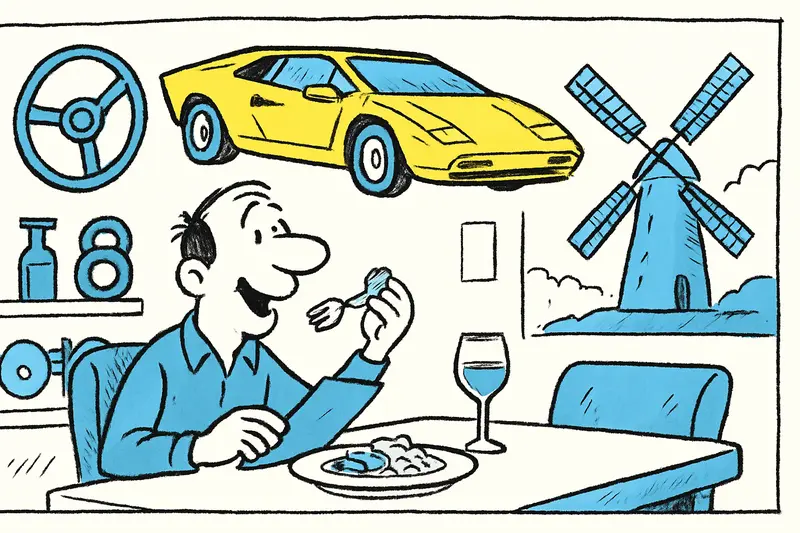
MotorWorld Inn near Palma: Food, Ambience and Why It's Worth a Visit
A restaurant that blends car passion and food: we tried MotorWorld Inn near Palma. Atmosphere, dishes and a few tips for...
Handover by the Water: Why 'Sharky’s' in Cala Rajada Is Up for Sale Again
A sports bar at Cala Agulla, opened in 2024, closed shortly after, briefly revived in 2026 — now the venue is up for tak...
More to explore
Discover more interesting content

Can Cap de Bou

Townhouse Lleo 72
