
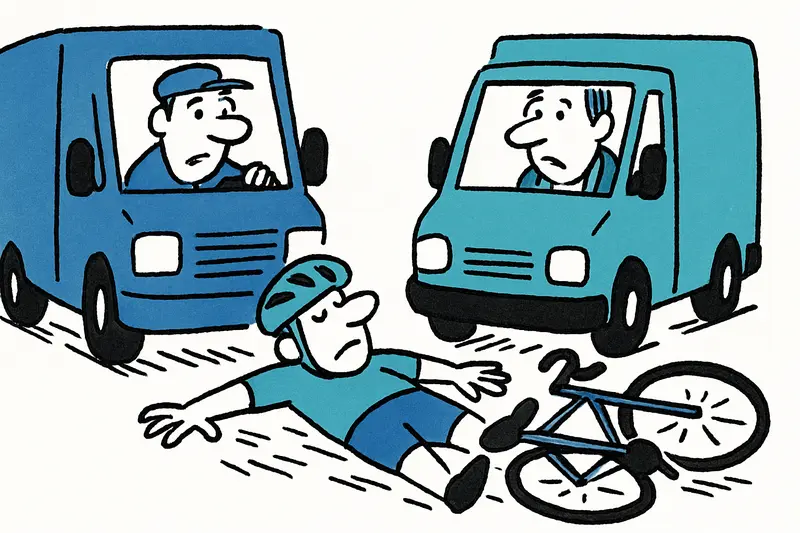
Overrun by Two Vans: Cyclist Killed on the Country Road near Santa Maria del Camí — A Reality Check for the Island's Road Safety
Overrun by Two Vans: Cyclist Killed on the Country Road near Santa Maria del Camí — A Reality Check for the Island's Road Safety
A foreign cyclist died after being struck by two vans on the connecting road between Santa Maria and Santa Eugènia. A reality check on the safety of Mallorca's country roads.
Overrun by Two Vans: Cyclist Killed on the Country Road near Santa Maria del Camí — A Reality Check for the Island's Road Safety
Key question: How safe are Mallorca's country roads for cyclists — and why do such accidents keep happening?
Early on Friday morning, on the connecting road between Santa Maria del Camí and Santa Eugènia, a bike ride ended in tragedy: a roughly 40-year-old cyclist from abroad died at the scene after entering a busy road and being struck by two oncoming vans. Emergency services arrived quickly, but the injuries were so severe that aid could no longer help. The Guardia Civil has launched an investigation to clarify the exact sequence of events, as it did after Serious accident near Santa Eugènia: How could it come to this?.
Critical analysis: The outline of the accident is short, but the problems remain long-term. A stop sign was apparently ignored — that is a tangible cause. Behind that, however, are several systemic factors: poor visibility at junctions, queuing agricultural traffic, high service pressure on narrow roads and a mix of fast motor vehicles and vulnerable cyclists. Added to this is that many cyclists are visitors, mobile on rental bikes, often without local knowledge or accustomed traffic behavior.
What is missing in public discourse: concrete figures on accident frequency at specific junctions, mapped danger spots for cycling and an honest debate about the culture of liability. Too rarely is a distinction made between individual negligence and structural shortcomings, as documented in Second fatal accident on the Camí de la Síquia — Why does this stretch remain dangerous?. Information for tourists about local traffic rules at country-road junctions is also lacking: where to stop, who has priority, which routes to avoid in the low season.
A typical daily observation from Santa Maria: on a normal morning you see groups of road bikes, locals with baskets and delivery vans heading to the olive farms. Pastries on the plaza smell of freshly baked ensaimada, dogs bark, a tractor struggles up the hill — and in the middle of it the traffic often squeezes along the narrow connecting road. It is precisely in these moments that dangerous encounters occur. Similar recent incidents, such as Serious Traffic Saturday: Cyclist Dies in Selva, Motorcycle Crash in Sóller Tunnel, underline the pattern.
Concrete solutions, not platitudes: First, improve visibility at junctions — bright, reflective road markings, additional stop lines and larger stop signs with supplementary plates can help. Second, reduce speeds — temporary mobile speed cameras and lower speed limits in sections where there is significant bicycle traffic. Third, structural measures — islands or lowered crossings at critical entries reduce the conflict area between vehicles and cyclists. Fourth, tourism-driven information — bike rental companies and hotels should hand out clear behavioral guidance: key junctions, recommended routes, local rules. Fifth, targeted enforcement — more frequent traffic controls by the Guardia Civil and local police in known problem zones, combined with publicly visible sanctions for dangerous driving behavior.
There also needs to be a connected danger map: municipalities, police and cycling associations jointly disclose all serious accidents and closely matched near misses so authorities can make targeted upgrades. Such a map allows prioritization: which junctions first? Which routes should be closed to heavy transport in one direction? Which sections need separate bike lanes?
Political responsibility is not just about putting up signs. It means providing funds for sensible infrastructure and improving coordination between municipalities: Santa Maria, Santa Eugènia and neighboring towns must align traffic planning — cycling does not stop at municipal borders. Recurring cases such as Fatal accident on the Ma-19 near Llucmajor: Why motorcyclists are repeatedly affected show the consequences of fragmented planning.
Punchy conclusion: Tragedies like this are not acts of nature. They are the result of gaps — in infrastructure, information and enforcement. A stop sign is not a test of local knowledge but a last line of defense; when it fails, we must strengthen the other layers. For the people who ride their rounds in the morning, for families whose holiday should not end this way, and for our villages: it is not enough to lament. Measures are needed that are visible and locally implementable.
The Guardia Civil continues its investigation. Until results are available, an uneasy certainty remains: anyone who wants to travel safely on Mallorca's roads in future needs clearer rules, better streets and more presence — and the willingness of everyone not to place the risk solely on cyclists.
Frequently asked questions
How safe are Mallorca country roads for cyclists?
What makes junctions on Mallorca rural roads so dangerous?
When is cycling on Mallorca country roads least busy?
What should tourists know about cycling safely in Mallorca?
What kind of road changes could make Mallorca safer for cyclists?
What happened on the road between Santa Maria del Camí and Santa Eugènia?
Is Santa Maria del Camí a risky area for cyclists?
How can Mallorca reduce serious cycling accidents on rural roads?
Similar News
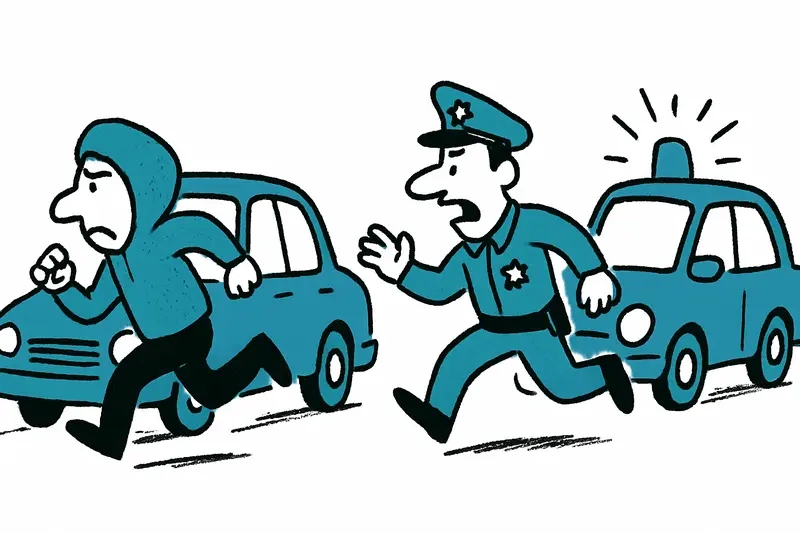
Rental Car Theft in El Arenal: What This Incident Reveals About Our Gaps
A teenager steals a running rental car in El Arenal, flees on foot, climbs over walls and is caught by the Guardia Civil...
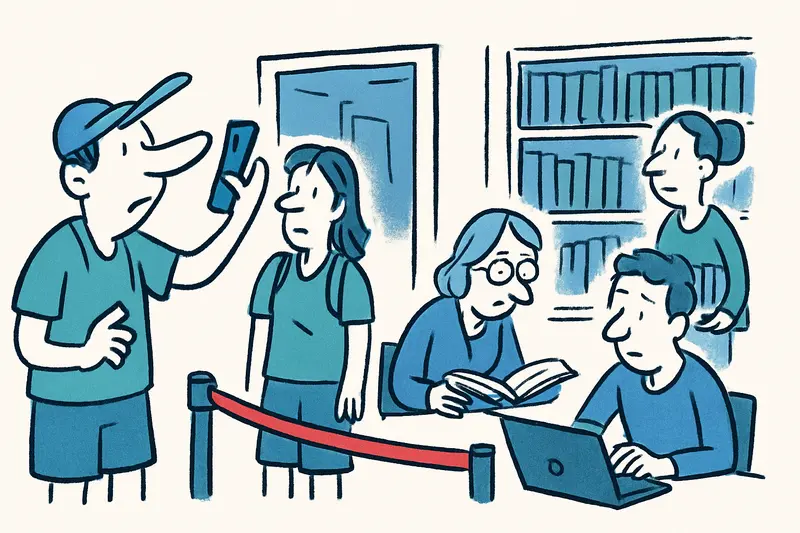
Red Rope in Palma's Library: What Helps Against Selfie Tourism — and What's Missing
Palma's city library cordoned off an area with a red rope to keep selfie tourism away from reading and working activitie...
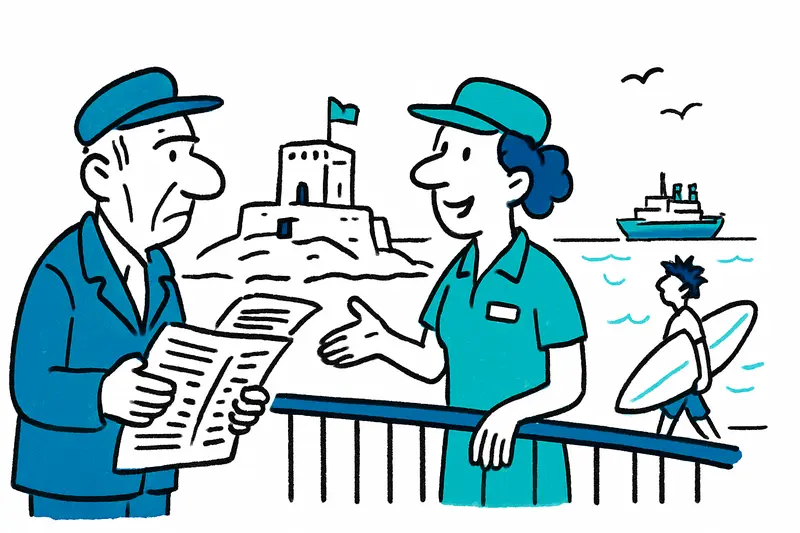
Fort San Carlos: Museum, Harbor Dispute — and a Conflict That Demands Answers
The military museum at Fort San Carlos sits right on Palma's harbor, with unexpectedly quiet rooms filled with cannons a...
Old Town Under Pressure: When a Doorway Becomes a Sleeping and Shower Place
For months a woman has been living with a parasol, a clothes rack and personal belongings next to the social welfare off...
When Shopping Weighs Heavier: Mallorca Demands a Tax Pause on Food and Fuel
Rising prices are putting pressure on households and agriculture. The Balearic Islands are calling for temporary tax rel...
More to explore
Discover more interesting content

Can Cap de Bou

Townhouse Lleo 72
