
Deadly accident near Santa María: What's going wrong on Mallorca's rural roads?
Deadly accident near Santa María: What's going wrong on Mallorca's rural roads?
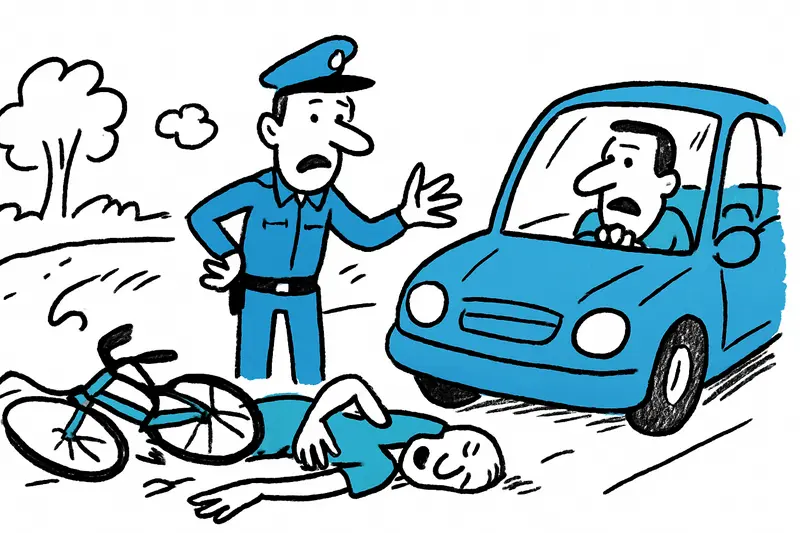
A roughly 50-year-old cyclist was struck by a car yesterday morning on the old country road between Inca and Palma (near Santa María) and died at the scene. The Guardia Civil is investigating. We ask: Is the responsibility solely with the driver — or with the road environment?
Deadly accident near Santa María: What's going wrong on Mallorca's rural roads?
Yesterday at around 10:30 a.m. on the old country road between Inca and Palma, at the height of Santa María, a roughly 50-year-old cyclist died in a collision with a car. Emergency services arrived quickly but were unable to save the man's life. The Guardia Civil has opened an investigation.
Key question
Who bears responsibility when cyclists die on our rural roads — the individual road user, the infrastructure, or the interaction of both?
Critical analysis
Very different mobility worlds intersect on Mallorca: delivery vans and agricultural vehicles, commuter cars, tourists in rental cars and bicycles. Many connecting roads were not originally designed for today's mixed traffic. Narrow road space, missing shoulders and high permitted speeds create dangerous conditions. Even though the specific cause of yesterday's accident is still under investigation, the case fits a pattern: in collisions between cars and bicycles the combination of speed, lack of space and inadequate infrastructure often leads to severe injuries. This pattern is visible in other recent incidents, for example the Serious Traffic Saturday: Cyclist Dies in Selva, Motorcycle Crash in Sóller Tunnel.
What is often missing from the public discourse
We talk a lot about individual cases and less about the underlying structures. Continuous, accessible accident statistics at the district or municipal level that show which stretches are particularly risky are missing. Equally rare is the discussion about the everyday responsibility of decision-makers: who funds the wider shoulder, who plans safe crossings in towns, who takes care of regular cleaning and road markings? On the road one also seldom hears the voices of those who travel daily — for example tradespeople, bakery delivery drivers or commuters who know the dangers on certain sections. The lack of consolidated reporting is illustrated by coverage such as Three serious accidents in one night: What's wrong with Mallorca's country roads?.
A scene from the site
Imagine the road: a short section without a guardrail, sunken pavement at the edge, an olive tree casting shadow on the carriageway. In the morning a delivery van with an open box drives by, a tourist hesitantly overtakes, a school bus approaches in the distance. Cyclists use the narrow shoulder, some with reflective vests, others in everyday clothing. This is what everyday life looks like on many connecting roads — and this is how risky encounters arise that often take only a moment to end tragically.
Concrete solutions
1) Short term: reduced-speed sections and mobile speed controls on known danger stretches; highly visible markings and mobile protective barriers along particularly narrow sections. 2) Medium term: expansion of shoulders or protected cycle paths as part of all renovation projects, not as an add-on. 3) Expansion of accident and hazard mapping at municipal and island level so measures can be prioritized based on data. 4) Increase visibility: stronger communication and, where possible, promotion of the obligation to use reflectors and high-visibility clothing on journeys outside built-up areas. 5) Prevention and training: targeted campaigns for drivers of delivery and agricultural vehicles and training for cyclists on how to behave safely on rural roads. 6) Improve the rescue chain: clearer signage of emergency access routes, training for rescue services on hard-to-reach rural roads and strengthened cooperation between municipalities and the Guardia Civil.
Conclusion
This accident is more than sad news: it is a reminder that mobility on Mallorca must be made safer — not only with appeals, but with concrete planning, clear prioritization and limited resources targeted where people actually ride. Recent reporting such as the Head-on Crash near Manacor: Two Dead, Questions Remain underscores the urgency. Anyone who uses the old country road between Inca and Palma in the morning wants to arrive — alive. Our roads deserve more than sympathy; they need protection.
Frequently asked questions
Why are Mallorca's rural roads often considered dangerous for cyclists?
What should cyclists wear when riding outside towns in Mallorca?
Is the road between Inca and Palma safe for cyclists?
What usually causes serious cyclist accidents on Mallorca's country roads?
What can drivers do to avoid accidents with cyclists on Mallorca's rural roads?
Why do some Mallorca roads feel too narrow for today's traffic?
Who is responsible for making rural roads safer in Mallorca?
What improvements would make Mallorca's country roads safer for cyclists?
Similar News
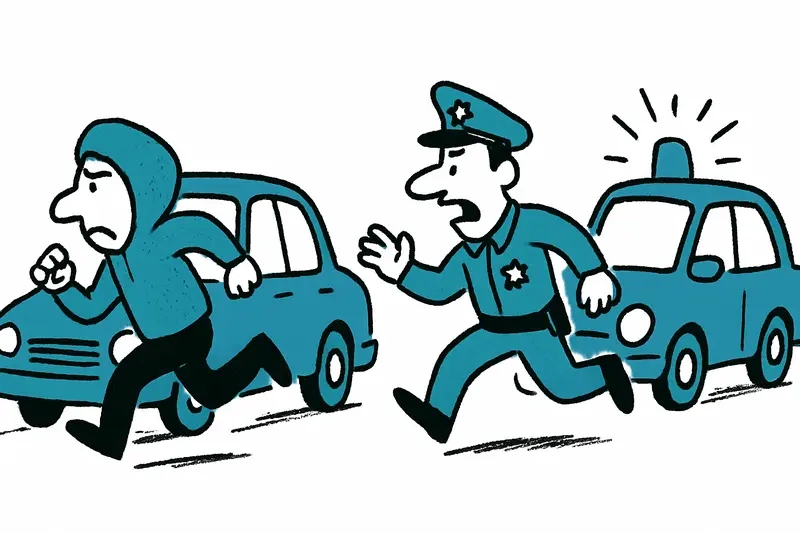
Rental Car Theft in El Arenal: What This Incident Reveals About Our Gaps
A teenager steals a running rental car in El Arenal, flees on foot, climbs over walls and is caught by the Guardia Civil...
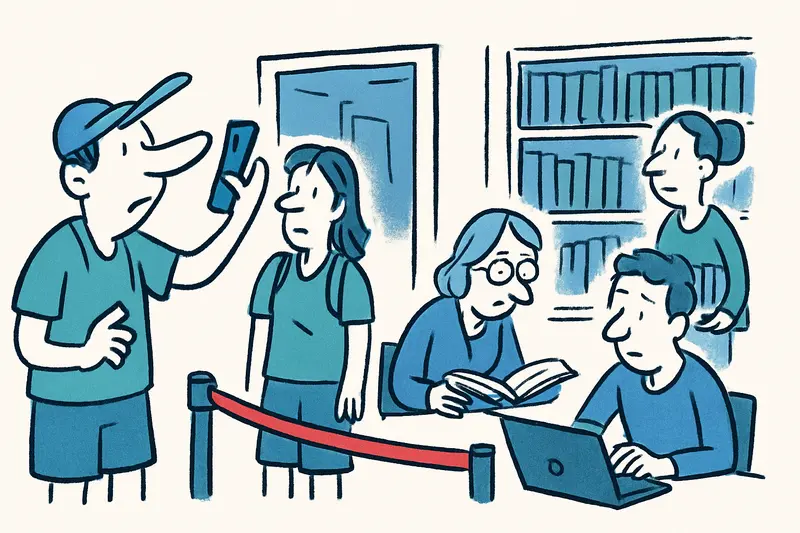
Red Rope in Palma's Library: What Helps Against Selfie Tourism — and What's Missing
Palma's city library cordoned off an area with a red rope to keep selfie tourism away from reading and working activitie...
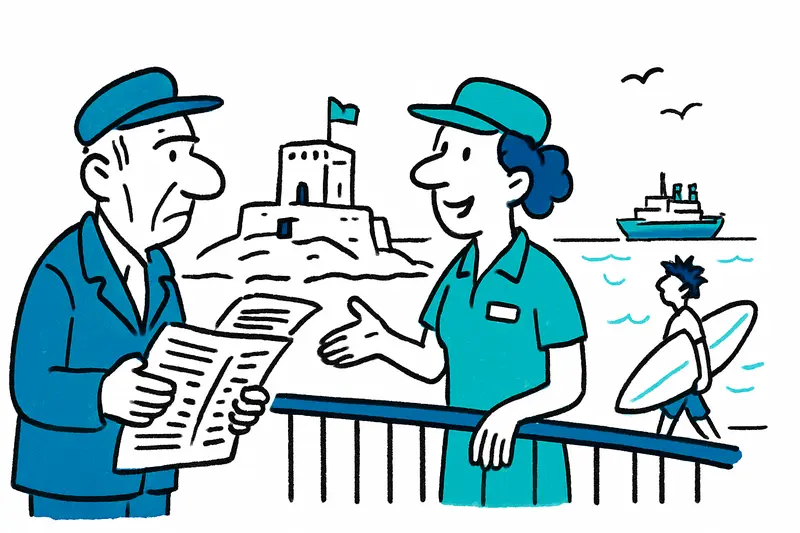
Fort San Carlos: Museum, Harbor Dispute — and a Conflict That Demands Answers
The military museum at Fort San Carlos sits right on Palma's harbor, with unexpectedly quiet rooms filled with cannons a...
Old Town Under Pressure: When a Doorway Becomes a Sleeping and Shower Place
For months a woman has been living with a parasol, a clothes rack and personal belongings next to the social welfare off...
When Shopping Weighs Heavier: Mallorca Demands a Tax Pause on Food and Fuel
Rising prices are putting pressure on households and agriculture. The Balearic Islands are calling for temporary tax rel...
More to explore
Discover more interesting content

Can Cap de Bou

Townhouse Lleo 72
