
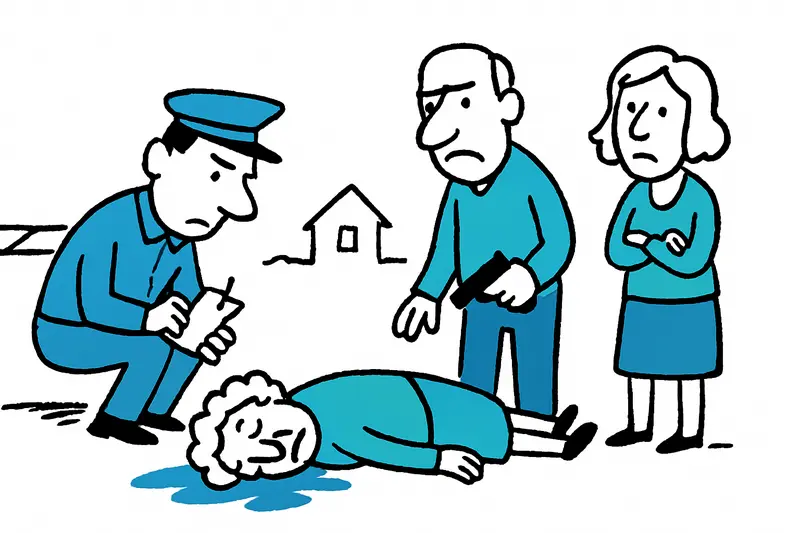
Death in Costa del Silencio: When family turns to violence — what lessons must the community learn?
An 82-year-old German resident was shot dead in Tenerife; her 53-year-old son was arrested. What does this case reveal about domestic isolation, firearms and neighbourhood responsibility? A critical perspective for Mallorca readers.
Death in Costa del Silencio: When family turns to violence — what lessons must the community learn?
An 82-year-old German resident was shot on Tenerife, and her 53-year-old son was arrested. Investigations are ongoing.
The bare facts are chillingly simple: In Costa del Silencio on Tenerife an 82-year-old woman was found dead (When the Surf Strikes: Deaths in Tenerife – What Mallorca Must Learn). Neighbours reportedly heard gunshots and alerted the police. Investigators found several shell casings at the scene; later the woman's 53-year-old son was detained after fleeing in a car with the weapon. According to reports, the alleged perpetrator left a handwritten note with an apology. Authorities confirm the investigation is ongoing and the motive remains unclear.
Main question: What happens within families and neighbourhoods that a conflict can escalate like this — and what must island communities like ours learn from it? This is a question that concerns anyone who lives here with elderly relatives or with neighbours who are on their own (Fatal Discovery in Son Macià: A Case Raising Questions about Protecting Older People).
Critical analysis: On the Canary Islands as on Mallorca many older residents live in relatively closed housing complexes. Loneliness, untreated mental health problems, disputes over inheritance or care costs — these are known risk factors that are rarely openly discussed (Shock in Costitx: Knife Attack on Ex-Partner — What Fails in the Protection System). That several shots were fired and shell casings remained raises technical and organisational questions: How did the firearm owner access the weapon? Was it legally registered or not? How quickly could police and emergency services get to the scene? Too many answers are missing because investigation files and backgrounds will only be clarified at a later time.
What is missing from public discourse: We talk a lot about tourism, traffic problems and overcrowding, but hardly about domestic conflicts among older residents. On Mallorca you often see pensioners sipping their café con leche on Passeig Mallorca in the morning, flipping through the newspaper and greeting each other. This small everyday world suggests safety. Behind the doors, however, bottlenecks of problems arise: lack of care places, financial tensions, language barriers among German residents and poor interfaces between social services and family doctors. What is missing is regular, respectful prevention — not sensational reporting, but networks that pick up signals early.
Everyday scene from here: Yesterday I stood in the café opposite our editorial office on Passeig Mallorca. An older man fed pigeons, a shop assistant swept the entrance, two women exchanged recipes for chicken soup. No one expects a gunshot on such a morning. It is precisely this routine that makes it hard to recognise warning signs — the neighbour's loud conversations, the unanswered phone, missed appointments. As neighbours we must learn to look more closely without being nosy or intrusive.
Concrete solutions: First, promote municipal prevention: regular home visits by social services for elderly people living alone must be easier to request and better funded. Second, low-threshold conflict mediation: family disputes are not isolated cases; mediation services should also be available in German. Third, review firearms safety: authorities could step up checks on how weapons are stored and registered on the islands — of course within legal limits. Fourth, strengthen neighbourhood networks: community groups, churches and clubs can offer training on how to recognise warning signs and who to contact. Fifth, better interfaces between family doctors, care services and police: if there are indications of escalating family conflicts, quick risk assessments should be possible.
Practically, this means: a call to the health centre or social services must be easy for relatives or concerned neighbours; clear points of contact and multilingual hotlines would be a start. On islands with many residents from different backgrounds information about help services should be distributed regularly in several languages — not only online but also on noticeboards in supermarkets, pharmacies and churches.
Pithy conclusion: The incident in Costa del Silencio is only solved when the files are closed. Until then it remains a warning: violence often arises from a dense web of loneliness, disputes and lack of support. We cannot prevent every tragedy, but we can make sure fewer people are isolated and left without help. For Mallorca this means concretely: look more closely, act faster, foster communal solidarity instead of indifference. Only then can we create an island society in which a solitary gunshot does not become a final cry for help.
Frequently asked questions
What can Mallorca residents learn from the fatal case in Costa del Silencio?
How can neighbours on Mallorca spot warning signs in an elderly household?
Why are older people sometimes at higher risk in family conflicts?
What support is available in Mallorca for families dealing with serious tension at home?
How can Mallorca communities help older people who live alone?
What should I do in Mallorca if I am worried about an elderly neighbour?
Are there risks linked to firearms storage on island communities like Mallorca?
Why do incidents like this matter for daily life in Mallorca?
Similar News
Reality check: Palma's "white" torrent — harmless salt or neglected warning sign?
White crusts on the Torrent de Sa Riera are causing a stir. Emaya describes them as salt deposits. Our reality check: wh...
When Ryanair's fleet grows: What Mallorca's travelers should know
Ryanair will soon receive 737 Max 10 jets. The larger aircraft offer potential savings — but also new risks for flight o...
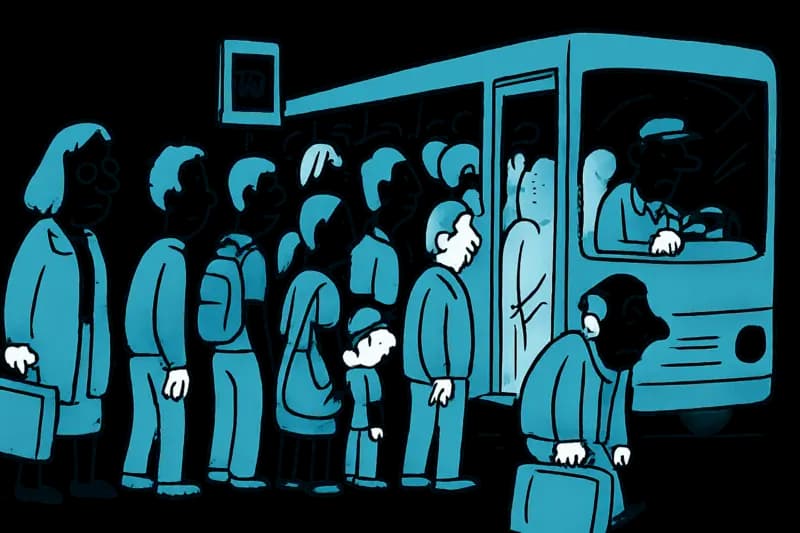
Rising fuel and housing costs: Why Mallorca's overland buses are suddenly overcrowded
More and more people are leaving Palma — and boarding TIB buses: Between January and August 2026, the network recorded o...
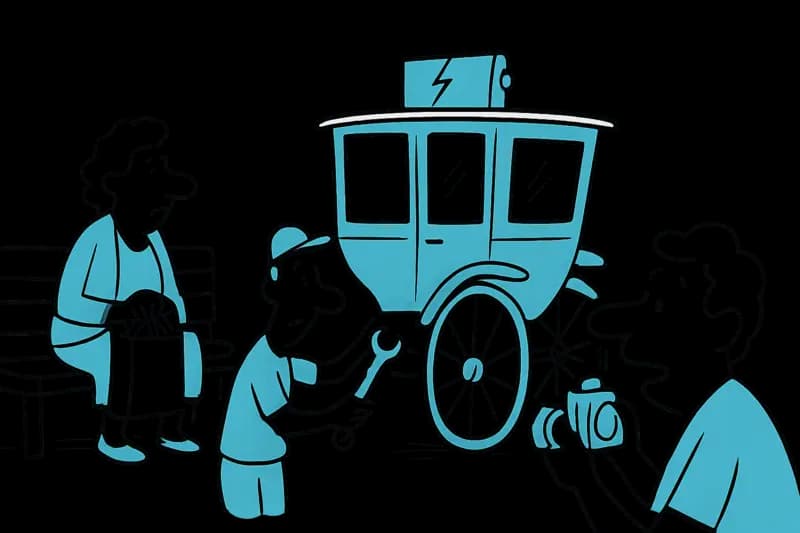
Carriages Without Horses: Palma Plans E-Carriages – a Reality Check
Palma plans to switch to electric carriages in 2027. The prototype was shown near the cathedral. What is the technology ...

Record season, empty coffers: Who really benefits from the tourism boom?
Full hotels and more flights: the numbers sound impressive — yet many locals feel no benefit. A reality check with an ev...
More to explore
Discover more interesting content

Can Cap de Bou

Townhouse Lleo 72
