
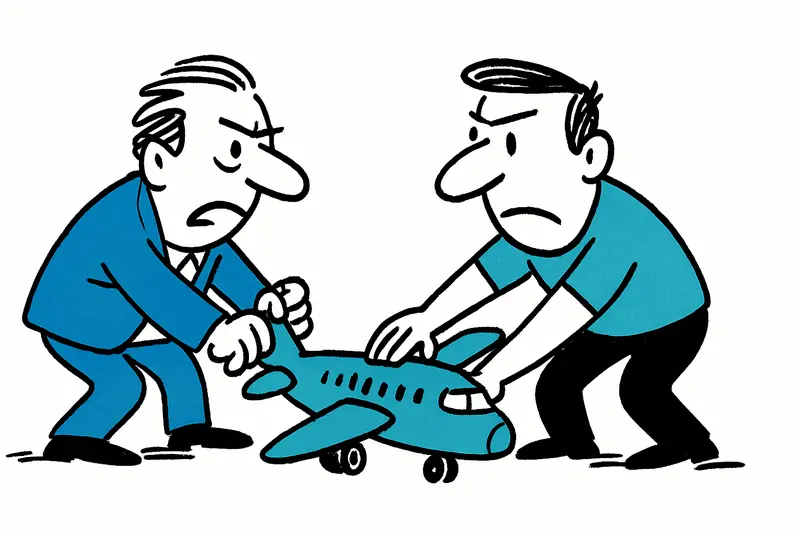
Who Runs Palma Airport? A Reality Check on the Struggle Over Competence and Control
Who Runs Palma Airport? A Reality Check on the Struggle Over Competence and Control
Madrid, the Balearic Islands and other regions are disputing co-determination at airports. What does that mean for operations in Palma, for holidaymakers and for the island's economy? A critical look with practical solutions from everyday life in Mallorca.
Who Runs Palma Airport? A Reality Check on the Struggle Over Competence and Control
Key question: Who makes the decisions at Palma Airport — Madrid via Aena, the Balearic government or eventually the island itself?
In Palma you sometimes sit early in the morning at a café on the Plaça d'Espanya, hear the city wake up and notice: the airport is omnipresent. Taxi drivers at Terminal C talk about delays reported in Who Is to Blame? Dispute Between Ryanair and Air Traffic Control Causes Trouble in Palma, a hotel concierge complains about changing slot rules, and at the port tour operators watch the flight arrivals. Behind these everyday conversations lies a larger conflict: national responsibilities versus regional claims.
Fact: The state-owned company Aena holds the majority shares in the Spanish airport network. In Madrid the argument is that the system must remain unified. On the regional side, demands are forming for greater say or for their own airport institutions. When regions like the Basque Country or Catalonia take independent paths, this awakens desires in other autonomous communities — including the Balearic Islands.
Critical analysis: At first glance the struggle over airports seems like political power play. But a closer look reveals real technical and economic pinch points. Airports are not just runways and gates. They are complex networks of slot management, security requirements, Palma before the departure chaos: Ground staff strike plans put the island to the test, investment plans and contractual relationships with airlines, handling companies and retailers. A partial transfer of competencies without precise regulations can disrupt operational processes — and in the short term affect travelers and businesses.
What is missing in the public debate: three issues are hardly discussed. First: the role of traffic management — i.e., who can react quickly to traffic flows when Storm Chaos in Palma: Why a Storm Slows the Airport So Much — and What Needs to Change or technical faults occur. Second: the financial logic behind investments — who pays for expansions, where do funds for terminal modernisation come from and how are charges redistributed within the network? Third: coordination with EU regulations and international agreements that set security and competition standards. Without clear answers political demands look like wish lists.
Everyday scene: On a Tuesday evening traffic on the Vía Cintura slows because additional buses are unloading passengers at the airport. A bus driver mumbles that every change in the flight schedule disrupts his planning. Such small shifts add up — they are what Mallorca would feel in summer if decision-making paths lengthen or responsibilities remain unclear.
Concrete practical approaches so politics does not slow down technical operations:
1) Clear matrix of responsibilities: A binding document that precisely records which operational decisions Aena makes and which regional authorities may participate in land issues, ground infrastructure and tourism-related arrangements. No vague compromises.
2) Pilot model for partial competencies: Instead of blanket "co-administration", run pilot projects assigning responsibility for non-critical areas (e.g. parking management, local shuttle services, marketing). This tests whether co-determination works in practice without endangering the network.
3) Investment fund with participation rights: A jointly managed fund into which state and region pay. It finances upgrades to the regionally relevant parts of the airport. Transparent disbursement rules prevent political poker.
4) Technical task force: A permanent body of airport operations staff, airlines, port and tourism representatives. Task: coordinated response to disruptions, aligned slot allocation and capacity planning.
5) Arbitration mechanism: Fast, legally binding mediation for conflicts between Aena and regions. Lengthy court proceedings are the last thing a terminal needs.
Why this matters: Mallorca depends on predictable arrivals — hotels, charter companies and restaurants plan weeks, sometimes months in advance. Unclear responsibilities increase business risk. Tourists notice it in longer transfer times, mishandled baggage or worse connections. For locals it often just means more noise and traffic without clear benefit.
Pointed conclusion: It's not about symbolic sovereignty, but about how a technical system can be led in a stable, efficient and transparent way. Politics must not distort the system, but it has the right to legitimately introduce regional interests. A mix of clear rules, practical tests and constructive cooperation protects flight operations — and therefore what Mallorca needs most: reliable connections to the world and a predictable livelihood for the island.
If someone in Palma raises a glass of Hierbas at the harbor, it is not against bureaucracy — rather against uncertainty at the gate. Those who take that seriously build bridges, not barriers.
Frequently asked questions
Who actually runs Palma Airport in Mallorca?
Why does airport management matter so much for Mallorca?
Could Mallorca get more control over Palma Airport in the future?
What problems can happen if Palma Airport responsibilities are unclear?
What are the main issues in the debate over Palma Airport control?
How would changes at Palma Airport affect tourists in Mallorca?
What practical solution is being suggested for Palma Airport governance?
Why is coordination between Madrid and Mallorca so important for the airport?
Similar News
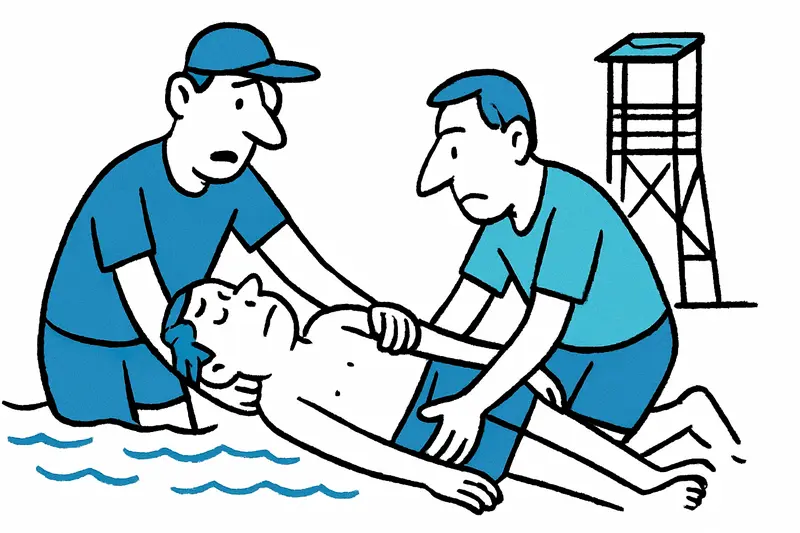
Magaluf: Watchtower Alarm – Lifeguards Pull Unconscious Beachgoer from the Water
After a drama in the late afternoon, two lifeguards at Magaluf beach rescued an unconscious 44-year-old man. He was stab...

Turquoise in the City: How dangerous is the color play of the Sa Riera?
The Sa Riera in Palma suddenly turned turquoise — a pretty motif, but behind the effect lies a discharge of saline waste...

Jeckliner at Sunnesching: Cologne spirit sets sail from Palma
In September 2027 the Mein Schiff 2 briefly becomes a floating carnival stage: four days with Cologne bands, comedy and ...
Finally Home: Mike and Leyla Heiter Buy Villa with Sea View in Mallorca
The reality TV couple Mike and Leyla Heiter have bought a house in Mallorca with a roof terrace and sea view. An Instagr...

Arrest after series in Palma: Who protects apartments from repeat offenders?
The National Police arrested a man in Palma who investigators say may have broken into several apartments. In one incide...
More to explore
Discover more interesting content

Can Cap de Bou

Townhouse Lleo 72
