
After the Death of the Main Defendant: What Happens Now in the International Fraud Case
The 64-year-old main defendant in the alleged fraud network has died unexpectedly. For the victims in Mallorca and Sweden pressing questions now arise: Does the case stop, who takes care of seized assets and how will cross-border clarification be maintained?
After the Death of the Main Defendant: What Happens Now in the International Fraud Case
Key question: What does the sudden death of the 64-year-old main defendant mean for the victims, the investigations and the chances of recovering money in Mallorca and Sweden?
A few weeks ago a piece of news broke out of the usual flow in Palma and Santa Ponsa: the man who had been arrested in a raid in Mallorca in October 2025, as reported in Three arrests in Mallorca: What lies behind the alleged international bank fraud, and who had been assigned central roles in a large cross-border fraud case has, according to sources close to him, died of heart failure. According to current knowledge the case affects dozens of victims in Sweden — at least 43 people with a combined damage of around €1.2 million — as well as at least one person in Mallorca claiming an individual loss of more than €310,000. Investigations against several people arrested are continuing.
Critical analysis: The death of the accused changes the legal situation. Criminal proceedings against deceased persons are generally not continued; the criminal prosecution of this person is therefore effectively over. That must not be equated with an end to clarification. Leads, witness statements, seized documents and account movements remain important starting points for investigators. What matters is how quickly and transparently the authorities provide information on the status of the investigations, the whereabouts of seized assets and possible claims by the victims.
What is missing from the public discourse: So far information has focused on the arrest and the death of the main defendant. Little discussed are the steps taken to secure and realize potential assets, how cooperation between Spanish and Swedish authorities is proceeding, and whether victims in Mallorca are receiving support to pursue civil claims, an issue explored in Palma on Trial: The Major Real Estate Fraud and the Question of Justice. It is also unclear whether the cause of death has been officially confirmed and whether forensic examinations can still assist investigators.
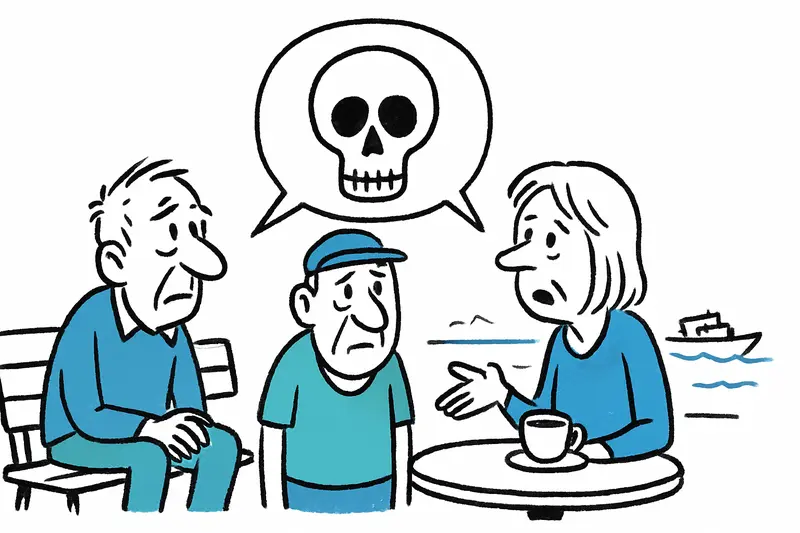
An everyday scene: On a morning in Santa Ponsa, where one of the residences was searched, pensioners sit on benches along the promenade and discuss in the strong summer light and to the dull roar of motorboats what will happen to their money. In the café on Carrer de la Platja a middle-aged woman calculates: “If someone loses that much, they at least want to know whether they’ll get anything back.” Such conversations show: for victims the legal explanation is often secondary to concrete questions about financial survival.
Concrete solutions: First, the responsible investigators and the public prosecutor should inform clearly and promptly about the status of the proceedings — not with sensational words, but with facts: Which seizures exist? Were bank accounts frozen? Second, a coordinated cross-border body is needed to bring together victims from Sweden and Spain and to explain available legal avenues, as argued in Palma and the Extortionists: How a Phone Call Changes Lives — and What Must Happen Now. Third, victim organizations or ombuds services should be supported in enforcing civil claims in practice, for example through lists of specialised lawyers and information days in places like Palma or Calvià. Fourth, it should be examined whether investigations against further suspects can be accelerated — not for symbolism, but so that lines of evidence are not lost through the passage of time and unresolved transactions.
A point often overlooked: The death of a central person can break chains of evidence because they can no longer be questioned; but it is also possible that documents and electronic traces seized during the raid provide clues to co-conspirators. Therefore it is fatal to focus solely on the personalization of the case. The public prosecutor and investigators must show that the matter is bigger than a single name.
Conclusion: For victims and for the island community at large the end of a person is not the end of responsibility. Clarifying and making amends for financial damage requires more than headlines — it requires organisation, transparency and cross-border cooperation. The authorities in Mallorca and Sweden are now obliged not only to manage files, but to open active paths to secure funds, enforce claims and offer affected people perspectives. As long as that is not visibly happening, many people on the island and across the seas will be left with questions, anger and the feeling of being abandoned.
Local aftermath: The raid on 2 October 2025 affected residences in Santa Ponsa and Son Espanyol; at the time three people were provisionally arrested, including the Swedish couple and a British co-defendant. Whether and how the documents seized then are now being analysed and incorporated into ongoing investigations will be decisive for the victims.
Frequently asked questions
When is the best time of year to visit Mallorca for sunny weather and outdoor activities?
What should I pack for a trip to Mallorca in spring or summer?
How does Mallorca's weather change across the seasons, and what should I expect?
Is it safe to swim in Mallorca and where are the best beaches for swimming?
How can I get around Mallorca without renting a car?
What family-friendly activities are available on Mallorca for different ages?
What are good day trips or excursions to consider while visiting Mallorca?
What are the must-see highlights in Palma for a first-time visitor to Mallorca?
Similar News

Who will clean up? Illegal rubbish heaps on the highway near Son Gual drive residents onto the streets
For months, construction debris and household waste have piled up along the highway between Palma and Manacor near Son G...

Amundi takes over Bikini Island & Mountain Port in Sóller – many questions remain open
The French asset manager Amundi has acquired the four-star Bikini Island & Mountain Port hotel in Sóller from an Austria...

Silvia was allowed to see the sea once more – a small farewell in Port de Soller
A team from the Balearic health service IB-Salut fulfilled a terminally ill woman's wish: one last trip to the water in ...
Magaluf: Imprisonment for Beach Club Employee after Theft of a Bag — What the Ruling Overlooks
A former dishwasher received a one-year prison sentence for stealing a Louis‑Vuitton bag. The appellate court upheld the...

Road collapse at Port de Valldemossa: Who will pay for the next wave of damage?
A section of the MA-1131 near Port de Valldemossa slipped after heavy rains from cold front "Adam". Residents are strand...
More to explore
Discover more interesting content

Can Cap de Bou

Townhouse Lleo 72
