

Deportation after years of cat-and-mouse game: What the police accomplished - and what is missing
Deportation after years of cat-and-mouse game: What the police accomplished - and what is missing
A repeatedly convicted man was caught in Marratxí and deported to Morocco. Why he was able to act for so long, which gaps remain and how Mallorca should respond.
Deportation after years of cat-and-mouse game: What the police accomplished - and what is missing
Arrest in Marratxí, deportation to Morocco, Schengen ban: One case, many questions
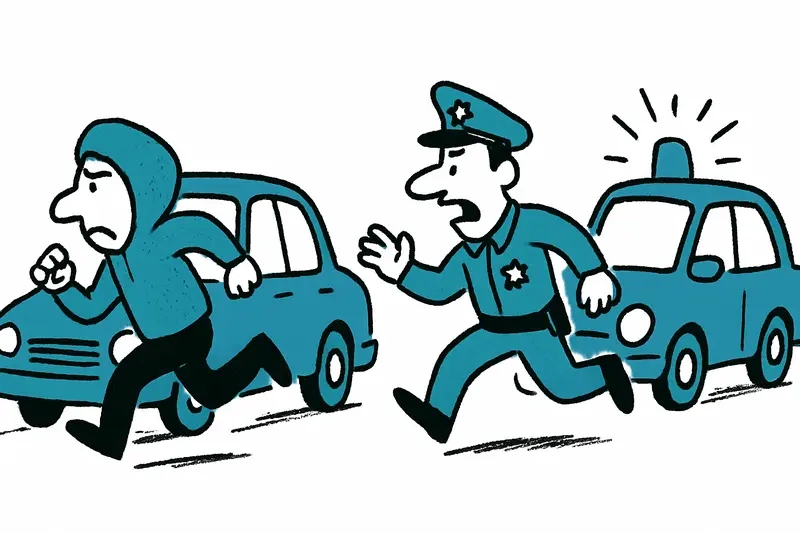
Early Monday in Marratxí, amid the hum of air conditioners in a car rental office and the steady ticking of coffee machines, a long cycle apparently ended: police arrested a man of Moroccan origin who, according to authorities, had already come to attention 'more than 40 times.' Shortly thereafter he was returned to his home country under heightened security measures and banned from the Schengen area. The facts are scarce, the images - patrol cars, the siren, a wrapped transfer to the plane - remain in the mind.
Key question: How can it be that a repeatedly convicted and police-known man used streets, rental cars and small escapes for years before he finally had to leave the Schengen area?
The answer is multifaceted. Authorities in Mallorca ultimately acted decisively: identifying a rented car in use, arrest when approaching the vehicle, a joint operation against a network in which a Spanish national was also arrested as the driver, a pattern seen in Serial thief in Marratxí: Arrest brings relief — but questions remain. The classification as 'particularly dangerous', the re-entry ban and the rapid departure show that prosecution and deportation instruments work - but not always at the same time.
Critical analysis: There are several bottlenecks where the system stumbles. First, the length of procedures and re-entry bans: such decisions must be legally well prepared, but especially with serial offenders with changing residences practice often takes longer than necessary. Second, the control of rental cars and identity checks: that an offender used rental vehicles for years and changed frequently points to gaps in ID verifications and data exchange between rental companies and police. Third, cross-border cooperation: the man had earlier been extradited from Belgium - that shows Europe cooperates, but also that deportations and returns are often only episodes in a longer, branched procedure.
What is often missing in public discourse is the balance between the public interest in security and rule-of-law guarantees. Many call for fast deportations, some even want more checks in rentals. But legal hurdles, jurisdictions and human rights stand in the way. Equally rarely asked is how prevention could look - for example how social work, housing offers or traffic surveillance could help stop repeat offenders before they commit violence again.
A scene from everyday life: At the Marratxí market, between orange stalls and the smell of fried fish, a vendor says she had 'seen police often, but never so many together.' A taxi driver on Passeig Mallorca shrugs: 'Some say we need more presence, others fear lots of checks.' Such voices show that security measures must be tangible locally, without stifling everyday life, and they echo cases where neighborhood tips led to action, as in Quiet raid in Palma: Arrest after neighborhood tips — and what's still missing.
Concrete solutions that are legally viable and practically implementable: better digital interfaces between car rental companies and security authorities so that conspicuous rental patterns are detected more quickly; targeted control campaigns in known problem areas such as certain industrial zones or parking lots; accelerated but legally secured procedures for deportation in repeated serious offenses; stronger cooperation among EU partners in the enforcement of sentences and conditions; and last but not least, specialized teams for cases with high flight risk that coordinate investigations, court dates and deportations.
Moreover, more effort in victim services pays off: victims of assault and robbery need fast access to witness protection, psychological support and clear information on the status of investigations, a need highlighted in Four Years of Fear in Palma: How Neighbors, Justice and the City Must Improve Protection. That strengthens trust in authorities and increases willingness to act as a witness.
Another often overlooked element is traffic surveillance. In this case 'high-powered vehicles' and driving without a license are repeatedly mentioned; more consistent checks, targeted vehicle confiscation on suspicion of gang-like use and sanctions against intermediaries who make such cars available could make escape attempts more difficult, as seen in incidents like Police pursuit in Llucmajor: Repeat-offender car thief stopped — but what remains unresolved?.
Pointed conclusion: The arrest and subsequent deportation show that the system ultimately works - but only in installments. Mallorca needs better interfaces, faster procedures and more preventative work in the streetscape. Otherwise arrests become mere episodes: briefly spectacular, long-term inefficient. People who have their morning coffee at the market or pick up their children from school in the evening rightly expect not only headlines but lasting security.
The next task for politics and authorities is clear: not only react, but close the gaps that make such cat-and-mouse games possible. And do so in a way that reconciles rule of law and protection of the population.
Frequently asked questions
Why was a man arrested in Marratxí and deported from Mallorca?
How can someone be deported from Mallorca after years of police checks?
What role do rental cars play in police investigations in Mallorca?
What does a Schengen ban mean after deportation from Mallorca?
What happened in Marratxí during the police operation?
Are repeated offenders in Mallorca tracked through better police cooperation in Europe?
What could make streets in Mallorca safer against repeat offenders?
Why do people in Mallorca argue about more police checks and deportations?
Similar News
Rental Car Theft in El Arenal: What This Incident Reveals About Our Gaps
A teenager steals a running rental car in El Arenal, flees on foot, climbs over walls and is caught by the Guardia Civil...

Red Rope in Palma's Library: What Helps Against Selfie Tourism — and What's Missing
Palma's city library cordoned off an area with a red rope to keep selfie tourism away from reading and working activitie...

Fort San Carlos: Museum, Harbor Dispute — and a Conflict That Demands Answers
The military museum at Fort San Carlos sits right on Palma's harbor, with unexpectedly quiet rooms filled with cannons a...
Old Town Under Pressure: When a Doorway Becomes a Sleeping and Shower Place
For months a woman has been living with a parasol, a clothes rack and personal belongings next to the social welfare off...

When Shopping Weighs Heavier: Mallorca Demands a Tax Pause on Food and Fuel
Rising prices are putting pressure on households and agriculture. The Balearic Islands are calling for temporary tax rel...
More to explore
Discover more interesting content

Can Cap de Bou

Townhouse Lleo 72
