
Retro alarm clock 'Tjinga' from Ikea: Small, quiet, and €3.50
Retro alarm clock 'Tjinga' from Ikea: Small, quiet, and €3.50
Ikea introduces the small alarm clock 'Tjinga', a simple yellow retro model. Priced at €3.50, it features a silent mechanism, snooze function and partly recycled plastic — ideal for a holiday flat or a guest bedroom.
Retro alarm clock 'Tjinga' from Ikea: Small, quiet, and €3.50
A compact clock that fits nicely on Mallorca's narrow nightstands
Mornings in Palma: the street cafés on the Plaça Major fill up, the garbage truck rattles down the narrow lanes and many nightstands hold a smartphone — but not everywhere. For people who prefer a simple analog feel instead of screen light, Ikea has brought back a small piece of everyday life: the Tjinga alarm clock. It costs €3.50, comes in pale yellow and measures roughly 8 × 8 × 5 centimeters — enough to sit next to a cup of café con leche without taking up too much space.
Technically the little box is surprisingly straightforward: the clock runs on one AA battery (not included), the movement operates without an audible tick and the snooze function delays the alarm by five minutes. Time and alarm are set using dials on the back — so no fiddling with the hands like in childhood. The manufacturer lists a product code (405.921.23) and credits Hanna Crondahl as the designer.
Materials matter, especially on the island where the sea view sharpens environmental awareness: parts of the main components of the Tjinga are made from at least 20 percent recycled polypropylene. The hands are made of ABS and the front lens is polystyrene. The result is a lightweight, robust little box — not built to last forever, but useful and free of unnecessary electronics. Ikea recommends using its own rechargeable AA batteries but also notes that standard alkaline batteries will work.
Practical care notes: cleaning with a duster is recommended; damp cloths or aggressive cleaners can damage the plastic parts and the interior. And a warning from the leaflet: the hands should not be adjusted directly with your fingers, otherwise the movement can be damaged and the warranty voided — sounds old-fashioned, but it's sincere advice.
Why does such a simple clock work well in Mallorca? First: many holiday apartments and small hotels have narrow nightstands or beach houses with few sockets — the compact format fits anywhere; for other compact household finds, see Lidl brings €9.99 heater to Mallorca – compact, digital and practical for everyday use. Second: analog clocks produce no display light that disturbs sleep; that benefits sleeping rhythms, especially for guests who otherwise keep their phones by the bed. Third: for parents or older neighbors the operation is straightforward: a simple on/off switch and a rear wheel are enough — no complicated menus.
A typical everyday tip from Palma: if you rent out a holiday flat, you can include an inexpensive clock as part of the welcome package — a small analog extra that encourages phone-free nights and needs no power outlet; for more budget ideas for holiday hosts, see Celebrate on a Budget: How ALDI's New Gourmet Line Eases Christmas on the Balearic Islands. Or think of a guest room in an old-town flat on Calle Sant Miquel: space is limited, Tjinga fits on any windowsill.
A small sustainability note remains: 20 percent recycled material is better than nothing, but there is room for improvement. If you want the smallest possible ecological footprint, use rechargeable batteries and dispose of empty batteries correctly at municipal collection points. Stylistically the clock is a nod to the '80s without repeating old weaknesses — no loud ticking, simple handling, solid feel; for styling tips and small rituals, see Mallorca Vibes for the Living Room: Small Rituals, Big Impact.
For people in Mallorca who value quiet nights, minimal clutter on the nightstand and a small touch of retro in everyday life, the Tjinga is a useful, inexpensive solution. It is not a design masterpiece, but a practical helper for getting up each day — and sometimes that's exactly what you need in the morning.
Frequently asked questions
What is the weather usually like in Mallorca?
Can you swim in Mallorca in spring or autumn?
When is the best time to visit Mallorca for good weather?
What should I pack for Mallorca in summer?
Is Palma de Mallorca a good base for a holiday?
Is Sóller worth visiting in Mallorca?
Are Mallorca beaches crowded in summer?
What is a good Mallorca trip if you want more than just the beach?
Similar News

Rental Car Theft in El Arenal: What This Incident Reveals About Our Gaps
A teenager steals a running rental car in El Arenal, flees on foot, climbs over walls and is caught by the Guardia Civil...

Red Rope in Palma's Library: What Helps Against Selfie Tourism — and What's Missing
Palma's city library cordoned off an area with a red rope to keep selfie tourism away from reading and working activitie...

Fort San Carlos: Museum, Harbor Dispute — and a Conflict That Demands Answers
The military museum at Fort San Carlos sits right on Palma's harbor, with unexpectedly quiet rooms filled with cannons a...
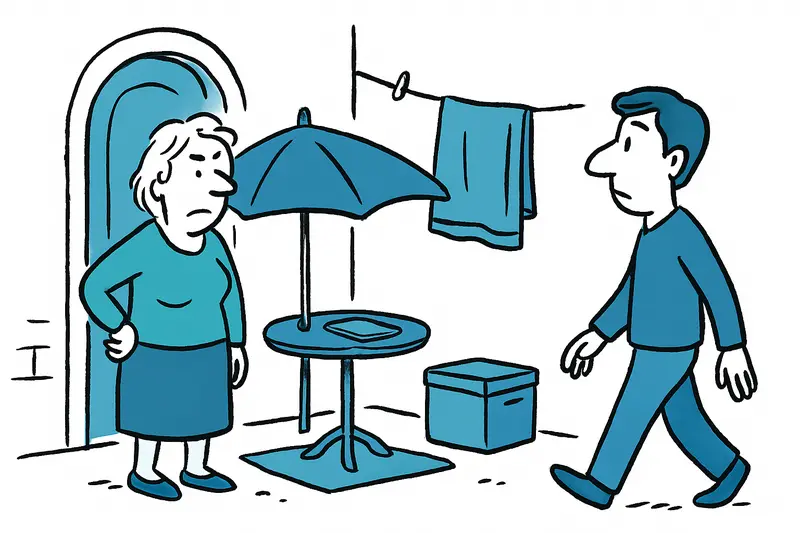
Old Town Under Pressure: When a Doorway Becomes a Sleeping and Shower Place
For months a woman has been living with a parasol, a clothes rack and personal belongings next to the social welfare off...

When Shopping Weighs Heavier: Mallorca Demands a Tax Pause on Food and Fuel
Rising prices are putting pressure on households and agriculture. The Balearic Islands are calling for temporary tax rel...
More to explore
Discover more interesting content

Can Cap de Bou

Townhouse Lleo 72
