
Disguised as Tourists, Precise, Professional: How a Group Opened Doors under Mallorca Residents' Noses
Disguised as Tourists, Precise, Professional: How a Group Opened Doors under Mallorca Residents' Noses
Two Georgians arrested, twelve apartments affected: The gang used hotel stays as a cover, attached threads to doors and picked locks without a trace. What is missing from the debate — and how can residents protect themselves?
Disguised as Tourists, Precise, Professional: How a Group Opened Doors under Mallorca Residents' Noses
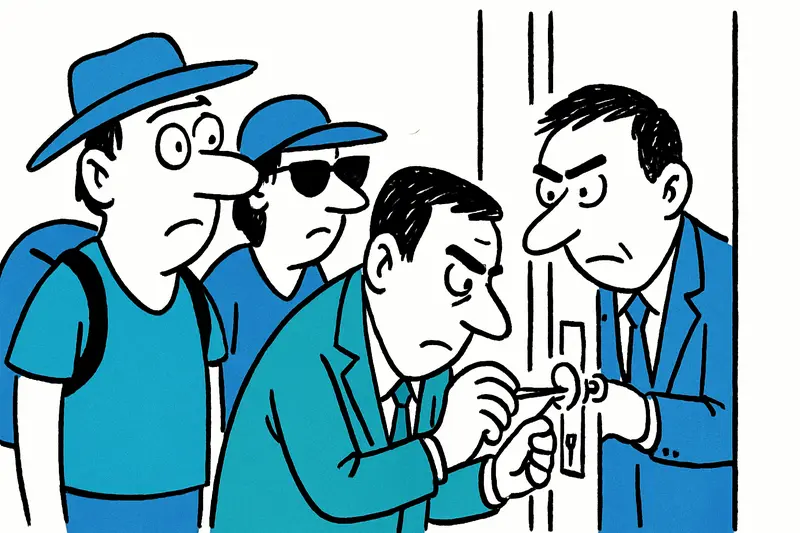
In Palma, the National Police recently arrested two people of Georgian origin and identified two more. They are suspected of belonging to a specialised gang that is alleged to have broken into twelve apartments in recent months. The group apparently travelled from town to town, stayed in hotels like regular guests and observed their targets carefully before striking. Similar incidents have been reported in the hospitality sector, such as Disguised as a Guest: Con-Artist Spree Hits Mallorca's Hotel Industry.
Key question
How can a neighbourhood become safer when burglars act so methodically and leave hardly any traces?
Brief description of the method
According to the investigations, the suspects posed as holidaymakers in the city. During the day, when many people are about, the alleged perpetrators selected their targets. A small but conspicuous technique: thin adhesive strips at the bottom edge of doors — a makeshift method used to check whether someone had entered an apartment between observation and attack. At the same time, they relied on specialised locksmith tools that opened doors without leaving the classic signs of forced entry. Police described comparable use of specialised keys and disguises in Raid in Palma: Specialized keys, disguises — and many unanswered questions. The trace search is ongoing; the theft unit's investigation began in February after the first reports were filed.
Critical analysis
That a team operates in such a planned way and uses travel as a cover is no coincidence. It shows that criminal networks adapt tactics and exploit the fact that tourist movements are commonplace. A hotel room or a central apartment looks outwardly little different from a normal guest — and that is precisely what is exploited. Moreover, the adhesive-strip method reveals a certain routine: it is cheap, barely noticeable and effective. For the victims this is particularly bitter because there are no smashed doors or windows that would clearly document insurance damage. Related cases include suspects who allegedly posed as tourists and stole suitcases and watches, for example Disguised as a Tourist: How an Alleged Thief Stole Suitcases and Watches in Palma.
What's missing in the public debate
There is much talk about police presence and prevention, but rarely about how strongly technical details and behavioural rules interact. We hear little about how residents could use everyday items to recognise patterns — simple measures like regularly checking the bottom edge of the door, neighbourhoods that do not rely solely on private alarm systems, and the question whether holiday rental and short-term tourism create additional responsibilities for hosts and hotels. Also: what role do holiday apartment operators play in informing their guests about local safety issues?
Everyday scene from Palma
On Passeig des Born, on an otherwise quiet morning, children's laughter mixes with the ducks in Parc de la Mar. A neighbour waters her plants, two delivery drivers chat outside a café. Such scenes hardly attract attention — and it is precisely in this normality that the described groups work. They do not look like criminals; they carry backpacks, wear sunglasses, and spend money at the hotel reception. That makes it difficult for neighbours to spot anything suspicious when the scene seems so ordinary.
Concrete solutions
- Strengthen neighbourhood networks: Local WhatsApp groups or neighbourhood initiatives can quickly share suspicious observations. A brief cross-check can prevent several apartments from being targeted in succession.
- Awareness-raising by landlords and hoteliers: Hosts should not monitor guests, but they can provide information leaflets on safety precautions and point out suspicious activities during longer stays.
- Technical upgrades with moderation: Door viewers, reinforced cylinders, additional locks and electronic sensors that report openings. It is important that systems are chosen so they trigger an alarm and document incidents even without visible damage.
- Preventive advice from the police: Information evenings in districts that address concrete tactics like the adhesive-strip method create better situational awareness.
- Clarify insurance issues: Homeowners should check how burglaries without visible damage affect insurance claims and which types of evidence are accepted.
Why this matters
The described cases reveal a vulnerability: when burglars operate quietly and precisely, victims often feel powerless. Trust in one's front door suffers. At the same time, responsibility grows in tourist centres — not only for the police, but for everyone involved in everyday security: neighbours, landlords, property managers, hotels.
Concise conclusion
It is not enough to talk only about increased presence. We need neighbourhood vigilance, clear information from landlords and hoteliers, and technical solutions that not only indicate damage but act preventively. The arrests are a tactical victory — the bigger fight takes place where everyday life and crime overlap so seamlessly that nobody raises the alarm immediately. Anyone in Palma who wants to make their door a little safer should start small: exchange information with neighbours, take a careful look for inconspicuous signs — and be aware that routine is the best disguise for a well-organised gang.
Frequently asked questions
When is the best time to visit Mallorca for good weather and fewer crowds?
Can you still swim in Mallorca outside the peak summer months?
What should I pack for Mallorca in spring or autumn?
Is Mallorca windy, and does it affect beach plans?
What is Sóller like for a visit in Mallorca?
Is Alcúdia a good base for a holiday in Mallorca?
What is the weather usually like in Palma de Mallorca?
How much time do you need in Mallorca to see more than just the beaches?
Similar News
Rental Car Theft in El Arenal: What This Incident Reveals About Our Gaps
A teenager steals a running rental car in El Arenal, flees on foot, climbs over walls and is caught by the Guardia Civil...
Red Rope in Palma's Library: What Helps Against Selfie Tourism — and What's Missing
Palma's city library cordoned off an area with a red rope to keep selfie tourism away from reading and working activitie...
Fort San Carlos: Museum, Harbor Dispute — and a Conflict That Demands Answers
The military museum at Fort San Carlos sits right on Palma's harbor, with unexpectedly quiet rooms filled with cannons a...
Old Town Under Pressure: When a Doorway Becomes a Sleeping and Shower Place
For months a woman has been living with a parasol, a clothes rack and personal belongings next to the social welfare off...
When Shopping Weighs Heavier: Mallorca Demands a Tax Pause on Food and Fuel
Rising prices are putting pressure on households and agriculture. The Balearic Islands are calling for temporary tax rel...
More to explore
Discover more interesting content

Can Cap de Bou

Townhouse Lleo 72
