
Between Santa Margalida and Can Picafort: Why the broken connecting road is more than just an annoyance
Between Santa Margalida and Can Picafort: Why the broken connecting road is more than just an annoyance
Potholes, cracks and puddles make the route to the coast dangerous. The island council plans a refurbishment, but many questions remain unanswered. A reality check with concrete solutions for residents and holidaymakers.
Between Santa Margalida and Can Picafort: Why the broken connecting road is more than just an annoyance
Key question: Will the announced refurbishment actually solve the problem — or will the route remain a patchwork of warning signs and temporary fixes until the next tourist season?
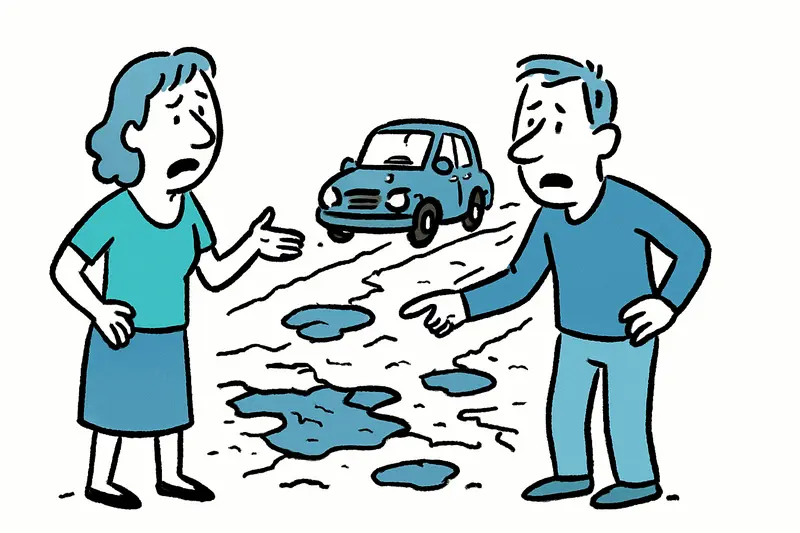
Early in the morning, when the sun just makes the sea around Can Picafort shimmer, cars and buses rumble along a road that defies description. Tyres grind over fine cracks, puddles collect along the kerb, and pedestrians hurrying to the bakery instinctively step aside. Motorists have been reporting deeper potholes for months, and locals talk of an increasing number of minor accidents — both facts that are becoming ever more visible on the stretch between Santa Margalida and the seaside resort, echoing incidents reported elsewhere such as Three serious accidents in one night: What's wrong with Mallorca's country roads?.
The island council has earmarked the section between Sineu and Can Picafort for later refurbishment; according to current planning, the project should be developed by the end of the year. That is important, but it offers no immediate relief: high season and much heavier traffic are approaching, and roads in poor condition mean not only a loss of comfort but real safety risks. Similar island-council projects are outlined in Palma aims to ease congestion: roundabout expansion, FAN access and 13 small roadworks, but timing and scope remain crucial.
A sober look reveals several problem areas: drainage is missing in many places, so after rain deep pools form and cracks open up faster. The surface shows numerous patched areas that were only repaired provisionally. Combined with increased traffic — tourist buses, delivery vehicles, mopeds and cycle tourists — this creates a risky mix, as seen in incidents like Severe rear-end collision on the Ma-13: Why the stretch between Inca and Palma often becomes a bottleneck.
What is often missing from the public debate
It is rarely just about asphalt. The discussion focuses on the "when" of the refurbishment, but not the "how": Which segments should be prioritised? What short-term safety measures are possible? How will residents and commuters be protected during the works? And: is there a clear financing plan that treats road maintenance regularly rather than only sporadically?
The climate factor is also barely mentioned: heavy rainfalls have become more frequent in recent years. A road that does not drain water quickly deteriorates faster. A refurbishment that only renews the surface without addressing drainage and cross slope would soon become riddled with holes again.
Concrete, immediately implementable solutions
Temporary: Mobile closures in the most dangerous sections, clear signage and reduced speeds especially on bends and near stops. Cold mixes and broad patch sealing for potholes so that buses and cyclists can pass more safely. Night work to avoid daytime congestion.
Medium to long term: Create a priority list along the route: first the locations with repeated accidents and those where water accumulates. Detailed planning must consider drainage, footpath connections and safe pedestrian crossings. A publicly accessible timeline with clear responsibilities would build trust. Financing: consider a combination of island council funds and possible EU infrastructure and climate adaptation programs.
Everyday scenes as a warning signal
Imagine a delivery van weaving between puddles on a hot June morning while two cyclists with saddle bags narrowly pass it and a school bus brakes screeching shortly afterwards. This is not a dramatic exaggeration; these are everyday impressions commonly seen on the stretch in Santa Margalida. The everyday pinch point thus becomes a potential accident spot.
Important: Local people do not want grand speeches; they want visible measures. A roadside assistance service, a clear reporting system for new damage and temporary markings would already bring much reassurance. This requires political resolve: who plans the works, who monitors the execution, and how will the road be regularly maintained after refurbishment?
Conclusion: The island council's announced planning is a step — but a gentle one. Without short-term safety measures and transparent, technically sound planning, the road between Santa Margalida and Can Picafort risks becoming a problem child year after year. Short term: protect, mark, report. Long term: build properly — with drainage, appropriate gradients and a clear maintenance plan.
Frequently asked questions
What is the weather usually like in Mallorca in April?
Can you swim in Mallorca in spring?
Is April a good time to visit Mallorca for sightseeing?
What should I pack for Mallorca in spring?
What is Palma de Mallorca like in early spring?
Are Mallorca beaches busy in spring?
Is spring a good time for outdoor activities in Mallorca?
Does Mallorca get hot in April?
Similar News
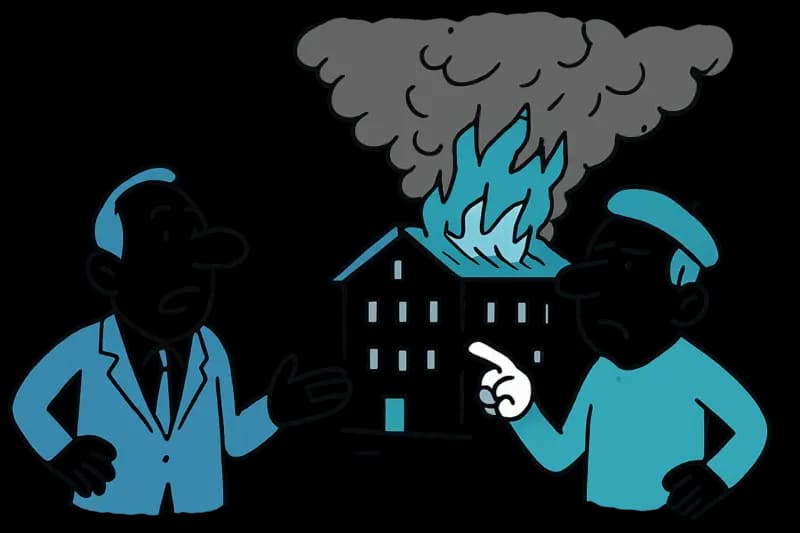
Smoke over the UIB: Who is responsible for the fire on the roof?
On Saturday afternoon a fire broke out on the roof of the Arxiduc Lluís Salvador building at the University of the Balea...
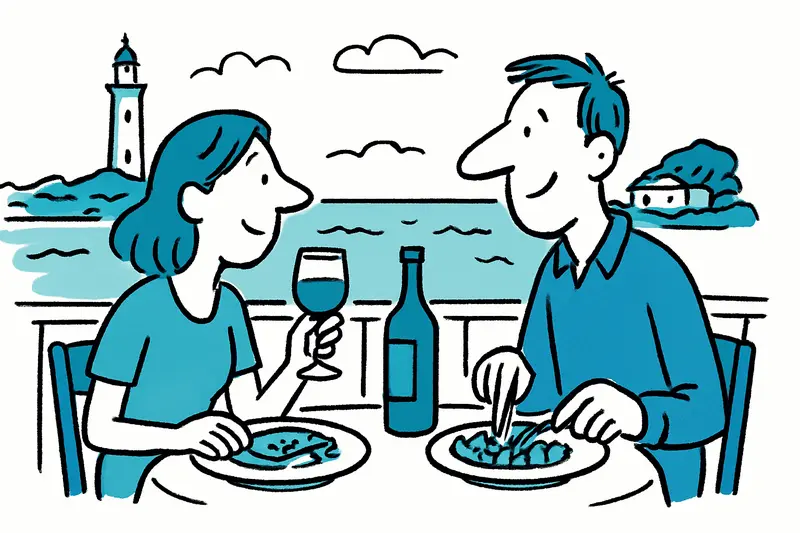
Short Getaway with Sea View: Inmood Aucanada among Spain's Top Hotels for Dinner Breaks
A small hotel on the coast of Alcúdia was highlighted by a Spanish experience platform as particularly suitable for shor...
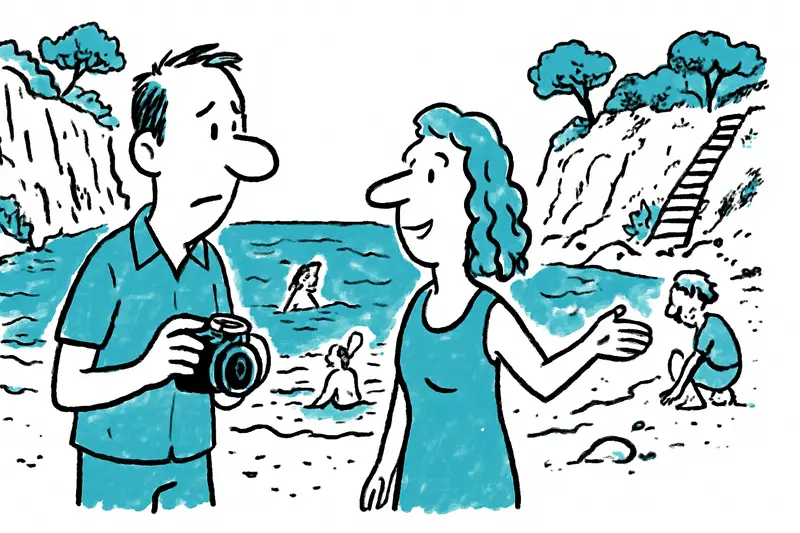
Cala Pi crowned Mallorca's most beautiful beach: A morning at the rocky cove
The travel portal Holidaycheck praises Cala Pi as Mallorca's most beautiful beach: a narrow, romantic cove, clear water,...
Injured captain, big plans: Germania Mallorca before the away match in Consell
The newly founded FC Germania Mallorca travels to Consell on Saturday. Captain Bastian Müller is out injured, but coach ...
Palma, Palma de Mallorca, Palma‑Mallorca: What is it really about?
The debate over the city's name is more than grammar: it concerns identity, law and branding policy. A sober reality che...
More to explore
Discover more interesting content

Can Cap de Bou

Townhouse Lleo 72
