
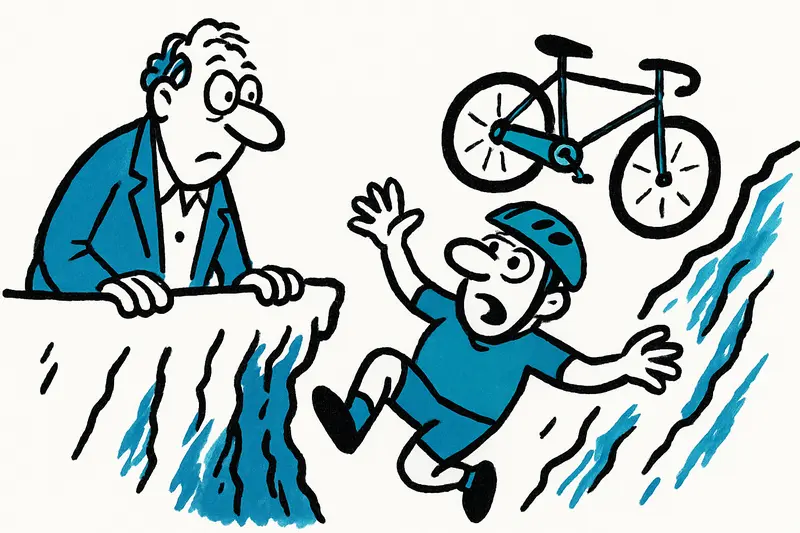
Fall at the Formentor Cliffs: A Look at Safety Gaps
Fall at the Formentor Cliffs: A Look at Safety Gaps
A cyclist left the road on the way to Formentor and fell several meters down an embankment. The rescue operation raises questions about route safety, emergency coordination and prevention.
Fall at the Formentor Cliffs: A Look at Safety Gaps
Key question: Why does an otherwise harmless bike ride on the road to Formentor sometimes end in hospital – and which gaps must we close to prevent this from happening again?
On Tuesday around 1:45 p.m., a middle-aged man ran off the road on the steep, winding route toward Formentor and fell about five meters down an embankment. Passers-by alerted rescue services. The city fire department (Bombers de Palma) took coordination; mountain rescue teams from Inca and Alcúdia supported the complex extraction. The helicopter 'Sa Milana' finally flew the injured person to Son Espases University Hospital. No information about the health condition is available so far. This echoes other incidents such as Tragic Fall in Cala Sant Vicenç: A Wake-Up Call for Greater Coastal Safety.
Critical analysis: Where the hazards lie
The facts about what happened remain thin: cause unclear, weather not mentioned, protective measures not described. That makes such reports dangerous because they can quickly sound like isolated incidents – whereas the route contains systemic risks. The coastal road to Formentor is strikingly scenic: narrow lanes, tight bends, steep embankments, and in summer a heavy flow of tour buses, rental cars and ambitious road cyclists. This mix breeds conflicts: vehicles driving faster than sight allows; cyclists riding close to the lane edge; and stretches without continuous guardrails. Similar road hazards have forced closures elsewhere, for example Rockfall at Sa Calobra: What are the lessons from the Ma-2141 closure?.
Another point: the availability of rescue resources may have worked well here – helicopter and specialized teams were on site – but not every accident ends so fortunately. Many critical minutes pass until helpers can reach the exact GPS point. In difficult terrain, clear rescue routes, marked emergency points and reliable radio connections matter more than sensational headlines.
What is missing from public debate
We often talk about individual fates and less about preventive measures. There is a lack of sober debate about infrastructure investments for main tourist arteries and careful traffic management for mixed use by cars, buses and cyclists. Equally underdiscussed is the systematic recording of accident sites: where is the bend particularly treacherous? Where is a guardrail missing? Where is mobile coverage poor? Without this data basis prevention remains piecemeal.
Everyday scene from the island
Anyone who knows the route to Formentor knows how the air sounds there: cicadas sing, pines smell, and on clear days you can feel the salty breeze from Cap de Formentor. On the narrow road a group of cyclists lines up at the edge, a tour bus squeezes past, and from a finca near the road the smell of freshly cut grass sometimes drifts by. This idyll is deceptive – one wrong moment, one evasive maneuver, and the slope is dangerously close. It also echoes risky coastal activities documented in When Dares Turn Deadly: Examining Cliff Jumps on Mallorca's East Coast.
Concrete solutions
For authorities
1. Route hazard audit: Systematic mapping of danger points, prioritization for guardrails, reflective markers and improved road markings.
2. Mark emergency points: Install coordinate or location signs at regular intervals so helpers can navigate faster.
3. Tighten speed and overtaking rules: Put narrow sections under reduced speed limits and ban risky overtaking.
For rescue teams
1. Regular joint exercises: Fire department, mountain rescue and air rescue should train realistic scenarios more frequently.
2. Expand mobile rescue equipment: Lighter rescue gear for steep terrain that small teams can carry quickly.
For road users
1. Duty to inform: Rental companies, tour operators and apps should point out difficult sections and communicate basic behavioral rules.
2. Personal precautions: Riders should not travel alone, carry a fully charged phone, ID and a basic repair kit, and dismount and walk if they feel unsure.
Conclusion
Yesterday's operation showed that rescue can work when coordination is fast. But help alone is not enough. On an island that depends heavily on bike and car traffic, we need fewer reactive reports and more measures: better route protection, clear emergency point signage and concrete education for everyone who uses the winding coastal roads. Otherwise the scene repeats itself – cicadas singing, an uncertain rider, and seconds later a dangerous fall.
Frequently asked questions
When is the best time to visit Mallorca for a beach holiday?
Is Mallorca warm enough to swim in the sea in spring?
What should I pack for Mallorca in the shoulder season?
Is Mallorca a good destination outside the peak summer months?
What is Palma like in spring for visitors?
Is Port de Sóller good for a calm holiday in Mallorca?
What kind of weather should I expect in Mallorca in autumn?
Where can I go in Mallorca if I want a quieter seaside area?
Similar News
Smoke over the UIB: Who is responsible for the fire on the roof?
On Saturday afternoon a fire broke out on the roof of the Arxiduc Lluís Salvador building at the University of the Balea...
Short Getaway with Sea View: Inmood Aucanada among Spain's Top Hotels for Dinner Breaks
A small hotel on the coast of Alcúdia was highlighted by a Spanish experience platform as particularly suitable for shor...
Cala Pi crowned Mallorca's most beautiful beach: A morning at the rocky cove
The travel portal Holidaycheck praises Cala Pi as Mallorca's most beautiful beach: a narrow, romantic cove, clear water,...
Injured captain, big plans: Germania Mallorca before the away match in Consell
The newly founded FC Germania Mallorca travels to Consell on Saturday. Captain Bastian Müller is out injured, but coach ...
Palma, Palma de Mallorca, Palma‑Mallorca: What is it really about?
The debate over the city's name is more than grammar: it concerns identity, law and branding policy. A sober reality che...
More to explore
Discover more interesting content

Can Cap de Bou

Townhouse Lleo 72
