
Another Crash at the Same Spot in Santa Ponsa – Residents Demand Protection on Avenida Rei Jaume I
Another Crash at the Same Spot in Santa Ponsa – Residents Demand Protection on Avenida Rei Jaume I
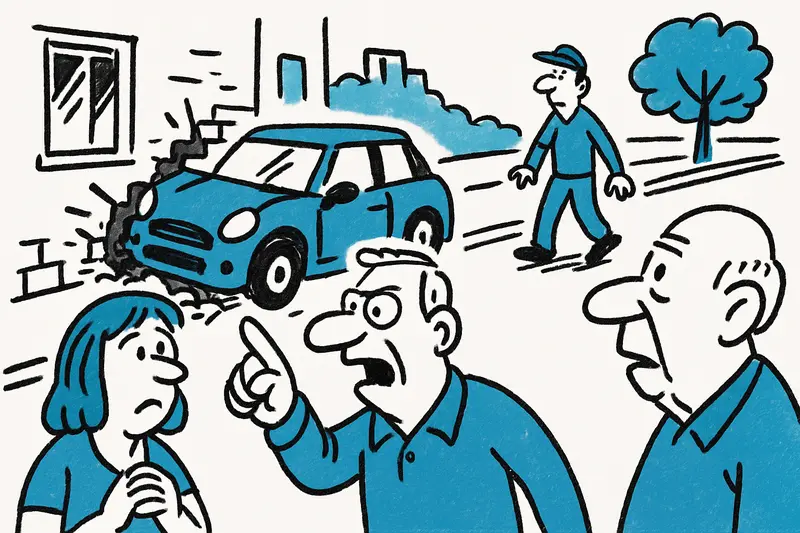
A Mini Cooper crashed through the wall of a house at Avenida Rei Jaume I (house number 56). Residents report around ten accidents at this exact spot in the past year and are demanding swift protective measures from the Calvià municipality.
Another Crash at the Same Spot in Santa Ponsa – Residents Demand Protection on Avenida Rei Jaume I
Impact against the exterior wall of a residential building (No. 56) reignites the safety debate
Key question: Does the town of Calvià finally need to act before someone is seriously hurt?
On Monday afternoon the Avenida Rei Jaume I in Santa Ponsa was briefly the talk of the neighborhood. A Mini Cooper left the road and struck the exterior wall of a private house at house number 56. The car breached part of the wall, causing significant property damage, but early reports indicate no serious injuries.
Many neighbors know the scene: loud engines accelerating, the beep of a bus at the stop, children waiting on the pavement for their parents after school. One resident pointed out in a social media post that around ten accidents were recorded at this exact spot in the past year alone. A similar report is Another Crash at MA-13 On-Ramp in Son Cladera: Two Accidents Within 20 Minutes.
Critical assessment: The avenue is a heavily used connection between the town center and the beach. Narrowly parked cars, limited sightlines when exiting driveways, and the mix of tourist rental cars and locals increase the risk. On the affected stretch there are hardly any physical barriers, lighting is weak in places at night, and the roadway appears wider in some sections than the surroundings can safely accommodate. Such conditions favor loss of control, especially at higher speeds.
Often missing from public discussion is the sober question of responsibility and priorities: Who collects the traffic data? Is there a systematic analysis of accident hotspots by the municipal administration? How regularly are safety barriers and guardrails checked for suitability? Residents complain that complaints are recorded but do not visibly lead to planning changes; similar local demands were highlighted in Son Cladera: Crash Again at MA-13 Exit - Residents Demand Speed Reduction.
Everyday scene from Santa Ponsa: At half past nine in the morning the street smells of freshly baked bread from the small bakery on the corner, a rental car with German plates turns off hastily, an older man pushes his shopping trolley up the ramp. Such a moment can be enough for routine to turn into a dangerous incident. It is precisely this gap between lively daily life and invisible risk that residents feel. Local coverage of residential safety concerns includes Serious Fall in Santa Ponça: How Safe Are Our Stairwells?.
Concrete solutions that should be reviewed immediately: a check of the lane width and parking regulations on the critical stretch, installation of sturdy guardrails or steel bollards at particularly vulnerable sections, the introduction of speed bumps (reduced speed at critical points), improved and focused lighting as well as reflective markings on walls and driveways. Short-term measures could include mobile protective barriers or temporary concrete blocks until permanent solutions are planned.
Furthermore, the municipality should publish a transparent accident map and involve independent traffic experts to analyze causes instead of merely lamenting symptoms. More presence of traffic police during peak times and targeted speed controls would reduce the sense of insecurity on site. A participatory process with residents, shop owners, and the town hall would help ensure measures remain practical and not just on paper.
What is still missing from the conversation? Reporting often focuses on individual incidents rather than repeat rates, structural deficiencies, or maintenance responsibilities. The role of tourist vehicles and temporary seasonal traffic changes is also rarely discussed. Without these perspectives, proposals remain half-hearted.
Conclusion: Ten accidents at the same spot in one year are not bad luck; they are a warning sign. Santa Ponsa needs more than outrage on social networks — it needs a graduated package of measures: immediate, visible protections followed by structural changes to traffic management. The street is part of everyday life for many people; it is the administration's duty to make that everyday life safer. Residents expect nothing less than concrete action — no more photos of cars in front gardens.
Frequently asked questions
What is the weather usually like in Mallorca in spring?
Can you swim in Mallorca outside the peak summer months?
What should I pack for Mallorca in spring?
Is spring a good time to visit Mallorca?
What is Palma de Mallorca like in spring?
Is the Tramuntana area in Mallorca colder than the coast in spring?
What is Alcúdia like for a spring holiday in Mallorca?
What can you do in Mallorca when the spring weather is mild?
Similar News
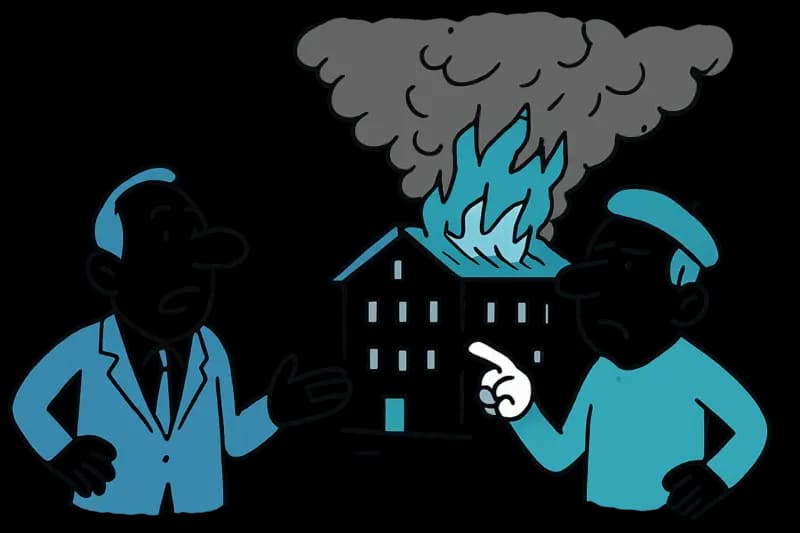
Smoke over the UIB: Who is responsible for the fire on the roof?
On Saturday afternoon a fire broke out on the roof of the Arxiduc Lluís Salvador building at the University of the Balea...
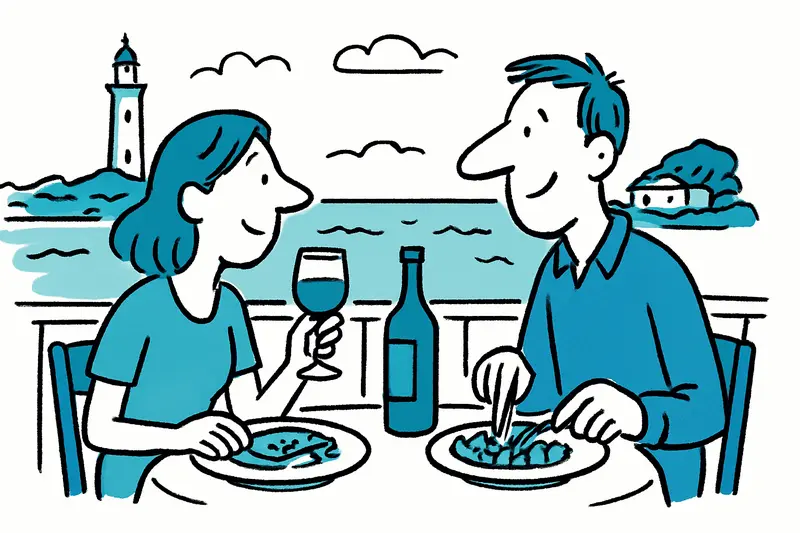
Short Getaway with Sea View: Inmood Aucanada among Spain's Top Hotels for Dinner Breaks
A small hotel on the coast of Alcúdia was highlighted by a Spanish experience platform as particularly suitable for shor...
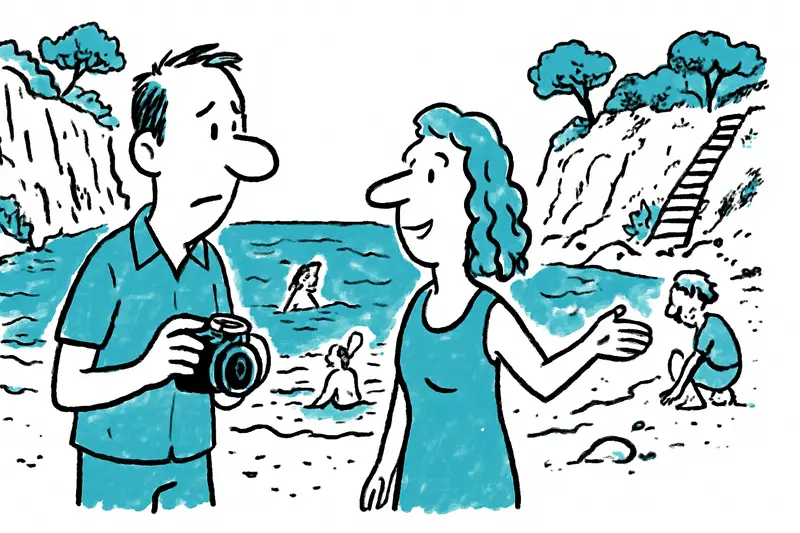
Cala Pi crowned Mallorca's most beautiful beach: A morning at the rocky cove
The travel portal Holidaycheck praises Cala Pi as Mallorca's most beautiful beach: a narrow, romantic cove, clear water,...
Injured captain, big plans: Germania Mallorca before the away match in Consell
The newly founded FC Germania Mallorca travels to Consell on Saturday. Captain Bastian Müller is out injured, but coach ...
Palma, Palma de Mallorca, Palma‑Mallorca: What is it really about?
The debate over the city's name is more than grammar: it concerns identity, law and branding policy. A sober reality che...
More to explore
Discover more interesting content

Can Cap de Bou

Townhouse Lleo 72
