
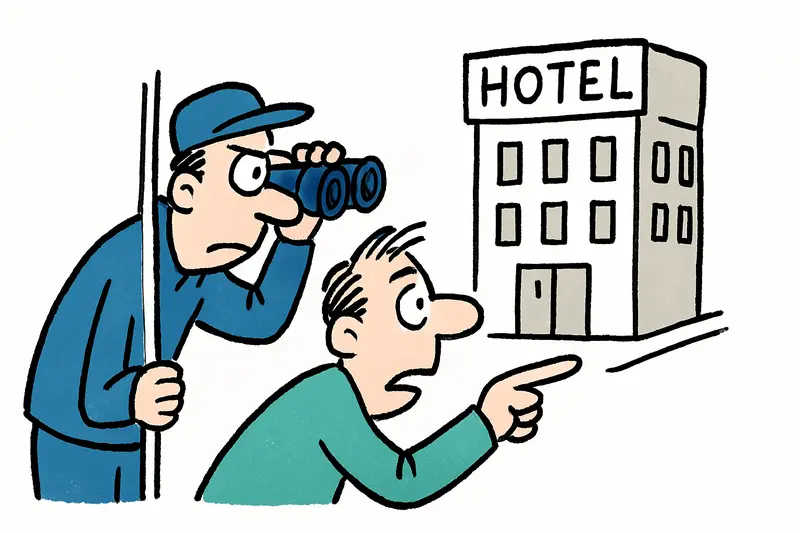
Mallorca: How a gang scouted Palma - and what we must do differently now
Mallorca: How a gang scouted Palma - and what we must do differently now
The National Police have arrested two suspected members of a theft gang in Palma. The group is said to have stayed in hotels, marked doors with thin adhesive threads, and emptied at least twelve apartments. What is missing from the public debate and what can the city do?
Mallorca: How a gang scouted Palma - and what we must do differently now
Leading question: Why were thieves able to empty apartments in Palma for months without victims and neighbours being alerted more effectively?
On the edge of the old town, where delivery vans rattle over the cobbles in the morning and the smell of coffee drifts from the bakery on Carrer Sant Miquel, police recently arrested two suspects. According to the Policía Nacional, they are linked to a gang, as reported in Raid in Palma: Specialized keys, disguises — and many unanswered questions. Two further suspects have been identified; earlier operations were described in Raid in Palma and on the Mainland: How Deep Does the Network Reach into Our Neighborhoods?. The perpetrators are said to have attached fine adhesive threads to apartment doors to check routines and opened locks with specialist tools. The arrested individuals were released under conditions.
In short: professional methods, deliberate covering of traces, and a pattern that catches many homeowners off guard. Walking through neighbourhoods like Santa Catalina or the area around Plaça de Cort, you see open windows, bicycles chained to railings and residents going about their daily lives. It is precisely this normality that makes it easy for thieves to remain unnoticed.
Critical analysis: the modus operandi appears deliberate. Foreign tourists as a disguise are not a new phenomenon, but the combination of hotel stays, "door markings" and specialist tools shows coordination; similar patterns were described in Organized watch robbers in the Balearics: Why Mallorca must also stay vigilant. Those who select apartments deliberately are not acting opportunistically but in a planned way. This suggests that information about movements – for example through hotel bookings or suspected target addresses – may have been observed or bought. At the same time, it remains unclear how quickly and transparently police and authorities act on tips and how well victims are supported.
What is missing from the public debate: concrete advice for tenants and owners, detailed figures on times and locations of the crimes, and reliable information on securing insurance claims. Often residents only hear: "There were burglaries"; practical guidance on how to protect yourself with simple means is lacking in many conversations. The role of hoteliers – whether they report suspicious booking patterns or not – is also rarely discussed.
A Mallorca everyday scene that makes the problem concrete: on a Wednesday morning along the Passeig Marítim an elderly woman sits on a bench, her dog sniffing; she says a neighbour was robbed two weeks ago, but nobody talks about it anymore because people are afraid of damaging the neighbourhood's reputation. Such walls of silence only help the perpetrators.
Concrete immediate solutions:
- Strengthen neighbourhood networks: create local WhatsApp or Signal groups for housing blocks to quickly share information about suspicious hotel guests or delivery movements.
- Simple security measures: screw-on protective fittings, additional deadbolts, door viewers and sturdy door chains are often cheaper than expected and raise the barrier to forced entry significantly.
- Cooperation with hoteliers: hotels should apply simple internal checklists for repeated bookings from groups or unusual time frames and report anything suspicious to the police. A brief notification can help narrow down suspicious cases early.
- Public prevention: local police stations could offer half-day drop-in sessions on burglary prevention – in community centres or market halls, where people already go.
- Use technology sensibly: retrofit door sensors, motion detectors for stairwells and affordable smart locks with alarm functions reduce risks. CCTV in entrance areas, installed in a legally compliant way, helps with investigations.
- Victim support and transparency: authorities should provide victims with standardized information packs (steps to take after a burglary, insurance questions, evidence preservation). At the same time, clearer information about the local crime situation should be part of public communication without causing panic.
Practical advice for residents today: don't just lock the door; check the strike plate; never leave spare keys lying around; note anything unusual and take photos of entrance doors and locks for emergencies. If neighbours notice unusual guests in hotels, note identifying details (room number or license plate) and the time, and report it to the Policía Nacional.
Punchy conclusion: arrests are important, but they are not enough. As long as disguises via tourist stays work and small weaknesses in doors remain, Mallorca will stay attractive to organised thieves. What truly protects is a mix of neighbourhood vigilance, pragmatic technical measures and a police force that closes communication gaps. Otherwise the gang may return in another form – and we'll be surprised again at our corner café.
Frequently asked questions
What is the weather like in Mallorca in May?
Can you swim in Mallorca in early summer?
What should I pack for Mallorca in spring?
Is Mallorca good for a beach holiday outside peak summer?
What is Valldemossa like in spring?
Is Palma de Mallorca nice to visit when it is warm?
When is a good time to hike in Mallorca?
What is Sóller like for a day trip in spring?
Similar News

Rental Car Theft in El Arenal: What This Incident Reveals About Our Gaps
A teenager steals a running rental car in El Arenal, flees on foot, climbs over walls and is caught by the Guardia Civil...
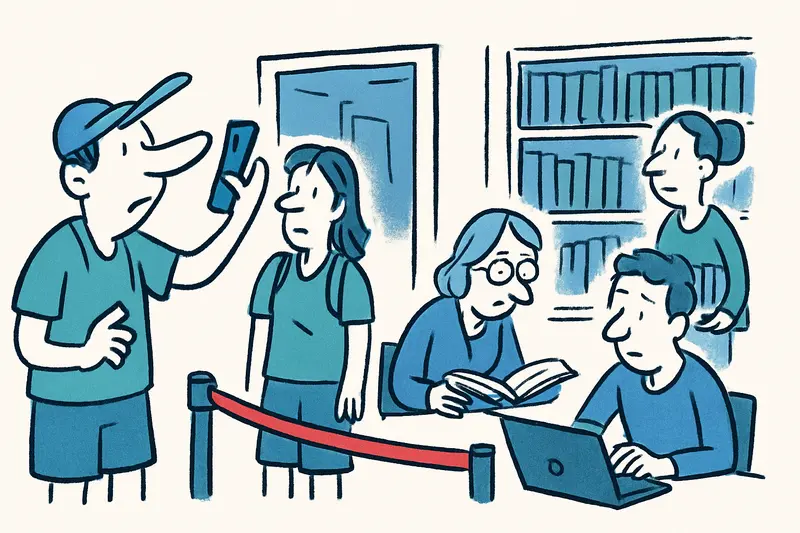
Red Rope in Palma's Library: What Helps Against Selfie Tourism — and What's Missing
Palma's city library cordoned off an area with a red rope to keep selfie tourism away from reading and working activitie...
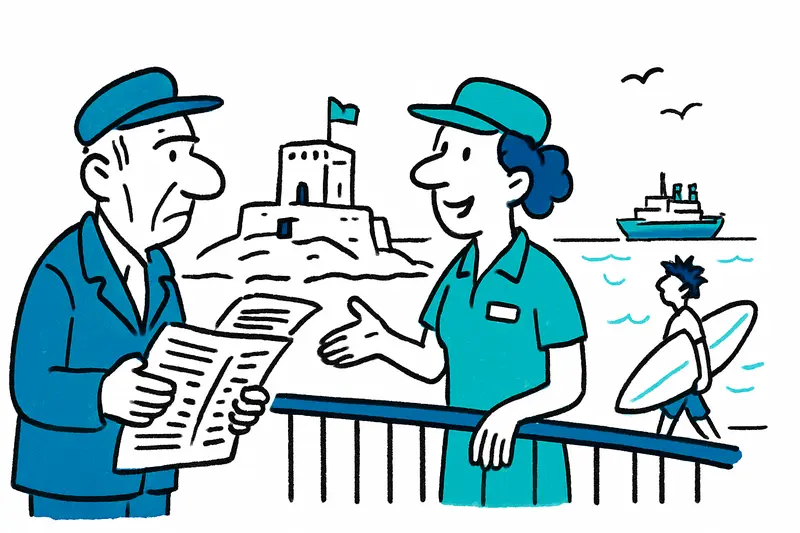
Fort San Carlos: Museum, Harbor Dispute — and a Conflict That Demands Answers
The military museum at Fort San Carlos sits right on Palma's harbor, with unexpectedly quiet rooms filled with cannons a...
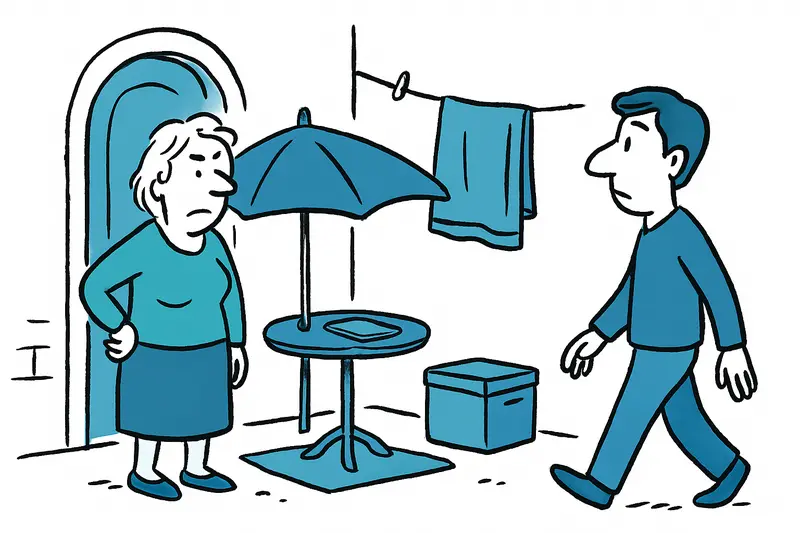
Old Town Under Pressure: When a Doorway Becomes a Sleeping and Shower Place
For months a woman has been living with a parasol, a clothes rack and personal belongings next to the social welfare off...

When Shopping Weighs Heavier: Mallorca Demands a Tax Pause on Food and Fuel
Rising prices are putting pressure on households and agriculture. The Balearic Islands are calling for temporary tax rel...
More to explore
Discover more interesting content

Can Cap de Bou

Townhouse Lleo 72
