
Jump at Caló des Moro: Why Young People Take Risks and What We Should Change
Jump at Caló des Moro: Why Young People Take Risks and What We Should Change
A 17-year-old jumped from about 30 meters at Mallorca's well-known Instagram bay Caló des Moro, was seriously injured and airlifted by a fire-department helicopter to Inca. What went wrong — and how can such incidents be prevented?
Jump at Caló des Moro: Why Young People Take Risks and What We Should Change
Guiding question: Why does a moment staged for social-media photos so often end in an emergency — and what is missing on site to make such accidents less frequent?
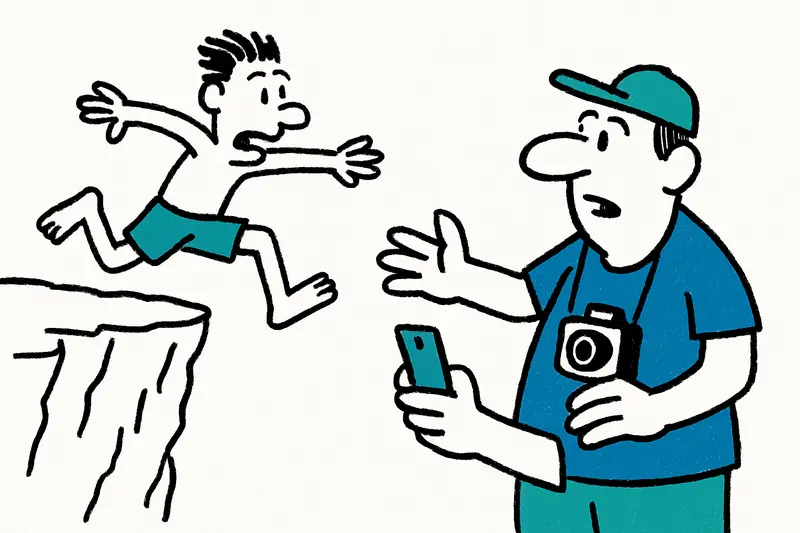
On the early afternoon of May 21, a 17-year-old jumped from about 30 meters into the water at Caló des Moro near Santanyí and suffered serious injuries to her lower back. Rescue teams from Santanyí and a SAMU 061 team from Campos brought the girl to shore; a fire department helicopter then flew her to the hospital in Inca because the landing site at Son Espases was occupied. Being accompanied by a friend and the bay's popularity as a photo backdrop are among the few established facts.
In short: a serious accident, a lot of public attention — and multiple problem areas in the debate about safety on the cliffs.
Critical analysis: Caló des Moro is narrow, rocky and popular. The path down to the bay is steep, parking is limited, people carry towels and cameras, not life vests. Young visitors are under social pressure to deliver striking images. The result can be an overestimation of one's abilities. Technical aspects such as jump depth, currents and rock formations are hard for laypeople to judge — and the publicly available information on site often appears sparse. This pattern echoes reporting such as When Dares Turn Deadly: Examining Cliff Jumps on Mallorca's East Coast.
Added to this is the logistics of rescue: the fact that the fire department had to use a helicopter and the victim was flown to Inca because Son Espases had no available landing spot shows how tight the network is. Not every cove is within helicopter reach of a free hospital landing site; coordinated procedures are one thing, free landing zones another. A similar strain in rescue capacity was discussed after the incident at Son Bauló in Fatal Rescue Attempt in Son Bauló: What Must Change on Our Beaches.
What is missing in the public discourse: we talk about spectacular individual cases, but too rarely about patterns. There is not enough discussion about how social-media trends encourage risky behavior or how local infrastructure and rescue planning can be prepared for seasonal peaks. Debates about improved signage, accessible first-aid information or age-appropriate prevention in schools are rarely held. Broader questions about protecting visitors and residents also arise in maritime incidents such as Shipwreck at Cala Millor: One Dead, Many Questions — How Can We Better Protect People?.
An everyday scene illustrates the problem: on a warm morning at the small parking area above Caló des Moro you hear the crunch of dry pine needles underfoot, see groups with gym bags and selfie sticks and smell pine resin. Conversations switch between Mallorquí, Spanish and German; plans for cool water and good photos are central. It is exactly this mix of carefreeness and performance pressure that creates dangerous situations when someone gives in to the urge to jump higher than they should.
Concrete solutions that could work: clear warning signs at the access points with precise information on drop height, shallows and currents; marked exclusion zones at particularly risky jumps; seasonally increased presence of rescue personnel at known hotspots; partnerships between municipalities and social-media influencers who model responsible behavior; and first-aid workshops for young people in schools and clubs. At the administrative level, coordinated emergency plans for helicopter transports would be sensible — including clear prioritization rules for landing sites.
Some measures are small but effective: highly visible information boards at parking areas, QR codes linking to short safety podcasts in Spanish and English, and temporary barriers under particularly risky conditions. Harsher steps — such as temporarily closing access — are politically sensitive but should be considered in extreme situations.
Conclusion: the case at Caló des Moro is more than sad news. It exposes contradictions: the gap between youthful risk-taking and insufficient education, between tourist attraction and local rescue capacity. Those who want to prevent such accidents must turn several screws: information, presence, coordination and a bit of common sense. Otherwise Instagram may only leave a blue-light photo in the end — and that's not a souvenir anyone wants.
Frequently asked questions
What is the weather usually like in Mallorca in spring?
Can you swim in Mallorca in early autumn?
What should I pack for Mallorca if I am visiting in summer?
Is Mallorca good for hiking outside the peak summer months?
What is Sóller like for a day trip in Mallorca?
Is Valldemossa worth visiting in Mallorca?
What is the best time of year to visit Mallorca for fewer crowds?
What are good things to do in Mallorca if the weather is too hot for the beach?
Similar News
Smoke over the UIB: Who is responsible for the fire on the roof?
On Saturday afternoon a fire broke out on the roof of the Arxiduc Lluís Salvador building at the University of the Balea...
Short Getaway with Sea View: Inmood Aucanada among Spain's Top Hotels for Dinner Breaks
A small hotel on the coast of Alcúdia was highlighted by a Spanish experience platform as particularly suitable for shor...
Cala Pi crowned Mallorca's most beautiful beach: A morning at the rocky cove
The travel portal Holidaycheck praises Cala Pi as Mallorca's most beautiful beach: a narrow, romantic cove, clear water,...
Injured captain, big plans: Germania Mallorca before the away match in Consell
The newly founded FC Germania Mallorca travels to Consell on Saturday. Captain Bastian Müller is out injured, but coach ...
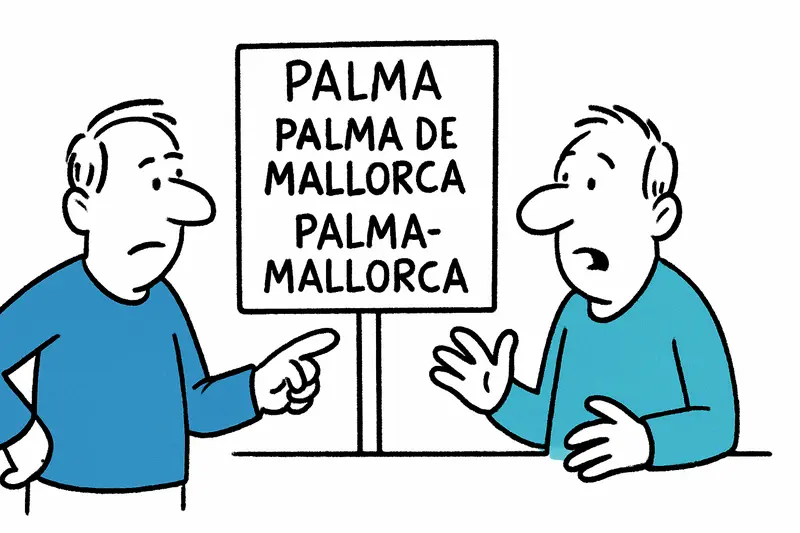
Palma, Palma de Mallorca, Palma‑Mallorca: What is it really about?
The debate over the city's name is more than grammar: it concerns identity, law and branding policy. A sober reality che...
More to explore
Discover more interesting content

Can Cap de Bou

Townhouse Lleo 72
