
Arrests at Sea: How Palma Grapples with the Detention of Three Mallorcan Women
Three women from Mallorca were detained in international waters by the Israeli navy. On Plaza de Cort, concern turned into candlelight vigils and calls for clear consular and legal procedures. A look at the legal grey areas, the psychological dimension and concrete steps the island can take.
Arrests off the coast: candles, diesel smell and the question of protection
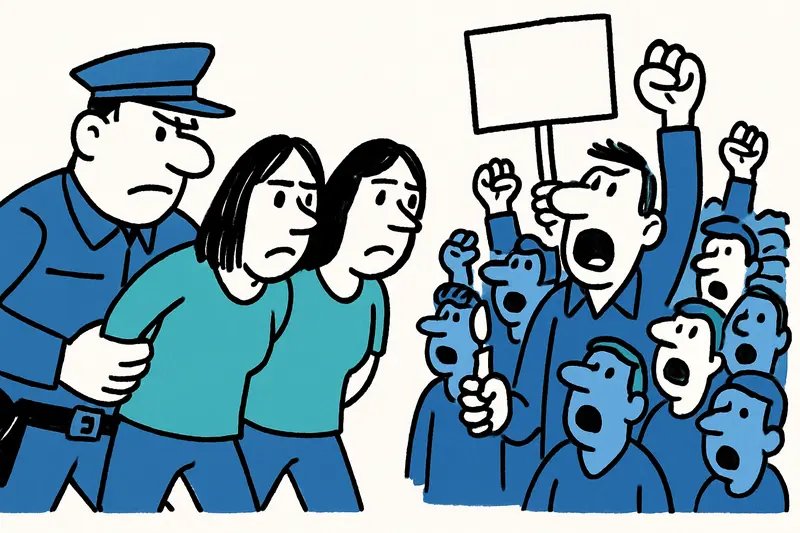
Plaza de Cort smelled of diesel, hot wax and the damp chill of a late autumn evening. People stood close together, some holding thin candles, others holding cardboard signs fluttering in the light breeze. The scene that evening was typically Mallorcan: close to the sea, loud at heart, quiet in mourning. It concerns Lucía Muñoz, Alejandra Martínez and Reyes Rigo — three women from the island who were taken into custody on the high seas after the Israeli navy intercepted an aid flotilla (see Gaza flotilla incidents (Wikipedia)).
More background is available in Detenciones en alta mar: Tres mallorquinas detenidas en Israel — Palma entre preocupación y protesta.
The guiding question: How far does protection extend for Mallorcans in international waters?
This question hung silently over Plaza de Cort. Home, the evening showed, is more than a passport or a registered address; it is also the expectation that the state will act when citizens are in danger. Legally it is complicated: interventions outside the twelve-nautical-mile zone touch on United Nations Convention on the Law of the Sea (UNCLOS), sovereignty issues and the practice of consular assistance. For relatives this is not theory but existential pressure: who informs the families? Who pays for lawyers? Who ensures that those affected do not disappear into a system far from our laws?
What often gets lost in the debate
Many emotions were visible on the plaza — yet three less-noticed levels remained invisible in many conversations:
1. Consular limits: Consular protection is not automatic; see the Spanish Ministry of Foreign Affairs consular protection page. It depends on bilateral relations, diplomatic possibilities and fast, knowledgeable interventions. A routine phone call is rarely enough; expertise in maritime law and international contacts on site are needed.
2. The trail of communication: Reports that phones may have been thrown into the sea highlight a frequently forgotten problem: without means of communication the legal situation for those affected becomes doubly precarious. Documentation, witnesses and the ability to prepare immediate legal actions suffer as a result.
3. Long-term psychological consequences: Detention, isolation and uncertainty leave marks. Relatives and returnees need not only legal help but therapeutic support — something that is often overlooked in the acute phase of outrage (see WHO guidance on mental health in emergencies).
Reactions in Palma: more than outraged faces
The Balearic government official website has expressed concern and local groups organized vigils. On the plaza one could hear the clinking of an espresso cup from the corner café near Cort, the creak of a streetlight and quiet, tense discussions about what concrete help should look like. Trade unions, neighborhood associations and individual council members are calling for transparent information channels, a legal support network and rapid financial assistance for affected families.
Concrete opportunities: what Mallorca could do now
The situation cannot be solved by demands alone. There are practical steps the island could take in the short term to strengthen its response:
1. Rapid legal crisis network: An alliance of lawyers experienced in maritime law, interpreters and activists, funded through a solidarity fund, could provide immediate assistance and coordinate consular steps.
2. Duty of transparency for representations: Consulates and diplomatic missions should provide regular, public status reports — not formalistic notices, but comprehensible action plans that families and the media can use.
3. Psychosocial aftercare: Cooperations between health centers, NGOs and community centers for trauma and family counseling would offer concrete protection for those affected after their return.
4. Municipal emergency structures: Town halls can quickly compile lists for those affected: translators, short-term accommodation, legal contacts. Small, pragmatic aids that truly relieve people in the moment.
Why Palma is affected — and will remain so
Mallorca has long been a hub of transnational movements: families, volunteers, activists, fishermen. A fisherman from Portixol put it bluntly: "Politics used to end at the harbor. Today it reaches the quay." Decisions made far out at sea land here — in living rooms, on the squares, in municipal councils.
The coming weekend promises further demonstrations, information evenings and debates. Those on site should check local channels: short-term solidarity actions, legal consultations and neighborhood meetings can make a difference after these arrests. It is not only about outrage; it is about institutional responses that go beyond the candlelight.
The situation is complex, legally difficult and emotionally charged. If Mallorca wants to be more than a backdrop for international conflicts, it needs clear structures, reliable legal pathways and the courage to translate local solidarity into lasting support measures.
Frequently asked questions
What should families in Mallorca do if a relative is detained at sea?
How much protection do Spanish citizens have in international waters?
Why are people in Palma protesting the detention of the three Mallorcan women?
What kind of legal help is useful after a detention at sea in Mallorca?
Why does losing a phone matter so much in a detention case at sea?
What support do detainees and families in Mallorca need after an arrest at sea?
Where did the solidarity vigil in Palma take place?
What can Mallorca’s local authorities do in a case like this?
Similar News
Masked Images, Real Panic: When Social Media Aesthetics Alarm Neighbors
Five German content creators filmed on a recently vacated detention site using deceptively realistic props. The result: ...
Why the Striped Breams in Cala Pí Should Be a Wake-up Call
Once again bathers in Cala Pí were surrounded while swimming by small, nippy fish — some wounds bled. Time for clear rul...
Daily from New York: How Palma's Air Traffic Is Growing — and What Must Change
United will increase the Newark–Palma service to daily flights in 2027 (Boeing, 231 seats). Strong tourist numbers clash...

When Love Ends in Shards: Destruction in Son Vida and the Questions That Remain
In Son Vida a relationship dispute escalated: a woman destroyed furniture in a luxury villa, later pressed a panic butto...

Who Bears the Burden? Mallorca Between Tenant Protection and Landlord Fears
Madrid's new housing decrees strengthen tenant rights — but on Mallorca concern is growing: will the law drive small lan...
More to explore
Discover more interesting content

Can Cap de Bou

Townhouse Lleo 72
