
Dispute in Santa Catalina: Who's Telling the Truth — Owner or Neighbors?
Dispute in Santa Catalina: Who's Telling the Truth — Owner or Neighbors?
In the meeting place Santa Catalina, residents and an owner clash over vacation rentals, construction work and nuisances. The facts are incomplete and dialogue is stalled. A reality check with an everyday scene and concrete suggestions.
Dispute in Santa Catalina: Who's Telling the Truth — Owner or Neighbors?
Key question: Are the presented permits and an investor's denial enough to end rumors about vacation rentals and building violations?
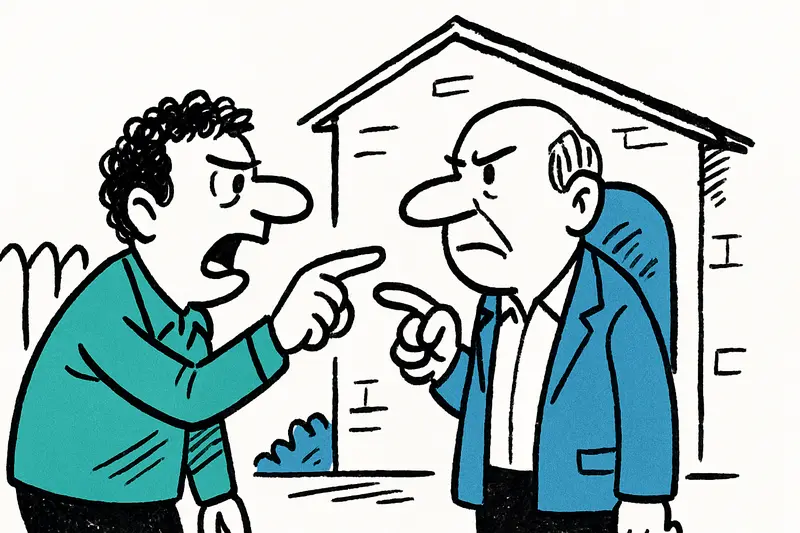
In the afternoon, when the rain quietly runs over the cobbles of Pursiana Street and the smell of freshly brewed coffee drifts from a small bar, passers-by discuss the house numbers where tempers are currently running high. Mopeds rattle, a garbage truck passes by, and a fresh graffiti is said to have been painted on a front door. This is exactly where the dispute lies: a Swedish businessman, owner of six houses and a shop, rejects accusations that his buildings were used for tourist short-term rentals, that there were irregularities in renovations, or that neighbors were harassed.
Fact: The investor says he bought six houses and a shop in 2017, not "all the houses in the area", as suggested in "They want to drive us out": Longstanding residents in Santa Catalina against alleged investor. According to him, he produced the building permits and stated that island council inspectors found no regulatory violations on site. He denies having bought from a British seller and instead names a German seller living in Spain as the source.
Critical analysis: At first glance, the formality — building permits and an inspection result — stands against the perception of some residents. Official papers are important, but they do not automatically resolve social tensions. Building regulations and permits determine what is legally allowed; they do not regulate noise, rubbish, short-term occupancy peaks before holidays, or the atmospheric displacement of long-established neighborhoods, as shown in Noise, rings, deposit gone: Colònia de Sant Jordi and the problem with dubious landlords.
Missing from the public debate is an important perspective: that of other residents (were there really only a few?), concrete administrative records on rental use (are there registration numbers for tourist rentals at these addresses?), and transparent information about which specific works were approved. It also remains unclear how complaints were handled administratively: were reports filed, dismissed, or simply never officially recorded?
Another question hangs over the dynamics: if indeed only one neighbor voiced the accusations, how credible is that view compared with a larger household community? And why did the situation escalate to the point that the owner gave up his idea of living in one of the houses himself? That points to lasting tensions that cannot be resolved by paperwork alone.
Everyday scene from Mallorca: Whoever strolls through Santa Catalina on a rainy morning hears the voices of market vendors at the Plaça Santa Catalina: Market Between Everyday Life and Performance and sees workers in high-visibility vests on scaffolding and meets business owners who must keep track between deliveries and regular customers. In such neighborhoods, proximity is always a balancing act between commerce, permanent households and tourist use. When a house becomes a contentious issue, it affects the streetscape and the neighborhood climate.
Concrete solutions: 1) Create transparency: The city administration should publish easily accessible information on rental registrations and the exact scope of approved construction works. 2) Offer mediation: A local mediator could quickly coordinate talks between the owner, neighbors and the municipality. 3) Strengthen complaint management: A traceable documentation of all reports and inspections prevents rumors. 4) Visible identification: Apartments legally registered as holiday lets could display a registration number at the entrance so neighbors know what to expect. 5) Preventive neighborhood meetings: Owners should inform residents before renovation work; information often diffuses misunderstandings.
What is missing in the public discourse is a neutral verification path: not every criticism is justified, but administrative cleanliness alone is no guarantee for calm in the neighborhood. Official records must be complemented by regular, public reports on complaints and their outcomes; this builds trust.
Pithy conclusion: Papers and permits are one truth. The other lies in the daily experiences of the neighbors. As long as both sides do not come together at one table and the administration does not disclose its checks, Santa Catalina remains a matter of dispute — between those who provide facts and those who feel their street is losing its character. A mix of transparency, mediation and clear communication could reopen the conversation and give the houses on Pursiana Street the quiet many seek.
Frequently asked questions
Can building permits alone settle a neighbour dispute in Mallorca?
How can residents tell if a property in Mallorca is being used as a holiday rental?
What should you do if a neighbour dispute in Mallorca keeps escalating?
Why do renovation works in Santa Catalina sometimes upset local residents?
Is Santa Catalina in Mallorca still a residential neighbourhood or more of a tourist area?
What can Mallorca councils do when neighbours complain about a property?
What information should be public in a Mallorca property dispute?
Why do some Mallorca neighbourhood disputes become about the character of the area?
Similar News

Near-miss on Lanzarote: Landing Ryanair Jet and Iberia Takeoff — what really went wrong
On Lanzarote there was a dangerous incident: A Ryanair flight (FR5910) from Dublin landed on runway 03 while an Iberia E...

Eurowings introduces new Premium Business seats on Mallorca routes
From December 1, selected Eurowings flights to Palma and other destinations will feature eight particularly generous sea...

Car on MA-13 near Inca in flames – a safety check for the island
A vehicle caught fire on the MA-13 towards Alcúdia on Tuesday afternoon. The driver was uninjured, the car was destroyed...

Real Estate in Mallorca: Fewer Buyers, Higher Prices — What's Behind It?
Sales on Mallorca are falling, yet prices continue to climb. Why fewer transactions do not equal relief — and what shoul...
Just Bought — Already Trouble: Water Damage in the Heiters' Villa and What Owners in Mallorca Should Know Now
A newly purchased sea-view property — and within days a water damage. What risks lurk in new properties in Mallorca, and...
More to explore
Discover more interesting content

Can Cap de Bou

Townhouse Lleo 72
