
Doctors' Strike in Mallorca: Week 4 – Minimum Services, Empty Waiting Rooms and Open Questions
Doctors' Strike in Mallorca: Week 4 – Minimum Services, Empty Waiting Rooms and Open Questions
The doctors' protest enters its fourth week. The Balearic health authority has imposed minimum services — but many questions about care provision, negotiations and rural centers remain unanswered.
Doctors' Strike in Mallorca: Week 4 – Minimum Services, Empty Waiting Rooms and Open Questions
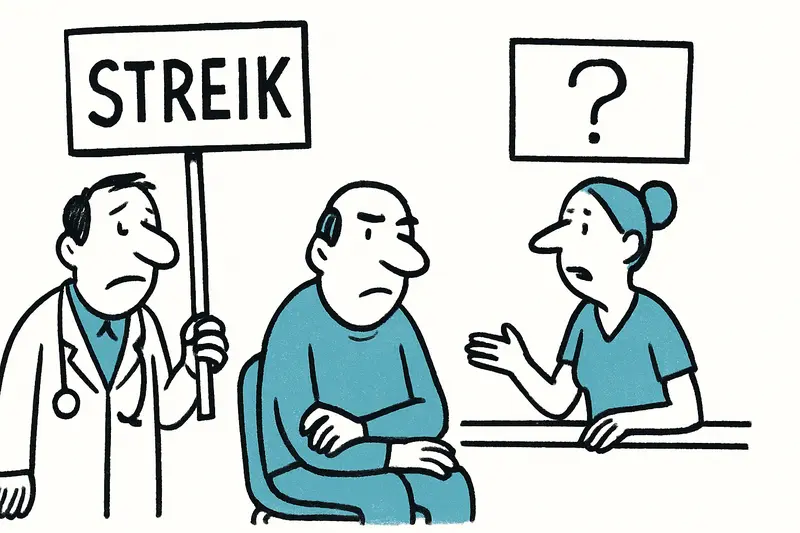
The Balearic Islands are experiencing a disruption to everyday healthcare: the doctors' strike has now entered its fourth week, and IB‑Salut has ordered temporary minimum services. Emergency departments, the 061 ambulance service and on‑call centers are to be fully staffed according to the decree; at the Centros de Salud at least one general practitioner and one pediatrician must be reachable per shift. The union Simebal makes clear with its protest, as reported in Doctors' strike in the Balearics: Why the demonstration in Palma is more than a labour dispute, that it will not accept changes to working conditions in the public health system without a fight.
Key question
How can primary medical care be ensured during a prolonged labor dispute without broadly weakening the negotiating position of doctors?
Critical analysis
On paper, minimum services sound clear and reliable. In practice, however, the calculation is more complicated: a single doctor on duty in a rural health center cannot simultaneously handle routine consultations, acute cases and the care of chronic patients. The situation is particularly strained in smaller municipalities, where workforce reserves are already thin. For emergencies there is the ambulance service — yet many everyday complaints are not classic emergencies and suffer when appointments are postponed. Even more difficult is the growing mental burden on the remaining doctors; longer shifts increase the risk of errors and exhaustion. This is illustrated in Day Two of the Doctors' Strike: Why Healthcare in Mallorca Is Faltering.
What is often missing from the public debate
There is much talk about numbers and orders, but little about continuity of care. Especially urgent is the situation of primary care for chronically ill patients, preventive services and child and prenatal care in remote places. Hardly discussed is how the cancellation of regular consultations will strain the emergency system in the long run: those who cannot resolve their problems at the Centro de Salud will sooner or later end up in the emergency department. This gap is examined in Doctors' strike on Mallorca: Who gets left behind?.
Everyday scenes from Palma and the island interior
On a Tuesday morning in front of the Centro de Salud in Santa Catalina a small queue forms. Prams roll over the cobblestones, a bus hisses by, vendors call out their goods. An elderly woman explains that her blood pressure appointment was postponed and she is unsure whether to make the trip to Palma, as documented in Empty waiting rooms, white coats in front of the Delegación del Gobierno: Hundreds of doctors closed their practices on Friday. In Sineu a father discusses a replacement appointment for his son with the reception by phone. Scenes like these show: for many people it is not the headline but the lost hour of trust with their family doctor that matters.
Concrete solution approaches
A compromise must connect several levels: pragmatic short‑term measures to relieve pressure and structural steps for the time after. Practically feasible measures could include: tiered minimum services with clear priority catalogs distinguishing routine and acute care; time‑limited deployment contracts for doctors from the mainland; a regional pool of specialists for rural centros; greater use of telemedicine consultations so specialist questions can be resolved without travel; and a binding roadmap for negotiations between IB‑Salut and Simebal that defines transparent goals and deadlines.
What should happen now
Negotiation does not only mean exchanging demands, but creating concrete guarantees. IB‑Salut should promptly publish a detailed breakdown of deployment plans: which services are limited in which municipalities and what alternatives exist. At the same time, doctors need protections against overload — for example mandatory rest periods and external support when shifts must be extended.
Conclusion: Ordering minimum services is technically correct, but it does not answer the question of lived everyday care. As long as it is unclear how missed appointments, rural care gaps and the psychological strain on remaining colleagues will be compensated, the situation remains fragile. On Platja de Palma as in Puigpunyent, it is felt: it is not only about duty rosters, but about trust — and that cannot be restored by decrees alone.
Frequently asked questions
How does the doctors' strike in Mallorca affect ordinary GP appointments?
Will emergency care in Mallorca still be available during the doctors' strike?
What does minimum service mean in Mallorca's health centres?
Is it still worth going to a health centre in Mallorca if I have a chronic condition?
How is the doctors' strike affecting smaller towns in Mallorca?
What should parents in Mallorca expect for pediatric care during the strike?
Why are doctors in Mallorca striking over working conditions?
What can patients in Palma do if their appointment is cancelled during the strike?
Similar News
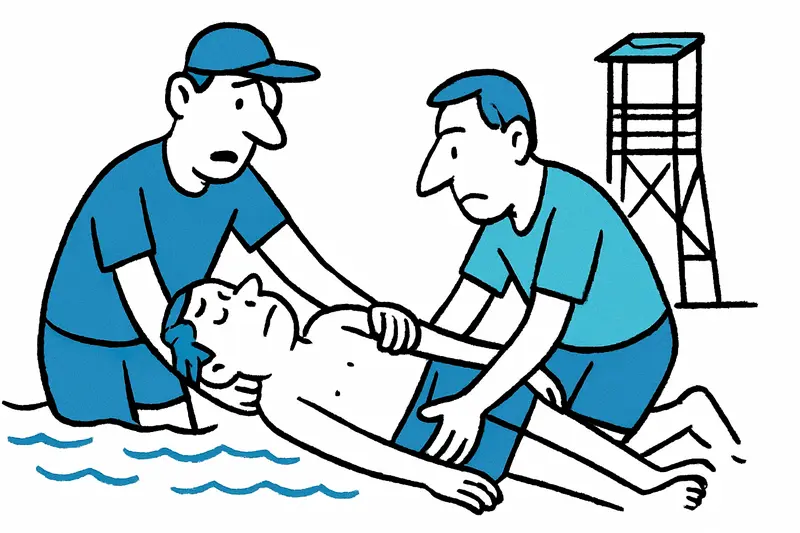
Magaluf: Watchtower Alarm – Lifeguards Pull Unconscious Beachgoer from the Water
After a drama in the late afternoon, two lifeguards at Magaluf beach rescued an unconscious 44-year-old man. He was stab...

Turquoise in the City: How dangerous is the color play of the Sa Riera?
The Sa Riera in Palma suddenly turned turquoise — a pretty motif, but behind the effect lies a discharge of saline waste...

Jeckliner at Sunnesching: Cologne spirit sets sail from Palma
In September 2027 the Mein Schiff 2 briefly becomes a floating carnival stage: four days with Cologne bands, comedy and ...
Finally Home: Mike and Leyla Heiter Buy Villa with Sea View in Mallorca
The reality TV couple Mike and Leyla Heiter have bought a house in Mallorca with a roof terrace and sea view. An Instagr...

Arrest after series in Palma: Who protects apartments from repeat offenders?
The National Police arrested a man in Palma who investigators say may have broken into several apartments. In one incide...
More to explore
Discover more interesting content

Can Cap de Bou

Townhouse Lleo 72
