
Package on the Beach: What the Find at Playa de Muro Reveals
Package on the Beach: What the Find at Playa de Muro Reveals
On Wednesday at midday lifeguards discovered a package in the water in Sector II of Playa de Muro — just under a kilogram, 25×15×5 cm. The Guardia Civil is investigating. What does this incident reveal about our coast, safety and on-site communication?
Package on the Beach: What the Find at Playa de Muro Reveals
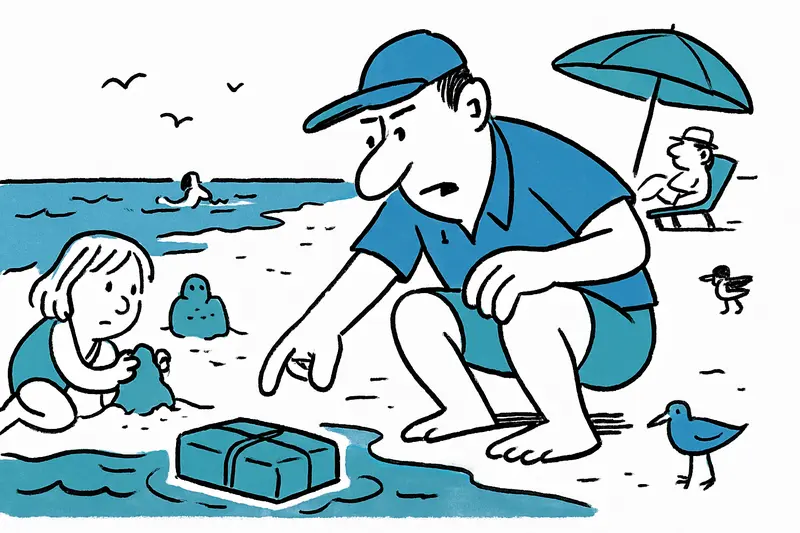
At midday the sun already warms the sand, children build towers at the water's edge, seagulls squawk over leftover fries — and lifeguards notice a foreign package drifting among the bathers. That is how the incident at Playa de Muro: Seconds That Saved a Life — and What We Must Learn began: on Wednesday, emergency personnel discovered in Sector II a container about 25×15×5 centimeters in size, weighing just under one kilogram. Lifeguards alerted the service, local police were notified, and the Guardia Civil later took over the investigation. Initial indications point to cocaine, but final analyses are still pending.
Key question
How vulnerable is our coast to drug smuggling — and how well prepared are routine procedures, communication and protection on site for such finds?
The scene on the beach shows: people here continue their summer routines. Beach chairs, umbrellas, the occasional sound of a boat. At the same time staff — the beach rescue crew — work quietly and routinely. That they discovered the package is no coincidence but an expression of their presence in the bathing area. This deserves recognition. But it must not obscure the fact that a possible narcotic can suddenly become part of everyday life in areas used by families and tourist groups.
What is critical is not only the find, but what becomes visible afterward: Who informs whom, how quickly are laboratory results communicated, how are bathers protected, and how transparently does the authority act? The Guardia Civil has taken over the investigation. That is correct. Yet much remains unclear for the public: Will the beach be monitored more intensively afterward? Who is responsible for assessing the risk to those directly affected — for example the lifeguards who may have touched the package?
Public discourse currently lacks a multi-level perspective. First: the chain from discovery to securing and analysis. Forensic lab results take time; meanwhile rumors spread along the promenade, in cafés and in chats. Second: the ecological and health consequences. What if liquids from damaged packages leak into the sea? Third: organizational prevention. Are there standardized reporting channels for beach staff and clear behavioral instructions for tourists?
Everyday relevance: Anyone who often visits Playa de Muro knows the bustle on hot days. Lifeguards sit in their white towers, whistle to keep order, and reunite lost children with their parents. Now they also have the role of keeping foreign objects away from the waterline and alerting authorities immediately. The mix of routine and the suddenly required police caution is hard to manage — especially when bathers ask questions and take photos.
Concrete solutions
1) Clear action guidelines for beach staff: a standardized protocol for found items with potential danger (keep distance, inform emergency services, cordon off). 2) Faster communication: a short official update from the municipality or beach administration that explains the situation without preempting investigation details. This calms the public and prevents speculation. 3) More coordinated presence: temporarily increased maritime patrols and drone surveillance during public announcements to prevent further finds. 4) Strengthen forensic capacities: better equip local laboratories so analyses do not take weeks. 5) Awareness campaigns: simple notices at beach entrances about what to do with unusual objects — this creates respect instead of panic.
These measures cost money and effort. But they send a clear signal: our beaches are not only places of recreation; they are places that must be protected — for residents, workers and visitors.
Brief conclusion: The find at Playa de Muro is more than a criminal incident. It is a wake-up call to those responsible and to the public to strengthen communication chains and coastal protection. Anyone sitting on the promenade listening to the surf wants to know their beach is clean and safe. That begins with clear procedures, transparent information and enough staff to respond appropriately to such surprises.
Frequently asked questions
What is the weather like in Mallorca in early December?
Can you still swim in Mallorca in December?
What should I pack for Mallorca in December?
Is December a good time to visit Mallorca?
What is Peguera like in December?
Is Palma de Mallorca worth visiting in winter?
What is Cala Millor like outside the summer season?
What are the best things to do in Mallorca when the weather is cooler?
Similar News
Ryanair Flight Diverted to Barcelona: An In-Flight Emergency and the Questions That Follow
A Ryanair jet from Pisa to Málaga landed in Barcelona after a passenger became acutely ill. Why these cases need more at...
Alarm in Port de Pollença: What now for the polluted bay?
Hundreds of people protested on the beach of Port de Pollença. The environmental organization Arrels Marines demands a p...

Micaela Schäfer: Between Playa de Palma and a Berlin Law Firm — New Calm, an Old Tomcat and Solid Finances
The party artist from the Ballermann scene appears surprisingly down-to-earth: a new relationship with a Berlin lawyer, ...
At Playa de Palma: Fire in Residential Building – six people rescued on the roof, what is missing in prevention?
In the evening a fire broke out on the first floor of a five‑storey building on Calle Trasimé. Six residents fled to the...
New License Requirement for Mini-Boats in Mallorca: Protection Measure or Tourism Brake?
From October 1 renters of small recreational boats in the Balearics must present a boating license. Critical questions r...
More to explore
Discover more interesting content

Boat Tour with BBQ along Es Trenc Beach

Private transfer from Mallorca Airport (PMI) to Pollensa
