
E-prescription switch in the Balearic Islands: weekend outage — who is prepared?
E-prescription switch in the Balearic Islands: weekend outage — who is prepared?
IB‑Salut is migrating the e-prescription system. On 21 and 22 February 2026 medications cannot be picked up using the health card. What this means for residents, tourists and pharmacies in Mallorca — and how to better survive the next system change.
E-prescription switch in the Balearic Islands: weekend outage — who is prepared?
IB‑Salut, the Balearic health authority, is migrating the e-prescription system. In short: under the new system patients will be able to see via an app which medicines have been prescribed and when they are ready to collect at the pharmacy. The flip side: on the weekend of 21 and 22 February 2026 pickups issued using the health card will not work. In urgent cases paper prescriptions remain as an emergency fallback.
Key question
How well are people in Mallorca — especially those with chronic conditions, older residents and tourists without a Spanish electronic health card — prepared for a temporary interruption?
Critical analysis
Technical migrations are rarely invisible. Introducing a new e-prescription platform can be useful in the long run: clearer medication overviews, fewer misunderstandings in pharmacies, and possibly less paperwork. In the short term, however, a clinical and organisational problem arises when a central identification route — the health card — suddenly fails. Two days without collection possibility means the risk of interrupted therapies for people who need regular medication. For tourists who often do not have the app installed or are unaware of local procedures, the situation is exacerbated. Similar eID failures have disrupted other services; see Technical roadblock in license sale: What the outage means for Mallorca's landlords.
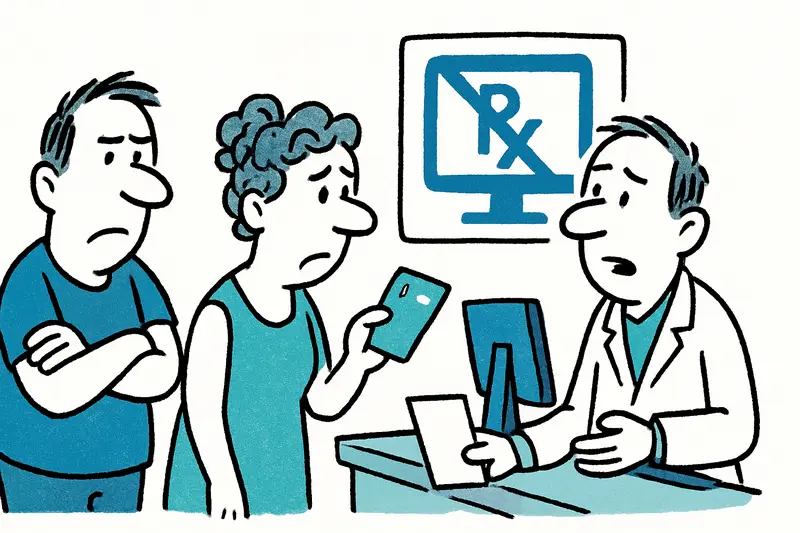
Pharmacies are the interface: they are on the front line when patients arrive and say, “My prescription is there, but I can’t get it.” Without additional resources long queues may form on streets like the Carrer de Sant Miquel in Palma or there may be frantic phone calls in the small pharmacies in Port d'Alcúdia, as reported in Hotline Out of Service: When Doctor Phones on Mallorca Go Silent. The emergency option — paper prescriptions — exists, but it is not the same as a full digital transition solution; paper must be issued, possibly translated and physically handed over. Even without official figures it is to be expected that demand will vary regionally.
What is missing from the public discussion
The debate often revolves around technology and deadlines. Less attention is paid to practical questions: Are there clear instructions for GPs and emergency departments on how to proceed when digital prescriptions do not work? Will pharmacists receive extra staff or emergency printers? How will elderly people without smartphones be informed? And what is the plan for tourists outside large hotels — for example the German-speaking retiree in Deià or the young backpacker in Palma? These everyday points are frequently missing.
Everyday scene from Mallorca
Imagine a Saturday afternoon: the market stalls at Olivar are still open, a Tramontana breeze mixes with the conversations, and a queue forms outside a pharmacy in La Lonja. A woman of about 70 is trying to explain in Spanish to her neighbour that her prescription won’t go through. A young tourist with suitcases asks for a painkiller because his flight was delayed. This is not a distant scenario — such situations are typical and show how quickly digital gaps become visible in everyday life.
Concrete solutions
- Transparent, early information: Pharmacies, GPs, municipalities and hoteliers must communicate the shutdown date in simple language and multiple languages. Flyers in medical practices, notices in pharmacies and information at hotel concierges are cheap and effective.
- Prepare emergency workflows: Clinics and GP practices should have standardized paper prescriptions on hand and know how to issue and validate them quickly. A simple stamp reading “Emergency 21–22 Feb 2026” would streamline procedures.
- Temporary hotlines and extra shifts: Pharmacies could be relieved by regional assistance or volunteers. A central information hotline from the health authority for short-term queries would be useful.
- Support for non-smartphone users: Mobile teams or municipal offices could help print prescription information. Pharmacies should not simply turn these people away.
- Coordination with the tourism sector: Travel agencies, landlords and airports should be informed so travellers receive instructions in advance.
Conclusion
The switch to a more modern e-prescription system can bring real benefits in the long term — less paper, better overview. But the price of poor transition planning is being paid now: by patients, pharmacies and the local health network. Two days without functioning collection are avoidable if authorities, practices and pharmacies use the remaining time, establish clear rules and warn people in Mallorca in advance. Otherwise the main memory of this progress will be a botched bridge between old and new technology.
Frequently asked questions
Will e-prescriptions in Mallorca stop working during the February 2026 health system switch?
What should I do in Mallorca if my regular medication is due during the e-prescription outage?
How will the new e-prescription system in the Balearic Islands work for patients in Mallorca?
Can tourists in Mallorca get medicine if they do not have a Spanish health card app?
What happens at pharmacies in Palma during the Mallorca prescription outage?
Will older residents in Mallorca need special support during the e-prescription switch?
What is the emergency alternative if an e-prescription does not work in Mallorca?
How should people in Mallorca prepare for the prescription system change?
Similar News
Released with Conditions: The Plus Ultra Suspicion and a Mallorcan Finca as Residence
A Dutch entrepreneur, sought in connection with the Plus Ultra case, was extradited to Spain after his arrest in Germany...

Haute Nuit in Puerto Portals: Fashion, Art and Indulgence by the Water
On October 2 the Lobster Club in Puerto Portals will be transformed into a stage for curated fashion, art and culinary e...
Magaluf: Watchtower Alarm – Lifeguards Pull Unconscious Beachgoer from the Water
After a drama in the late afternoon, two lifeguards at Magaluf beach rescued an unconscious 44-year-old man. He was stab...
Turquoise in the City: How dangerous is the color play of the Sa Riera?
The Sa Riera in Palma suddenly turned turquoise — a pretty motif, but behind the effect lies a discharge of saline waste...

Jeckliner at Sunnesching: Cologne spirit sets sail from Palma
In September 2027 the Mein Schiff 2 briefly becomes a floating carnival stage: four days with Cologne bands, comedy and ...
More to explore
Discover more interesting content

Can Cap de Bou

Townhouse Lleo 72
