
When the Educator Becomes the Accused: The Case of the Severely Injured Baby from Palma and What Is Missing Now
When the Educator Becomes the Accused: The Case of the Severely Injured Baby from Palma and What Is Missing Now
The public prosecutor is seeking 15 years in prison against a university professor accused of severely abusing his few-months-old son. The trial was postponed — a new expert report creates uncertainty.
When the Educator Becomes the Accused: The Case of the Severely Injured Baby from Palma and What Is Missing Now
Trial postponement, new expert reports and the questions our island must ask
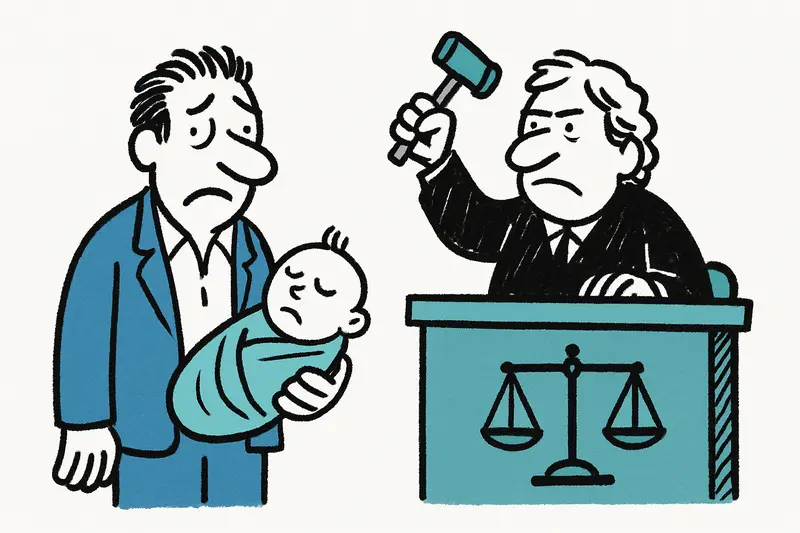
The news has caused shock in Palma: a Spanish national who is said to have worked as a university lecturer in pedagogy is, according to the prosecution, suspected of having inflicted severe physical abuse on his only a few months old son. The public prosecutor demands a prison sentence of 15 years, also requests compensation of €35,000 for the mother and the withdrawal of custody during any possible prison term. The trial scheduled for Friday was postponed because a new forensic report was submitted.
Main question: How is it possible that someone who presents himself publicly as an educator becomes the alleged perpetrator behind closed doors and the system nevertheless does not raise the alarm early? This question is bitter because it not only concerns the concrete case, but also calls into question protection mechanisms and trust in institutions, as other local cases such as Mother arrested in Palma – Three children left alone: How could this happen, and what needs to change? have shown.
The prosecution describes a period from the child's birth on December 8, 2023, until the incident on January 26, 2025. During this period, repeated attacks are said to have occurred, often when the mother was asleep or not at home. Medical examinations after the most serious incident in the night of January 25 to 26, 2025, revealed numerous bone fractures across the body: a fracture of the right clavicle, both upper arm bones broken, multiple rib fractures and a subdural hematoma. An earlier incident, in which the baby was allegedly shaken so violently that it bled from the mouth and nose, already resulted in a multi-day hospital stay.
The treating physicians applied their duty to report and informed the police; the investigations were taken over by the competent UFAM unit. Both father and mother were initially arrested; proceedings against the mother were later dropped. About 20 witnesses had been summoned for the announced hearing, until the judges ordered a postponement after a new expert opinion emerged.
Critical analysis: At first glance the medical evidence is impressive. Fractures in multiple locations and a subdural hematoma are not consistent with harmless accidents in infancy. Nevertheless, legal and practical questions remain open. Expert reports are often decisive — who prepares them, which methods are used and how transparent the results are can substantially influence the course of a trial. The postponement raises the legitimate concern that such delays prolong the suffering of those affected and increase public pressure toward sensational reporting.
What is often shortchanged in public debate: victim support is not only criminal prosecution. It is about medical aftercare, psychological support and long-term checks for the child. Equally important are preventive measures, because many cases involving infants rely on the child's surroundings recognizing and reporting signs — pediatric practices, midwives, neighbors, childminders. In Mallorca, where families live closely together in some neighborhoods and there is more anonymity in others, reporting works to varying degrees, as recent community incidents such as Baby disappears from bar – happy ending, but many questions for Mallorca illustrate.
A small everyday scene: Young parents sit on benches in front of the entrance to Son Espases hospital, the air smells of disinfectant and espresso. Conversations revolve around appointments for well-baby checks and annoying waiting times at the pediatrician. It is precisely in these waiting areas that doctors and nurses could spot early warning signs — bruises, inconsistent statements, repeated visits for unclear injuries. Yet staff shortages, time pressure and the fear of false accusations slow many professionals down, and concerns about hospital practices have surfaced before, for example in When the bargain leads to the hospital: Medical fraud in Palma and what now needs to change.
So what is missing concretely? First: standardized protocols for infant injuries in all emergency departments and pediatric practices on the island, complemented by mandatory short trainings for staff. Second: faster, independent forensic assessments — long waiting times for expert reports lead to trial postponements and heightened suffering. Third: better networking between health services, social services and the police, with clear reporting channels and a unified documentation system so that indications are not lost. Fourth: expansion of low-threshold parental support services — counseling, crisis hotlines and home support visits before stress turns into violence.
Concrete measures that can be implemented locally: mobile teams that carry out home visits within 24 hours of suspected cases; a mandatory reporting form in all emergency departments on Mallorca; a local training program for midwives and pediatricians offered annually; a publicly accessible hotline specifically for concerned neighbors and family members who want to give anonymous tips. Financing and capacities are political decisions — the island government and town councils are called upon here to set priorities.
In conclusion: The medical facts in this case are alarming; the legal processing must be thorough and swift. But prosecution alone is not enough. If we want such tragedies to become rarer, we need clear procedures in clinics, quickly available expert reports, better protection and support for families and a culture in which signs are not drowned out in everyday life. The quiet reality in front of the hospital gates shows that prevention is possible — if we finally take it seriously.
Frequently asked questions
What is the weather like in Mallorca in late spring?
Can you swim in Mallorca in spring?
What should I pack for Mallorca in spring?
Is spring a good time to visit Mallorca?
What is the weather like in Palma de Mallorca in spring?
Is Alcúdia warm enough for a beach holiday in spring?
What is Pollença like to visit in spring?
Are the Tramuntana mountains in Mallorca good for hiking in spring?
Similar News
The Painter Who Lived Mallorca: Franz Taussig and His Century-Old Secret
A hundred years ago a young Viennese arrived in El Terreno, sketched the island and called himself Francis Caron. Today ...
Airport dispute: Bridge, forecasts and the question of responsibility
A video by the Spanish transport minister has ignited the dispute over DORA figures, capacities and local governance pow...

The Painter Who Invented Himself: How a Young Viennese Drew Mallorca
A hundred years ago a 19-year-old draftsman arrived in El Terreno. His diary and sheets, long known under the pseudonym ...
Released with Conditions: The Plus Ultra Suspicion and a Mallorcan Finca as Residence
A Dutch entrepreneur, sought in connection with the Plus Ultra case, was extradited to Spain after his arrest in Germany...

Haute Nuit in Puerto Portals: Fashion, Art and Indulgence by the Water
On October 2 the Lobster Club in Puerto Portals will be transformed into a stage for curated fashion, art and culinary e...
More to explore
Discover more interesting content

Can Cap de Bou

Townhouse Lleo 72
