
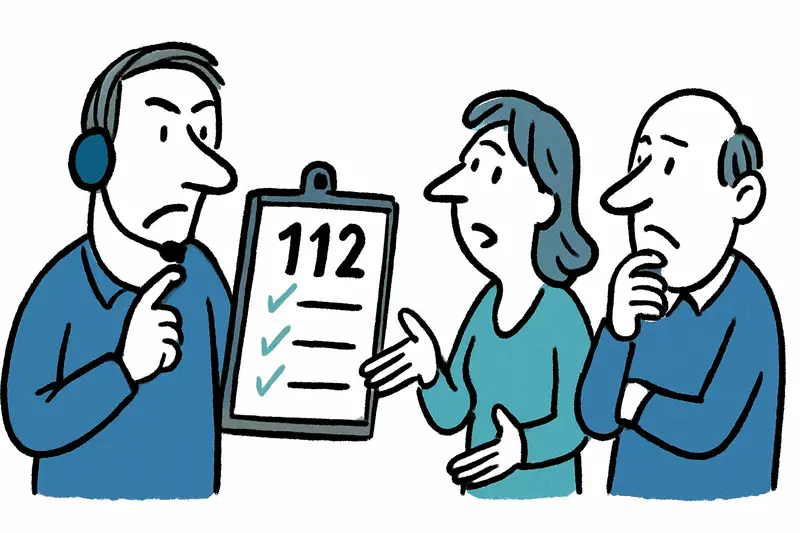
Christmas Eve in the Balearic Islands: 112 takes stock — 69 incidents, many unanswered questions
Christmas Eve in the Balearic Islands: 112 takes stock — 69 incidents, many unanswered questions
The 112 emergency centre reports 69 directly Christmas-related operations on Christmas Eve — Majorca leads the list. Why do such incidents accumulate, and what is overlooked in the debate?
Christmas Eve in the Balearic Islands: 112 reports 69 incidents — Majorca ahead
Quieter Christmas than feared in some places, but: the numbers raise questions
The 112 emergency centre in the Balearic Islands recorded a total of 677 incoming calls on Christmas Eve; 69 of these incidents were directly related to the festive night. The distribution is clear: 57 operations on Majorca, 7 on Ibiza and 4 on Menorca. The most common reason for dispatches were medical emergencies. Additionally there were 13 recorded fights, 9 traffic accidents and several break-ins and thefts.
Key question: Why do so many medical emergencies and conflicts occur on an evening when many families are at home and streets may appear emptier — and how well is the island really prepared?
Critical analysis: At first glance the balance does not read as dramatic. 69 incident-related cases among hundreds of calls are not a mass event. But the raw numbers obscure distribution patterns and peak pressures. Majorca bears the lion's share with 57 operations; that shows that the large population and dense urban areas — Palma, Playa de Palma, the harbour districts — produce stress peaks even on holidays. Similar pre-Christmas observations were reported in Immaculate Conception on Mallorca: Shops closed, questions remain.
What is often missing in public debate: concrete time and location data. One hears '57 operations on Majorca', but not whether half of those occurred between 11 pm and 2 am in the centre or whether the missions were spread across the evening. Without these details it is hard to judge whether the staffing of emergency services, ambulances and police can be targeted to the right areas. Also under-discussed is response time: how long were rescue teams en route? Did callers have to wait long in phone queues? Such information would allow the system's load limits to be identified.
Everyday scene from Palma: On Christmas Eve people in Palma like to sit outside for a long time — chairs clatter at the Plaça de Cort, somewhere a firework pops, and occasionally a siren wails over the cobblestones. A market vendor packs away the last almonds, taxi drivers stand in groups on Avenida Argentina and discuss which shift is worth it. Such scenes show how quickly private festive mood and public services meet — and where conflicts can arise. Such dynamics at night have been chronicled in Six boats, 75 people: When the nights on the coasts grow denser.
Concrete solutions: First, better publicly accessible incident statistics are needed: time windows, neighbourhoods, types of incidents. Second, temporary medical posts at known hotspots (ports, large squares, popular seafront promenades) during peak hours would be a sensible addition to regular ambulances. Ports, in particular, have seen intense night operations reported in New surge of boat migrants: 122 people rescued in one day off the Balearic Islands. Third, the traffic situation in late evening hours must be improved — more available taxis, organised rides home or coordinated shuttle services could reduce alcohol-related incidents. Fourth: de-escalation teams and trained patrols for conflict situations in tourist-dense areas; their presence often calms things and prevents minor conflicts from escalating. Fifth: prevention via simple notices — for example visible signs for first aid stations or emergency numbers on boards at Christmas markets — helps avoid panic and delays.
Another point that is mentioned too rarely is the psychological component: holidays are stressful for many people. Missions on Christmas Eve often involve loneliness, overwhelm or acute mental crises. Low-threshold counselling services that are reachable outside normal office hours can help here.
Practical measures cost money and organisational effort. But it is clear: planning resources only by annual averages is not enough. Holidays and weekends bring different patterns. In the short term, a combined measure — increased readiness of ambulances at hotspots plus coordinated availability reports for taxis — could relieve a lot of pressure. Medium-term, pilot projects in heavily frequented districts would be useful to gather reliable data.
Punchy conclusion: 112's report is no reason to panic, but it is a pointer. A quiet Christmas is possible — if authorities, municipalities and service providers take peak times seriously, handle incident data more transparently and implement targeted practical precautions. For people on the island this means fewer sirens at night and more reliability when help is really needed.
Frequently asked questions
Was Christmas Eve in Mallorca especially busy for emergency services?
Why do medical emergencies increase in Mallorca on Christmas Eve?
Is it safe to go out in Palma on Christmas Eve?
What happens in Playa de Palma on Christmas Eve?
How do Christmas Eve incidents in Mallorca compare with Ibiza and Menorca?
What types of incidents are most common in Mallorca on Christmas Eve?
What should I pack or prepare for Christmas in Mallorca?
Why do people in Mallorca still need emergency help on quiet holiday nights?
Similar News
Released with Conditions: The Plus Ultra Suspicion and a Mallorcan Finca as Residence
A Dutch entrepreneur, sought in connection with the Plus Ultra case, was extradited to Spain after his arrest in Germany...
Haute Nuit in Puerto Portals: Fashion, Art and Indulgence by the Water
On October 2 the Lobster Club in Puerto Portals will be transformed into a stage for curated fashion, art and culinary e...

Magaluf: Watchtower Alarm – Lifeguards Pull Unconscious Beachgoer from the Water
After a drama in the late afternoon, two lifeguards at Magaluf beach rescued an unconscious 44-year-old man. He was stab...

Turquoise in the City: How dangerous is the color play of the Sa Riera?
The Sa Riera in Palma suddenly turned turquoise — a pretty motif, but behind the effect lies a discharge of saline waste...

Jeckliner at Sunnesching: Cologne spirit sets sail from Palma
In September 2027 the Mein Schiff 2 briefly becomes a floating carnival stage: four days with Cologne bands, comedy and ...
More to explore
Discover more interesting content

Can Cap de Bou

Townhouse Lleo 72
