
No More Coal Dust: Es Murterar Becomes an Energy Runway for the Future
No More Coal Dust: Es Murterar Becomes an Energy Runway for the Future
End of an era: The last coal units at the Es Murterar power plant are being shut down. For Mallorca this means cleaner air, protection for the wetland and new opportunities for renewable energy and local jobs.
No More Coal Dust: Es Murterar Becomes an Energy Runway for the Future
The shutdown of the last coal units creates space for renewable projects – and for nature next to the plant
On the edge of Alcúdia, where fishing boats glide into the harbor in the morning and the first market stalls are set up on the paseo, a visible trace of modern industry is being retired: the two last coal units of the Es Murterar power plant are being taken offline. With that, electricity generation from coal on Mallorca comes to an end.
The move is the result of an agreement from 2018 and is set within the context of the Balearic climate change law that came into force in 2019. The shutdown process has been underway since 2020 – now the final chapters of a multi-year move away from fossil coal are closing. For local residents this means less dust, fewer odors carried by east winds and direct relief for the wetland next to the plant, which provides habitat for rare bird species (When the reservoirs shrink: How Mallorca's water shortage affects Palma and the villages).
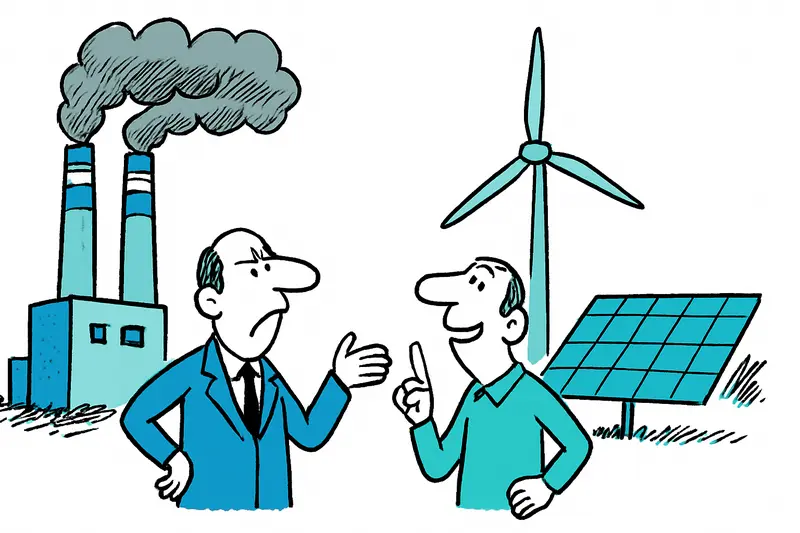
It is important to emphasize: Es Murterar will remain an energy site, but with a different focus. Instead of colossal boilers, areas for solar or wind technology, for battery storage and other grid-supporting installations are conceivable. Endesa has announced plans to prepare conversions and to dismantle the units according to circular economy criteria. In addition, local workers are to be involved in the new tasks through targeted training.
This is a triple win for Mallorca: lower emissions, protection of a valuable wetland – which in the mornings is enlivened by herons and other migratory birds – and new job opportunities in a growing sector. Those driving through Alcúdia already notice the changes: fewer trucks carrying coal, more lorries with solar panels and containers for technical equipment.
Of course, questions remain open. How quickly will capacities for renewable energy and storage be built? How are land use, permits and grid connections planned? Here, municipalities, utilities and authorities are called upon to provide clear timelines and participation formats so that the transformation secures jobs locally and actually improves the island's energy balance, as recent debates over Ports Plan Shore Power — Who Pays for Mallorca's Clean Ferries? show.
Concrete ideas to consider locally include: a solar area on decommissioned operational sites, a joint training center for battery systems and grid integration near the plant, and public monitoring of air and water quality around the wetland. Such projects could not only retain skilled workers but also strengthen acceptance within the neighborhood.
For people in the region, the news also has an everyday side: walks along the coast, birdwatching in the reeds and the fluttering of posters on Plaça de la Constitució may be less overlaid by the smell of the boilers. Small things that noticeably change quality of life.
This moment marks the end of an industrial era and at the same time offers a starting chance. If authorities, companies and residents think together now, the old coal site can become a meeting place for new energy – quieter, cleaner and with regard for the reed-lined edge where rare birds need their peace. Local risk context, including the status of wildfire season, is covered in Wildfire Season in Mallorca Officially Over — Relief with Reservations. Those who attend public information events in the coming months can help shape how this transformation looks in Alcúdia and across Mallorca.
Outlook: The shutdown is not an endpoint but the start of a redevelopment phase: renewable areas, storage, qualification offers. If implementation is carefully planned, the island will benefit both ecologically and economically.
Frequently asked questions
What is the best time of year to visit Mallorca for good weather and manageable crowds?
Is it safe to swim in Mallorca year-round, and what should I know about sea conditions?
What should I pack for a trip to Mallorca in spring or autumn?
What is the best way to get around Mallorca for a first-time visitor?
What are must-see spots in Palma and nearby areas?
What outdoor activities are popular in Mallorca?
What language do people speak in Mallorca and what currency is used?
Is Mallorca a safe destination and what should I know about healthcare?
Similar News

Prominence Alone Is Not Enough: The Case of Germania Mallorca and the Reality Behind the Dream
After six games the coach is gone. What does that say about ambitions, leadership and everyday life at FC Germania Mallo...

Blackboard on Mondays, Microphone on Weekends: How a Teacher Conquered the Ballermann Stage
She carries teaching materials and playback kits with her: once an elementary school teacher in Germany, today a fixture...

Winter over the island: Who keeps flying, who pauses — and what does that mean for Mallorca?
Palma airport reports almost eight million seats for the coming winter season. Between expansion by some carriers and co...

Kilograms of Cocaine in the Glove Compartment: Arrests in Son Ferriol Raise Questions
Two men (42, 50) were arrested in Son Ferriol after 2,240.96 grams (about 2.24 kg) of cocaine and just over €2,000 were ...
TIB adjusts winter timetable: More connections in German-influenced towns
From November 1 the TIB will run the winter schedule — not simply continuing as before, but with targeted improvements: ...
More to explore
Discover more interesting content

Can Cap de Bou

Townhouse Lleo 72
