
Wildfire Season in Mallorca Officially Over — Relief with Reservations
The season is over, barbecue areas are open again — but is the end of the season enough to really reduce the fire risk? A look behind the numbers, everyday weak spots and practical measures for the island.
Wildfire Season in Mallorca Officially Over — Relief with Reservations
As of today it is official: the wildfire season in Mallorca and the neighboring islands is over. For many it feels like a relieved exhale after months of prohibition signs on the beaches and closed barbecue areas, as reported in Mallorca on Alert: Highest Wildfire Warning Level and Scorching Heat – What to Do Now. In the villages you can see people carrying the first bag of olive leaves to the roadside, grills are rattling again on the promenade, and in the late afternoon you can once more hear the familiar chirping in some valleys — not the wail of sirens. But the central question remains: is the end of the season enough to truly bury the concern about large fires?
The balance: less area burned, but not necessarily less risk
The hard numbers are reassuring: by the end of September the fire department and authorities in the Balearic Islands recorded 62 fires, about half on Mallorca; roughly 28.88 hectares burned in total — significantly less than the previous year. This statistic lets emergency services breathe a sigh of relief, but it conceals something crucial: it is often not the large burned areas, but the many small ignitions that can become critical on windy days, in tight spaces and where there are few firefighting options. This broader national context is discussed in Spain is Burning: Fire Traces as Far as Mallorca – Is the Country Really Prepared?. Anyone who has ever walked in the Serra de Tramuntana on a windy day knows: a spark carried by a Tramuntana gust can travel far in narrow valleys.
What is missing in the public debate
The public discussion often focuses on hectare figures and hours of deployment, and less on causes rooted in everyday farming or gaps in infrastructure. Harvest season brings mowers into the terrain, olive and grape growers set controlled fires — often in narrow access routes where a fire truck can hardly turn. Many cisterns in remote communities are not regularly maintained, and water reserves are not always sufficient. Tourists and newcomers often do not know local rules, the topography, or the danger potential. Such structural weaknesses are underrepresented in the headlines.
Concrete opportunities instead of just bans
The quiet season is an opportunity for sustainable investments: wider, kept-clear access roads for fire services, regular maintenance of municipal cisterns, financial incentives for farmers to create firebreaks, and coordinated care of pine and macchia edges. Early detection points with cameras or drones in high-risk zones could make small ignitions visible more quickly. Equally important is better coordination between volunteer and professional fire brigades so that no time is lost in an emergency.
Everyday tips that really help
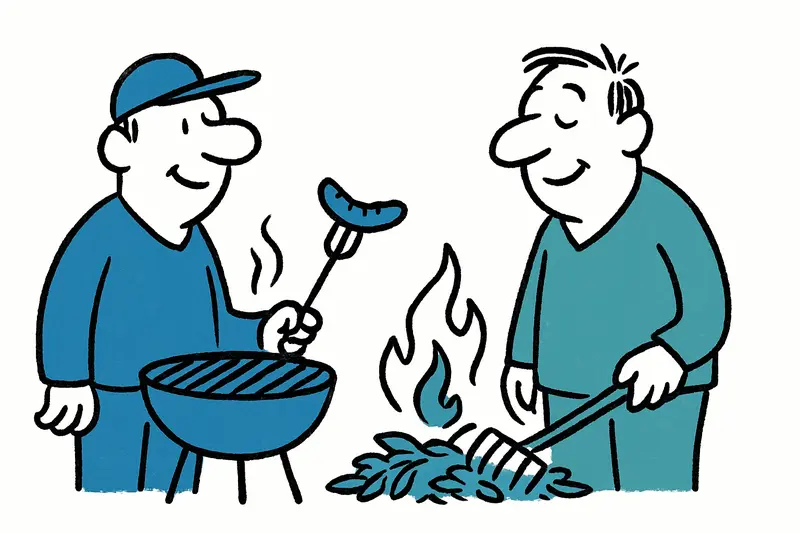
Some things are banal but effective: only barbecue at designated spots — preferably with fixed extinguishing points in sight, not on slopes or surrounded by scrub. When burning garden waste, pay attention to wind strength, time of day and mandatory extinguishing equipment; never light fires when the Tramuntana picks up. I have seen neighbors in Palma place a shovel and a bucket next to the grill — a simple, hands-on routine that can save minutes in an emergency. Smoke, sparks or a suspicion: call 112 immediately, do not wait and hope.
Practical measures for municipalities and citizens
There are many small levers: more signs at popular barbecue spots, information leaflets in town halls, clear rules for controlled burns with wind thresholds and mandatory extinguishing equipment. Municipalities could employ seasonal workers for prevention on a permanent basis and improve their pay — prevention costs significantly less than an evening large-scale deployment with sirens. Additionally: training for tourism staff, landlords and new island residents so they understand the risks and act responsibly.
Looking ahead — not a reason for false security
There is good news: reforestation actions like the planned 40,000 trees in Llevant Nature Park are important and show commitment. But climate trends extend dry periods, and the island location sometimes makes rapid assistance difficult. Our responsibility remains local: keep access routes clear, remove dry branches from houses, do not store firewood against walls. Such small measures are annoying, yes, but they are often the difference between a harmless evening and an operation that ends with sirens at night.
Build a little more caution into everyday routines — then we can approach next spring more calmly.
Frequently asked questions
Is wildfire season in Mallorca really over now?
Can you still have a barbecue in Mallorca after wildfire season?
Why can small fires still be dangerous in Mallorca?
What should I do if I see smoke or sparks in Mallorca?
What makes the Serra de Tramuntana especially risky during fire season?
What should rural homeowners in Mallorca do to reduce fire risk?
Are there still fire safety rules for tourists in Mallorca?
What fire prevention measures are Mallorca municipalities considering?
Similar News
Masked Images, Real Panic: When Social Media Aesthetics Alarm Neighbors
Five German content creators filmed on a recently vacated detention site using deceptively realistic props. The result: ...
Why the Striped Breams in Cala Pí Should Be a Wake-up Call
Once again bathers in Cala Pí were surrounded while swimming by small, nippy fish — some wounds bled. Time for clear rul...
Daily from New York: How Palma's Air Traffic Is Growing — and What Must Change
United will increase the Newark–Palma service to daily flights in 2027 (Boeing, 231 seats). Strong tourist numbers clash...

When Love Ends in Shards: Destruction in Son Vida and the Questions That Remain
In Son Vida a relationship dispute escalated: a woman destroyed furniture in a luxury villa, later pressed a panic butto...
Who Bears the Burden? Mallorca Between Tenant Protection and Landlord Fears
Madrid's new housing decrees strengthen tenant rights — but on Mallorca concern is growing: will the law drive small lan...
More to explore
Discover more interesting content

Can Cap de Bou

Townhouse Lleo 72
