
Mallorca on Alert: Highest Wildfire Warning Level and Scorching Heat – What to Do Now
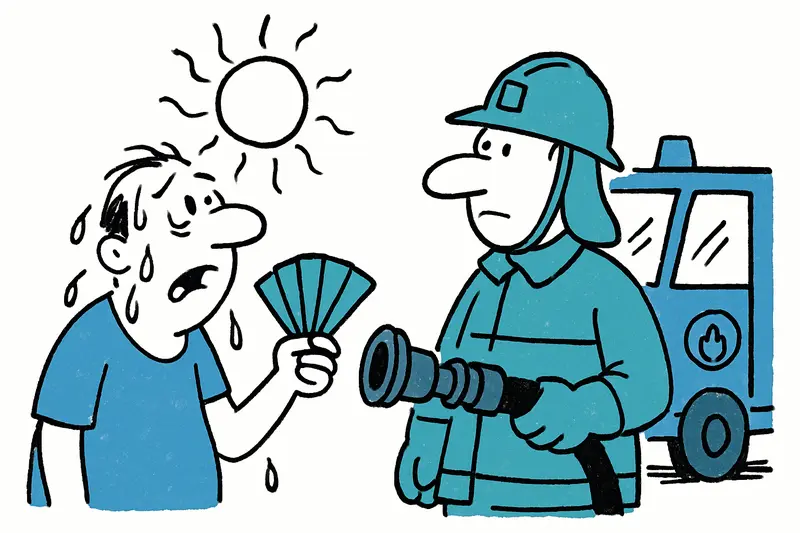
Mallorca has declared the highest wildfire warning level: temperatures around 40 °C, increased deployments of Bomberos and the Guardia Civil, and widespread closures. A look at the risks — and at concrete small and large measures that could help us all.
Mallorca on alert: heat, spark risk and a central question
The island is on the highest wildfire alert level, as reported in Mallorca declares maximum alert for wildfires. Forecasts predict peak values around 40 °C, the wind is variable, and the air is powder-dry – the ingredients for a weekend better spent in the shade than in the hills, according to Spanish Meteorological Agency (AEMET) heat warnings. The central question is: how do we prevent a small spark from becoming a catastrophe — and who bears the responsibility?
Local situation: sirens, drones and tense neighborhoods
Morning on the Plaça: fewer early risers, the clatter of bakery baskets sounds muted. The Bomberos de Mallorca are patrolling more often, at viewpoints like s'Estret fire trucks are on standby, and the Guardia Civil is controlling access roads. Drones hum over the pines and deliver real-time images. A sound mix of engine sirens, chirping cicadas and the occasional radio call — that's what alert feels like, and the situation is underscored by Alarm Level 4 in the Balearic Islands: Why Every Spark Counts Now.
Why the risk is greater now than before
Of course the weather plays the main role: higher temperatures and longer dry spells, as the Heatwave reaches 42 °C: How Mallorca should cope with the new temperature peak report shows. But that alone does not explain everything. In many parts of the island, village abandonment in the mountains has led to increased undergrowth. Parts of our landscape have become a kind of fuel depot: dense underbrush, old pine needles, invasive thorn scrub. Added are human factors that are often underestimated: discarded cigarettes, small barbecues in illegal spots, sparks from vehicles — and also agricultural burns that are not always controlled.
What has been neglected so far
Three points are missing from public debate: first, coordinated infrastructure for firefighting water in critical areas (mobile water basins and cisterns); second, clear rules and controls for tourist activities in risk zones; and third, sustainable landscape management. Often the focus is only on firefighting crews — prevention, however, is more expensive, longer-term and politically more difficult, but it has a clear effect.
Concrete measures that could help now
Short-term: closures of sensitive trails and parking areas, temporary bans on barbecues and open fires, clear parking rules at beaches and access roads, increased presence of emergency personnel at hotspots. Mobile water stores at strategic points and an expansion of drone surveillance would shorten response times.
Medium- to long-term: systematic firebreaks and fuel belts around communities; controlled grazing to reduce undergrowth; public protection zones with increased duties for property owners; expansion of an island-wide network of cameras and sensors for early warning; training programs for hosts and tourism operators so visitors understand when and where they can move safely.
What each of us can do now
Responsibility is not an abstract concept. Anyone who lives in a house in the mountains should trim hedges and keep access roads clear. Guests can follow simple rules: no cigarettes in nature, no improvised campfires, do not burn rubbish. If emergency personnel order evacuation of paths or preparation of refuge areas, one should not argue — but comply, following official advice such as Spanish Civil Protection evacuation guidance. And fill your water bottle, even if it sounds banal.
A look ahead: lessons from a hot weekend
This weekend's heat is a warning signal: climatic extremes will become more frequent. Mallorca therefore needs a mix of technology, manual work and community spirit. That means better infrastructure for fire brigades, but also more sheep herds in the garriga, neighborhood networks for quick response and stricter controls against reckless behavior.
The island may shine for tourists, but when flames come, local solidarity is what matters most. Listen to the announcements, do not park in access roads, keep paths clear — and look out for one another.
Frequently asked questions
Is it safe to hike in Mallorca during the highest wildfire warning?
What should I do in Mallorca when the heat reaches around 40 °C?
Can I still go to the beach in Mallorca during wildfire alerts?
Why is the wildfire risk so high in Mallorca right now?
What should people living in the Mallorca mountains do during wildfire alerts?
Where in Mallorca are fire crews and controls most visible during the alert?
What kind of barbecue or open-fire rules apply in Mallorca during wildfire danger?
How should visitors react if Mallorca Civil Protection orders an evacuation?
Similar News

Maribel: Five Decades of Service – Housekeeper from Peguera Celebrated with a Special Honor
Over 50 years in the hotel business: María Isabel “Maribel” Molinos was honored in Palma at the Nit del Turisme by Unive...
Orange Alert over Parts of Mallorca: Are We Prepared?
Dark clouds and an announced wet spell have triggered an Orange alert in parts of Mallorca. A reality check: what's miss...
Sundair & Co.: Sale speculation and what it could mean for Mallorca
Rumors about a possible sale of the airlines Sundair and Fly Air 41, which belong to Schauinsland-Reisen — and whether b...
Anne Wünsche in Mallorca: A job offer with a catch — who fits the role of personal assistant?
Influencer Anne Wünsche has left Berlin and is urgently looking for a full-time personal assistant in Mallorca. Why the ...

Daily from New York: Palma Between Boom and Strain
United will increase the Newark–Palma route to daily flights in 2027 using Boeing aircraft (231 seats). What does the in...
More to explore
Discover more interesting content

Can Cap de Bou

Townhouse Lleo 72
