
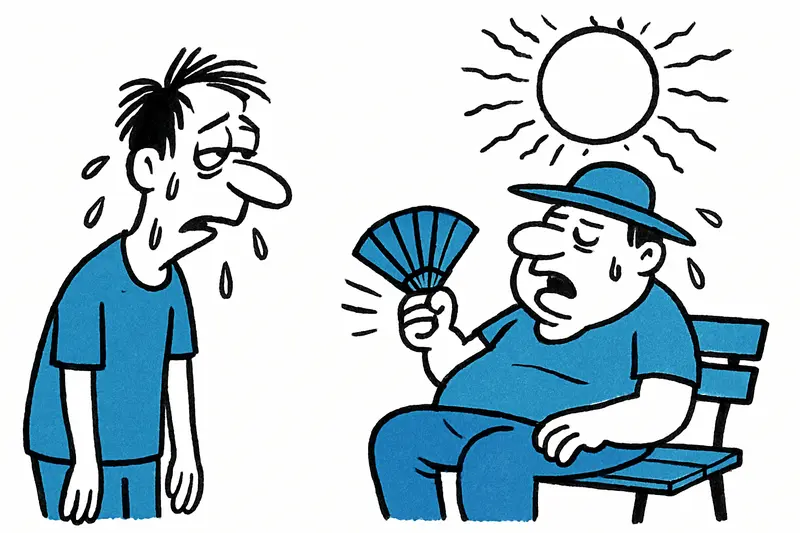
Heatwave reaches 42 °C: How Mallorca should cope with the new temperature peak
The current heatwave brings locally over 42 °C — a stress test for people, infrastructure and tourism. How is Mallorca preparing for such extreme temperatures?
Heat record and the big question: How will we live with 42 °C in the future?
As I walked across the plaza this morning, the air literally stuck to my shirt. The cicadas screamed, and the scent of dry rosemary hung over the avenues. Aemet warns: in the island's interior and in the south, local values around 42 °C are possible. The key question is not only how we get through the day — it's about how Mallorca adapts structurally to such peaks.
Why it gets so hot here
The answer is simple and unpleasant: topography and air masses. Inland and southern Mallorca lie in sheltered basins, warm continental air is trapped like in an oven. Added to that is often a dry, foehn-like flow that pushes temperatures even higher. Small towns like Bunyola, Puigpunyent and Esporles therefore often feel hotter than the coast. Montuïri already reported 41.5 °C yesterday — this is not an outlier, it's a trend, as discussed in When Mallorca Cooks: How Prepared Is the Island for the Next Heatwave?.
What is missing in the public debate
We talk a lot about thermometer readings. Less about the consequences that come quietly and slowly: night temperatures above 23–25 °C steal sleep; this affects health, productivity and traffic safety. Less considered are the stresses on the power grid, drinking water reserves and working conditions for construction workers or refuse collectors. And then there is the increased wildfire risk in the Serra de Tramuntana — a danger we have not only had since yesterday, as reported in Mallorca swelters once more: Short heatwave brings late-summer warmth.
Who is particularly at risk now
The usual groups remain vulnerable: older people, small children, and those with chronic illnesses. But people who work outdoors, homeless people and pets are also acutely at risk. Nights that do not cool down increase the danger: recovery is missing and exhaustion accumulates. Simple measures like regular drinking or cool rest breaks are important — but may no longer be enough in the future.
Concrete, pragmatic measures for the island
The discussion must not remain stuck in platitudes. Here are practical steps that municipalities, businesses and neighbors can implement immediately:
1. Public cooling and drinking stations: During hot periods, town halls, cultural centers and libraries should be designated as cooling spaces. Mobile drinking fountains or water bottle stations set up across the area help especially older people. This follows recommendations in Nearly 40 °C: Mallorca's Daily Life Under Heat Stress — How the Island Can Respond.
2. Adjust working hours: Move construction and gardening work to early mornings or late evenings. Employers should provide mandatory breaks and cooler deployment times.
3. Stronger focus on energy and grid stability: Peak demand from air conditioning must be planned for. Municipalities should review charging windows, load management and emergency power plans.
4. Wildfire prevention: Strengthen fire patrols, keep access routes clear and inform citizens about fire-safe behavior. With increased risk, short-term access restrictions to the Serra may be sensible.
5. Activate local neighborhood networks: Volunteers check on particularly vulnerable neighbors, distribute water and provide shaded spots. This is often more effective than you might think.
Tips for everyday life — short and clear
Practical rules that work immediately: drink plenty (still water), wear light clothing, cover your head, avoid direct sun between 12 and 17. Car in the sun? Interior can rise to 60 °C — never leave children or animals alone. And for tourists: plan walks for early morning or evening.
Looking ahead: urban planning, green spaces and behavior change
In the long term, Mallorca needs a rethink: more urban greenery, more shade on plazas and promenades, heat-resistant building methods and a move away from tourism optimization that ignores climate extremes. That means political decisions: plant trees, use permeable surfaces, cool roofs and invest in water storage.
Yes, it sounds like future talk. But on a hot Sunday like today you feel that it must happen quickly. The heat is not an episode. It changes daily rhythms, working conditions and neighborhoods. On the plaza people sought shade; an elderly neighbor sighed, "It wasn't like this before." We should listen to her — and act.
Aemet updates warnings hourly, and local coverage has highlighted this urgency in 40 Degrees This Weekend: Mallorca Faces a Heat Test – What Matters Now. Those who can help should check on older neighbors or report heat-related emergencies early. Mallorca is resilient. But resilience doesn't arise on its own. It needs planning, neighbors and sometimes a bit of practical common sense.
Frequently asked questions
How hot can it get in Mallorca during a heatwave?
Why does Mallorca feel hotter inland than on the coast?
Is it safe to swim in Mallorca during very hot weather?
What should I pack for Mallorca in very hot weather?
What time of day is best for walking in Mallorca when it is very hot?
Why are Bunyola, Puigpunyent and Esporles often hotter than other places in Mallorca?
What is Mallorca doing to cope with extreme heat in the future?
Who is most at risk during a heatwave in Mallorca?
Similar News

Maribel: Five Decades of Service – Housekeeper from Peguera Celebrated with a Special Honor
Over 50 years in the hotel business: María Isabel “Maribel” Molinos was honored in Palma at the Nit del Turisme by Unive...
Orange Alert over Parts of Mallorca: Are We Prepared?
Dark clouds and an announced wet spell have triggered an Orange alert in parts of Mallorca. A reality check: what's miss...

Sundair & Co.: Sale speculation and what it could mean for Mallorca
Rumors about a possible sale of the airlines Sundair and Fly Air 41, which belong to Schauinsland-Reisen — and whether b...
Anne Wünsche in Mallorca: A job offer with a catch — who fits the role of personal assistant?
Influencer Anne Wünsche has left Berlin and is urgently looking for a full-time personal assistant in Mallorca. Why the ...

Daily from New York: Palma Between Boom and Strain
United will increase the Newark–Palma route to daily flights in 2027 using Boeing aircraft (231 seats). What does the in...
More to explore
Discover more interesting content

Can Cap de Bou

Townhouse Lleo 72
