
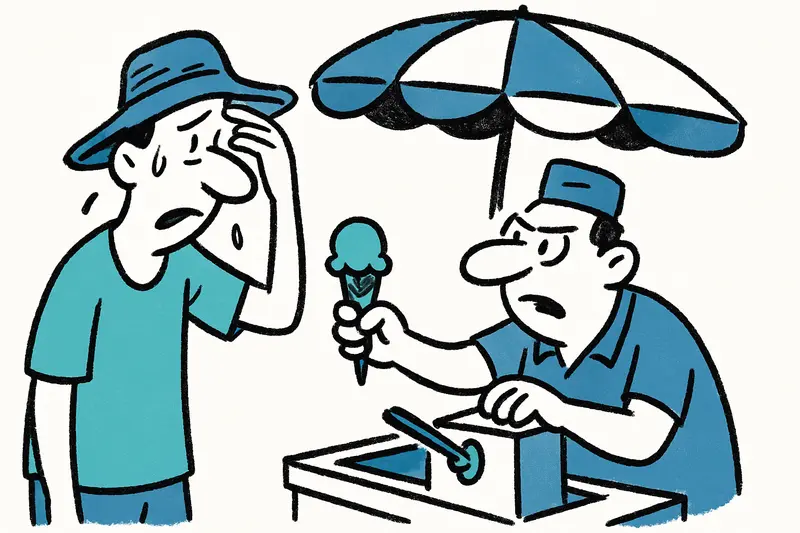
40 Degrees This Weekend: Mallorca Faces a Heat Test – What Matters Now
The coming weekend will likely bring peak temperatures around 40 °C. A look at the dangers, the less-discussed consequences — and concrete measures neighbors, employers and authorities can take to keep the island cooler.
How well is Mallorca prepared for 40 °C?
Aemet is forecasting values around 40 degrees for this weekend – especially the island's interior is in the hotspot, while the Tramuntana brings a small lifeline of cooler wind. But the question remains: Are we really prepared for a summer that will be like this more often? Local coverage documents these conditions in Nearly 40 °C: Mallorca's Daily Life Under Heat Stress.
The warning levels – only half the story
Yellow, orange, peak values on Sunday – it reads precisely. But behind the colors are people and systems: elderly neighbors in Son Servera, construction workers on sites in Inca, delivery drivers who have to take breaks in the blazing sun. Warning levels indicate that caution is needed. They do not explain how work breaks should be organized, how air-conditioned rest areas should be provided, or how tenants without air conditioning should be protected. Our in-depth piece Heat alert on Mallorca: How well is the island prepared for infernal heat days? explores these gaps.
What often gets overlooked
A few points that rarely make headlines: the many holiday apartments without proper cooling; the nightly heat in densely built neighborhoods of Palma that doesn't cool down; the extra electricity consumption when suddenly all air conditioners run – and thus the risk of grid bottlenecks. Agriculture and construction are affected too: harvest helpers and workers have little room for flexible hours. And pets on balconies? A balcony can turn into an oven within minutes.
There were still a few showers in places like Lloret de Vistalegre – they changed nothing. The hot air mass is pushing in from the south, and this is already the second heat wave of this summer, as reported in Heatwave reaches 42 °C: How Mallorca should cope with the new temperature peak. That makes it clear: heat is no longer a short-term episode but part of everyday life.
Concrete risks – and how to reduce them
Who is particularly vulnerable? Older people, small children, people with cardiovascular problems. But also outdoor workers and holidaymakers sweating in unfamiliar apartments without protection. What helps concretely in the next days:
For neighbors and families: take regular drinking breaks, open windows in the cooler morning and evening hours, keep them closed during the day; visit or call elderly people daily; never leave pets in a car or on an unshaded balcony.
For employers and organizers: move work to early morning or evening, provide shaded areas and water stations, schedule heat-free breaks; avoid or shift midday hours for festivals or markets.
For municipalities: install mobile drinking fountains in popular places, offer temporary cooling rooms in public buildings, promote street trees and temporary sunshades in public squares. Check buses and trains for functioning air conditioning – nobody needs a journey that is worse than the heat outside.
Think long-term – small measures, big impact
These heat waves will come more often. In addition to short-term emergency measures, we should think about lasting adjustments: more green in the streets (shade trees instead of concrete), reflective roofs, better insulation in hotels and apartments, support for efficient building cooling systems, and a neighborhood network for the most affected. Tourist organizations could also address travelers more proactively: information about heat, behavioral recommendations and directions to cooled meeting points on the day of arrival.
A small, concrete suggestion: temporary drinking stations at beaches and hiking parking areas, operated by municipalities and volunteers. Cost? Low. Impact? High – less dehydration, fewer rescue interventions.
What you can do these days
Plan walks in the cool morning hours (I was at 7 a.m. yesterday on Passeig Mallorca with the dog; after that, jogging in the midday sun was out of the question), move appointments to early or late hours if possible, and keep an eye on older neighbors. If you go into the mountains: replan routes and avoid midday. And yes: always have a water bottle at hand.
No reason to panic, but enough reason to take the heat seriously and respond locally in solidarity. Our island remains beautiful – we just need to handle the heat wisely.
Frequently asked questions
How hot will Mallorca get this weekend?
Is it safe to go swimming in Mallorca during a heatwave?
What should I wear and pack for Mallorca in extreme heat?
When is the best time to walk or exercise in Mallorca during hot weather?
Why is the Tramuntana cooler during a Mallorca heatwave?
Who is most at risk during a heatwave in Mallorca?
What can residents in Palma do when the nights stay hot?
Should pets be left on balconies in Mallorca during very hot weather?
Similar News
Who Bears the Burden? Mallorca Between Tenant Protection and Landlord Fears
Madrid's new housing decrees strengthen tenant rights — but on Mallorca concern is growing: will the law drive small lan...
On the Edge: What Mallorca's Airport Loses If a Major Low-Cost Carrier Falters
The company that operates numerous connections from Palma to France and domestically is negotiating with creditors to re...
Ballermann star Frenzy wins 'Villa of Temptation' and donates prize money to Mallorca animal rescue
Ballermann singer Frenzy won the German reality show and donated the remaining prize money — around €14,080 — to an anim...
70 Trees Removed on Avenida Jaume I: What's Happening in Santa Ponça?
On October 1 the final redevelopment phase on Avenida Jaume I in Santa Ponça begins: 70 trees and old streetlights are t...
When a Boundary Is Crossed: The Case of Isi Glück and the Responsibility of Venue Operators
The singer from Mallorca reports an assault backstage in Halle. A clear guiding question, analysis of missing protective...
More to explore
Discover more interesting content

Can Cap de Bou

Townhouse Lleo 72
