
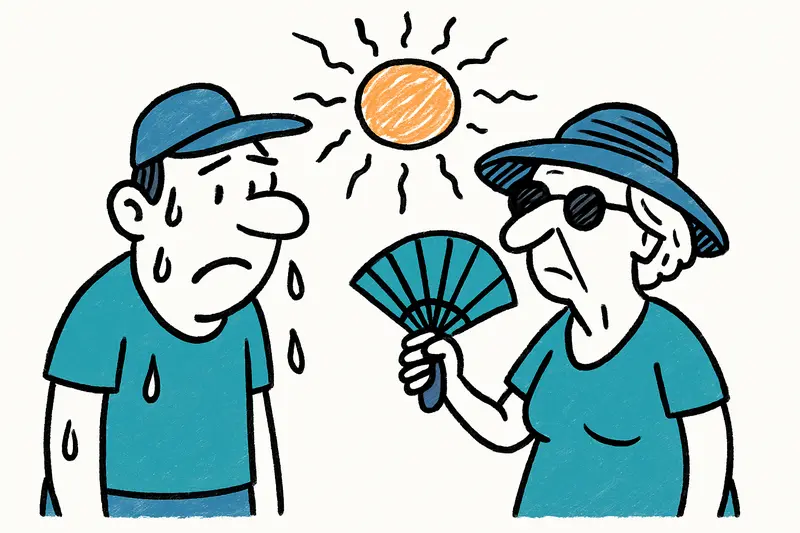
Heat alert on Mallorca: How well is the island prepared for infernal heat days?
African air brings up to 37 °C, Saharan dust makes the sky milky. A look at the risks, little-noticed consequences and practical solutions for Mallorca.
Heat alert on Mallorca: The island is sweating — and we ask how prepared it is
Anyone strolling along the Passeig today or wandering through the Mercat de l’Olivar will notice it immediately: the air is still, a shimmering veil hangs over Palma. Vendors restock water bottles, the first guests on terraces already sit in the shade, and the muffled hum of scooters in the alleys sounds different, almost lethargic. The reason is a hot air mass from the south — up to 36–37 °C are expected, Saharan dust makes the sky milky and the sun dimmer, but no less merciless. See coverage in When Mallorca Cooks: How Prepared Is the Island for the Next Heatwave?.
Key question: Is Mallorca ready for more frequent extreme heat?
Many feel the heat in everyday life; the central question is: Are our towns, villages and key infrastructures prepared for such heat peaks — not only in the short term but also in the long run? The answer is ambivalent. In the short term, traders, restaurants and tourists react flexibly: markets open earlier and activities shift to the morning. In the long term, however, we see gaps — in green spaces, shading concepts, heat action plans for vulnerable groups and in adapting traffic systems to overheated road surfaces. The ambivalence mirrors findings in Nearly 40 °C: Mallorca's Daily Life Under Heat Stress — How the Island Can Respond.
What often gets overlooked
Some aspects remain underexposed in public debate. Saharan dust is not only a picturesque motif at sunset: it worsens air quality, can aggravate respiratory problems and makes surfaces slightly slippery — an unpleasant surprise on a child's hand or a café table. Parking lots, aircraft taxiways and bus shelters also heat up extremely; this affects vehicles, tires and sensitive medical transports.
Another barely visible problem: electricity and water demand rise at the same time. Air conditioners run longer, irrigation systems are used more intensively — this puts municipal networks under stress, especially during tourist seasons. Added to this is the challenge of occupational safety: construction workers, agricultural helpers and delivery drivers are often the first who have to toil outdoors.
Concrete opportunities and solutions
Heat is not only a problem — it is also an opportunity to rethink. In the short term, pragmatic measures help: temporary drinking fountains at markets and beaches, cooling bus shelters, adjusted delivery times (earlier at night or in the morning) and mobile shade roofs for open-air markets. Municipalities could offer "cooling spots" for older people in cooperation with local pools and cultural centers.
In the medium term, investments in urban greening make sense: more street trees, permeable pavements and light-reflective asphalt coatings. At the municipal level, binding heat action plans should be developed: who informs whom? Who opens public spaces for cooling? Tourism offerings could also be adapted — more activities in the morning, sustainable climate control in hotels, information campaigns for guests.
And in the long term? Urban planning that reduces heat: smaller sealed areas, more shade corridors along promenades, mandatory vegetation quotas for new buildings and protection programs for near-urban water reservoirs. Such measures pay off not only on hot August days but improve quality of life year-round.
What matters in the coming days
The national weather service has issued yellow warnings and is monitoring the situation closely, and the coming weekend forecast is discussed in 40 Degrees This Weekend: Mallorca Faces a Heat Test – What Matters Now. For the next 48 hours: drink plenty of fluids, wear light-colored clothing, schedule activities for the mornings, and people with respiratory conditions should be especially cautious. From Thursday a change in air masses will bring cooling — but also the risk of showers and thunderstorms, particularly in the Serra de Tramuntana and the island's interior. The wind can suddenly shift and freshen; those hiking in the mountains should reconsider routes.
A final look: everyday tips with a Mallorcan touch
You can already see it at the markets: vendors set up earlier, melons and tomatoes find buyers faster. In small cafés at the plaça or the Passeig, the stalls are a bit cooler under awnings, cats seek refuge in the shade of fountains and in the evening lanterns throw almost cinematic beams through the dust. Beautiful to look at, but for older people and allergy sufferers often more than just a postcard motif.
Conclusion: The heatwave may be interchangeable, but its message is not: Mallorca must be able to act in the short term and invest in climate resilience in the long term. If the island takes the next hot days as a wake-up call — for more shade, better warning systems and adjusted working hours — the acute burden can lead to constructive change. For now: drink enough, seek shade, follow local advice — and head to the cool café on the Passeig.
Frequently asked questions
How hot does it get in Mallorca during a heat alert?
Is it safe to go outside in Mallorca during extreme heat?
What should I pack for Mallorca in very hot weather?
When is the best time of day to visit markets in Mallorca during a heatwave?
Why is Saharan dust a problem in Mallorca?
How does extreme heat affect daily life in Palma de Mallorca?
Are Mallorca beaches and bus shelters affected by the heat?
Is Mallorca prepared for more frequent heatwaves in the future?
Similar News
Near-miss on Lanzarote: Landing Ryanair Jet and Iberia Takeoff — what really went wrong
On Lanzarote there was a dangerous incident: A Ryanair flight (FR5910) from Dublin landed on runway 03 while an Iberia E...
Eurowings introduces new Premium Business seats on Mallorca routes
From December 1, selected Eurowings flights to Palma and other destinations will feature eight particularly generous sea...
Car on MA-13 near Inca in flames – a safety check for the island
A vehicle caught fire on the MA-13 towards Alcúdia on Tuesday afternoon. The driver was uninjured, the car was destroyed...

Real Estate in Mallorca: Fewer Buyers, Higher Prices — What's Behind It?
Sales on Mallorca are falling, yet prices continue to climb. Why fewer transactions do not equal relief — and what shoul...
Just Bought — Already Trouble: Water Damage in the Heiters' Villa and What Owners in Mallorca Should Know Now
A newly purchased sea-view property — and within days a water damage. What risks lurk in new properties in Mallorca, and...
More to explore
Discover more interesting content

Can Cap de Bou

Townhouse Lleo 72
