
eSIM in Mallorca: Why the digital SIM makes travel easier
eSIM in Mallorca: Why the digital SIM makes travel easier
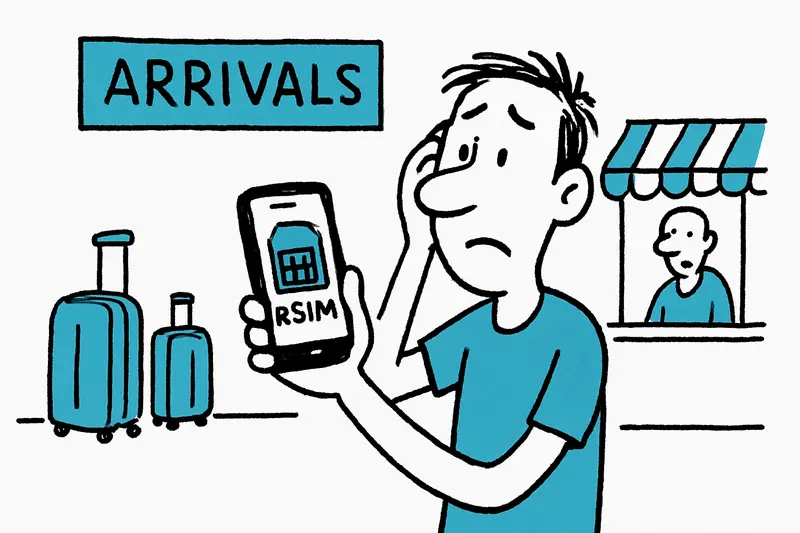
Anyone who has ever searched desperately for a SIM at Palma airport in the heat and with heavy luggage understands the appeal of the eSIM. A local look at benefits, everyday usability and practical tips.
eSIM in Mallorca: Why the digital SIM makes travel easier
A small tech trick that brings great relief
On a 38°C hot afternoon at Palma airport, amid clattering suitcases and the beeping of rolling wheels, you often see them: people searching for working Wi‑Fi or a kiosk with SIM cards. That is an image that has changed in recent years. Those who have arranged their connection before landing are usually much more relaxed in the taxi or on the Passeig Marítim.
The eSIM is not magic. It is a small digital alternative to the physical plastic card that removes many of the annoying steps upon arrival. Instead of queuing in the heat in front of a shop, you can activate a plan via an app on the way from the airport to the Plaça Major and immediately use maps, navigation and messaging. For travelers with several destinations this is especially practical: a single data plan can cover multiple countries and prevents constant SIM swapping.
What you notice on the island: guests are connected faster, and that saves nerves—especially when appointments are changed at short notice or a ferry connection is altered. Digital nomads and people who work in Palma or along the coast appreciate the same reliability. You sit in a café on the Avinguda de Jaume III, the espresso steams, and the laptop connects to the internet without drama.
For Mallorca this has practical side effects. Fewer tourists looking for a physical SIM means less crowding in phone shops, fewer small change purchases and less unnecessary plastic waste. Small shops that previously sold many prepaid cards can consider other services: tour tips, SIM help for older visitors or printing services for travel documents, a change discussed in Tarjeta Única in Mallorca: Relief with Pitfalls.
How to do it in practice? First, check if your phone supports eSIM—the most recent models from Apple, Samsung or Google are prepared. Second, choose a provider before departure that fits the destinations; some services offer packages for many countries, others are regionally focused. Third, activation: you often receive a QR code or set everything up via an app. Fourth, select the eSIM as the data plan in the phone settings and keep the old SIM as the voice line in case you need a local phone number.
An everyday example: after a late flight the airport counters are overloaded. With an activated eSIM you can still quickly book a taxi, find the hotel and inform your family, a pace of life also reflected in "10-Second Rule": How Instant Transfers Are Changing Life in Mallorca. Or you stay online when you head to Cala d'Or, Sóller and Palma in one week—without SIM changes, without stress.
There is, of course, criticism of the technology: not every device supports eSIM, and some users find the initial setup confusing. It is therefore worthwhile to go through the settings once at home at a relaxed pace. Hotels and landlords could provide simple instructions; a small note with "How to activate your eSIM" in the holiday apartment would spare many guests a lot of frustration.
The outlook is simple: eSIM will continue to spread. For Mallorca this means less hectic arrival days, more practical reachability for hosts and service providers and a bit less plastic at the end of every trip. Visitors on the island can take that as an invitation: pack fewer cards, an idea also linked to One card for all of Mallorca: From October less paper clutter in your wallet, arrange your connection in advance and enjoy the first steps on the promenade without a tech search.
A small tip at the end: if you feel unsure, try the eSIM once for a short trip. Activation rarely takes longer than a few minutes, and if something does not work, a short call to the provider often helps—or a friendly neighbor in the café who briefly explains the steps.
Frequently asked questions
What is an eSIM and why should I consider using it for Mallorca travel?
How do I activate an eSIM when arriving at Palma de Mallorca Airport?
Which devices can use eSIM in Mallorca?
How should I pick an eSIM plan for Mallorca and other destinations?
Do I still need a physical SIM card if I use an eSIM in Mallorca?
What are common drawbacks of using eSIM while visiting Mallorca?
What practical benefits does eSIM offer for Mallorca travelers?
How can I test my eSIM before a longer Mallorca trip?
Similar News
Failed before the first flight: How Fischer Air's plans for Palma were ground down
Announced routes, repeated postponements and now apparent insolvency: Why the Fischer Air project for Mallorca is not me...

Seconds in the Water: 19-year-old Fights Her Way Out of Flooded Car in Palma
A 19-year-old managed to rescue herself from her half-submerged car after sliding under the Verge de Lluc underpass. Res...

Between Dream and Reality: Thorsten Legat and the Challenges of FC Germania Mallorca
The former Bundesliga pro has assembled a colorful squad in a short time. But how realistic is the grand plan for promot...
Arrest warrant at check-in: Why two travelers at Cologne/Bonn Airport suddenly had to pay
At Cologne/Bonn Airport, federal police in mid-September found two German passengers subject to enforcement measures. Bo...

Balearic Islands as a New Route: A Reality Check on Rising Boat Migration
For the first time the Balearic Islands are ahead of the Canary Islands in boat arrivals. What do the numbers really say...
More to explore
Discover more interesting content

Can Cap de Bou

Townhouse Lleo 72
