
Extradition Ordered: Woman Allegedly Commissioned Contract Killing in Mallorca
Extradition Ordered: Woman Allegedly Commissioned Contract Killing in Mallorca
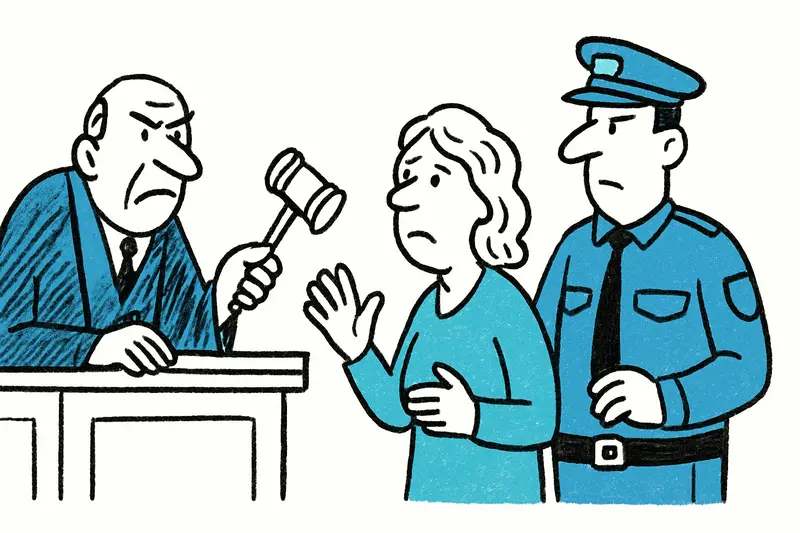
Spain's National Court has ordered the extradition of a 61-year-old woman to Germany. She is accused of commissioning a contract killing of her son-in-law in Mallorca. Questions remain about security, police cooperation and the protection of those affected.
Extradition Ordered: Woman Allegedly Commissioned Contract Killing in Mallorca
A legal act with many open questions for the island
Key question: How well is Mallorca prepared when personal revenge and organised violence become visible across borders on our island?
Spain's National Court has ordered the extradition of a 61-year-old woman to Germany. Earlier coverage detailed the suspected contract killing in s'Arenal and her initial arrest and release. She is accused of having commissioned a contract killing of her son-in-law in Mallorca between 17 and 21 September. In Cologne she is sought as an alleged accomplice on charges of incitement to murder; under German law she faces up to 15 years in prison. The decision is considered final.
Such headlines can feel abstract when strolling through Palma's old town: market stalls at the Mercat de l’Olivar, the clatter of plates on Calle Sant Miquel, the Guardia Civil driving past the harbour promenade. But behind the images are people: a family, neighbours, lawyers, police officers — and questions about how such a suspicion reached the island at all and what consequences it has for everyday life.
A sober but critical assessment: the extradition is a legal step between the Spanish and German justice systems. It shows that cross-border investigations can work, as evidenced by other operations such as the arrest in Mallorca after European arrest warrants; at the same time, cases like this reveal gaps. What support was available for potential victims or witnesses on site? How closely do local investigators work with German authorities when it comes to securing evidence, protective measures or informal tips from the neighbourhood? Too often, communication to the public remains sparse — and that sows mistrust among the population.
What often gets lost in public discourse is the perspective of affected families and the neighbourhood. At the Plaça de Cort shopkeepers quietly discuss who is involved; in a café on the Passeig Marítim you hear rumours but rarely official information. Concrete information is also often missing about how those affected are protected, whether there are safe reporting channels for suspicions, and how convictions actually affect local crime levels.
Concrete proposals: more transparency in communication between police and the public without endangering investigations. An easily accessible contact point for victims and witnesses on the island that offers telephone advice, psychological support and assistance with contacts to foreign authorities. Legal aid and translation services should be strengthened so that those affected can understand the procedures. Finally, regular exchange formats are needed between the Guardia Civil, Policía Nacional and the relevant public prosecutors of the countries involved so that extradition requests and investigations can be processed more quickly and clearly.
A small, concrete everyday example: a neighbour in Portixol notices an unusual meeting but does not dare to go to the police because she does not know the procedures and fears reprisals. The arrest of a former head of drug enforcement has also contributed to local scepticism, so a local information centre, clearly visible in a busy place such as the Mercat de l’Olivar, could lower that barrier, distribute information materials and build trust — not a cure-all, but a building block.
Conclusion: the ordered extradition shows that justice systems can operate across borders. At the same time, the case makes clear that jurisprudence alone does not cushion all consequences. Mallorca needs better communication channels, low-threshold support services and closer police cooperation so that the island remains visible not only as a stage but as a community that can respond to threats. People who live in the street cafés and markets do not expect perfect answers — but they do expect reliable structures.
Frequently asked questions
What does an extradition order mean in a Mallorca criminal case?
How do Spanish and German authorities work together in Mallorca investigations?
What should residents in Mallorca do if they witness something suspicious?
How are witnesses and victims protected in Mallorca criminal cases?
Does a serious crime case in Mallorca affect everyday life on the island?
What is the role of the Guardia Civil in Mallorca crime investigations?
Where can people in Mallorca get help if they need legal or translation support?
Why do cases linked to Palma or s'Arenal attract so much attention?
Similar News

High heel slips, car accelerates: accident on Camí de Son Hugo
A woman lost a high-heeled shoe on the forecourt of the sports facility at Camí de Son Hugo. The car accelerated, mounte...

Phone Scam: How Two Hotel Employees at Playa de Palma Lost Thousands of Euros
One morning in September, two reception employees at Playa de Palma were pressured by alleged alarm-company staff — in t...
When the Wallet Becomes a Danger: Attack in Peguera and Lessons for Mallorca
In Peguera, two women are said to have stolen the wallet from a 75-year-old German couple. When the victim intervened, t...
Plata stays Plata: Young people take over, Llonguets remain
A small bar on Carrer de l'Argenteria will continue: Tolo Serra hands the place over to young Mallorcans at the end of t...

Unnoticed in the Luggage Compartment: How a Boy Traveled More Than 100 Kilometers in a Team Bus
A minor traveled in the undercarriage of a team bus for more than 100 kilometers until his cries for help were heard. A ...
More to explore
Discover more interesting content

Can Cap de Bou

Townhouse Lleo 72
