
Fake certificates, new companies, empty coffers: How a case of contribution fraud unfolded in Mallorca
Fake certificates, new companies, empty coffers: How a case of contribution fraud unfolded in Mallorca
The Superior Balearic Court confirms three years' imprisonment against a contractor: More than €300,000 in social security contributions are said to have gone unpaid. How did the system work — and what is missing to prevent this from happening again?
Fake certificates, new companies, empty coffers: How a case of contribution fraud unfolded in Mallorca
Key question: How could a contractor in Mallorca evade social security contributions totaling more than €300,000 for years and at the same time falsify digital proof, without business partners and authorities being alerted earlier?
Brief summary of the case
The Superior Balearic Court has confirmed a three-year prison sentence against a contractor. According to the ruling, the man allegedly avoided contribution payments to social security amounting to more than €300,000. The court also found it proven that he falsified two digital certificates so that contracting parties believed the contributions had been paid. According to the judgment, the accused consecutively founded five construction companies and rotated 16 employees. As soon as large debts had accumulated at one company, he founded a new one and continued working. The manipulation of the digital proofs dates back to 2016. Contracting parties testified in the proceedings that they only learned about the true origin of the certificates when social security demanded the outstanding contributions from them.
Critical analysis: mechanics of the fraud
The pattern is simple and effective: changing companies as an escape route, low visibility of liabilities and forged digital documents as a calming measure for business partners. In the construction industry, where subcontractors and rotating project teams are commonplace, a seemingly clean proof of payment is often enough to create trust. It can be shown on construction sites, in offices on the Passeig or at contract signing and provides temporary reassurance. However, those who know the technology are aware: digital certificates can be copied or manipulated as long as no fast, automated authenticity check exists. This pattern has parallels in other local cases, for example an employee allegedly defrauding a company in Palma with forged invoices.
What's missing from the public debate
People talk about penalties and imprisonment, but rarely about weaknesses in the system: there is a lack of real-time reconciliation between social security data and what business partners are allowed to present. Responsibilities are often distributed along administrative lines; the tradesperson on the street only notices when they are held liable by social security. Missing transparency about company histories in the commercial register, delayed notifications to affected employees and inconsistent inspections exacerbate the problem. And: the technical security of digital certificates is hardly discussed publicly. Investigations into major cases have highlighted gaps at banks and authorities, for example a major real estate fraud trial in Palma.
Everyday scene from the island
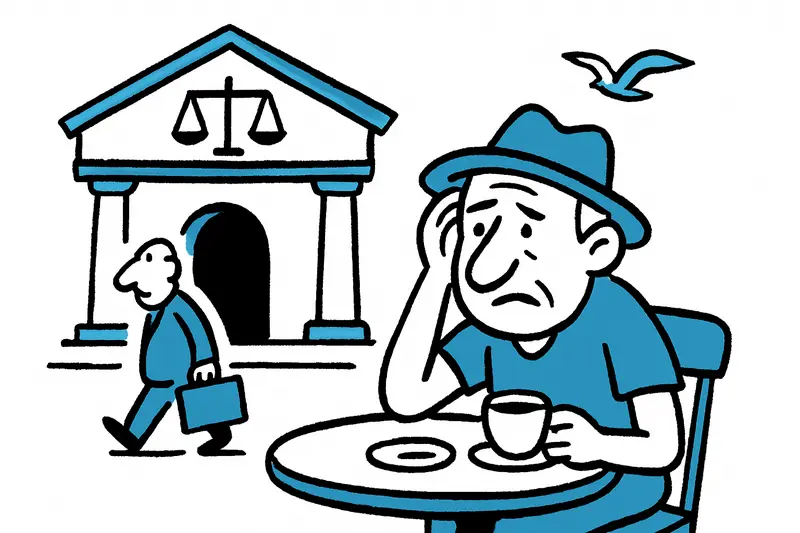
In front of the Superior Balearic Court building, where seagulls and tourists meet in the courtyard, an older construction worker sits drinking coffee. He tugs at his sun hat, listens to the murmur of passersby on the Passeig and says quietly: 'When someone stops paying for a short time, the little guy feels it in the end.' This voice from the town conveys what statistics do not show: behind every number are people who need wages, health insurance and peace for their families.
Concrete solutions
1) Introduction of an automatic, digital reconciliation point: employer reports for wages and contributions should be linked in real time with the social security system. 2) More secure certificates: two-factor authentication when issuing and verification routines for recipients so that false proofs are immediately noticeable. 3) Clarify liability rules: clients should be required to verify whether contributions are paid when using subcontractors; in case of violations there must be simple but effective sanctions. 4) Faster review procedures: the justice system needs more resources so that investigations can be completed quickly and statutes of limitations risks are reduced. 5) Protection for employees: proactive information to workers when contribution gaps appear for their employment relationship, combined with rapid placement offers from the administration. Local reporting on rapid trust breakdowns in small-scale works can be seen in cases like a handyman scam in North Mallorca, which underscores the need for faster administrative checks.
Why these measures are feasible
The technology exists: most authorities already work digitally. What is missing is political priority and binding checks. Small changes in procedures, such as mandatory online checks in procurement processes or the introduction of a central verification API, could make systematic abuse more difficult. For construction sites on the island, that would mean: less uncertainty, fewer back payments and less pressure on wages.
Pointed conclusion
The judgment holds a perpetrator accountable, but it only scratches the surface of a larger problem: when companies change quickly and digital proofs are not easily verifiable, room for abuse arises. Those who really want to change things must secure processes, not just pass sentences. Otherwise, on a warm afternoon in front of the court building, the same man will again sit at the café and hear the island complain about a new case, as seen in other complex investigations such as the international bank fraud arrests in Mallorca.
Frequently asked questions
When is the best time to visit Mallorca for beaches and outdoor activities?
What happened in the Mallorca case about fake social security contributions and forged certificates?
How can authorities prevent contribution fraud in Mallorca's construction sector?
How would real-time reconciliation help reduce fraud in social security on Mallorca?
What signs should workers watch for that may indicate payroll or contribution issues?
How can workers be informed about contribution gaps affecting their jobs?
Are digital certificates used in Mallorca's construction sector secure enough to prevent forgery?
What broader lessons does the Mallorca case offer about transparency and accountability?
Similar News
When the Wallet Becomes a Danger: Attack in Peguera and Lessons for Mallorca
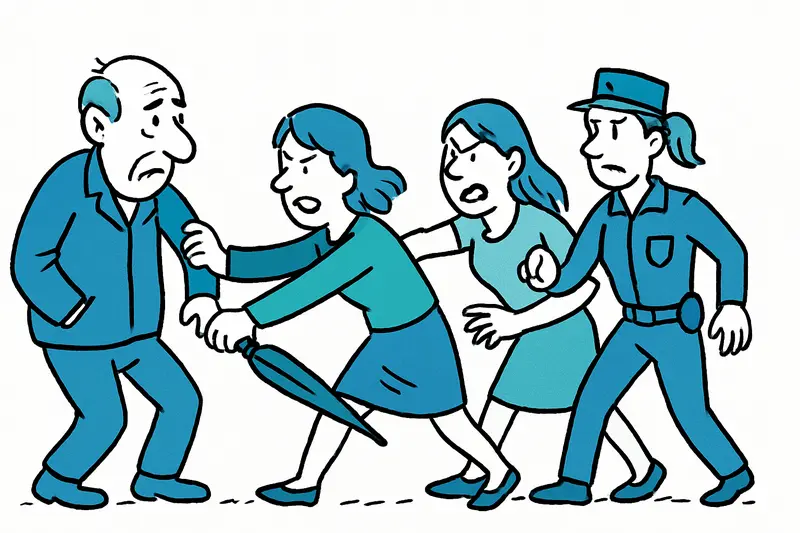
In Peguera, two women are said to have stolen the wallet from a 75-year-old German couple. When the victim intervened, t...
Plata stays Plata: Young people take over, Llonguets remain
A small bar on Carrer de l'Argenteria will continue: Tolo Serra hands the place over to young Mallorcans at the end of t...
Unnoticed in the Luggage Compartment: How a Boy Traveled More Than 100 Kilometers in a Team Bus
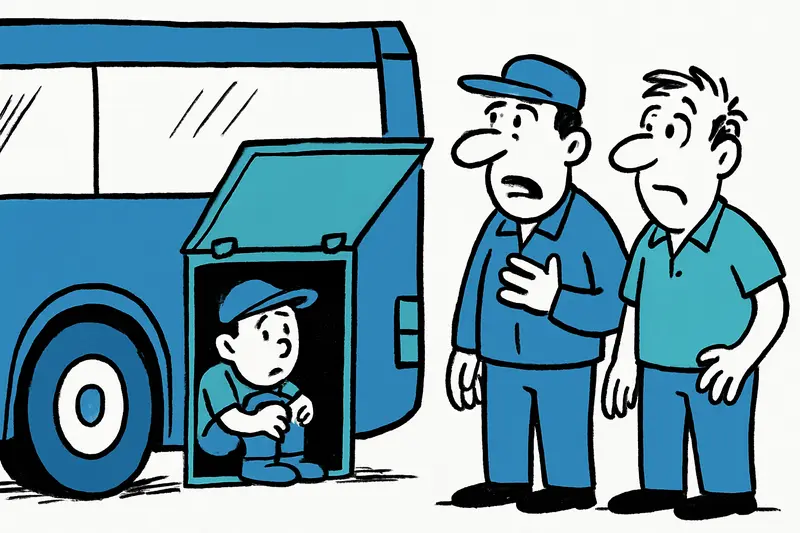
A minor traveled in the undercarriage of a team bus for more than 100 kilometers until his cries for help were heard. A ...

Cap Vermell Grand: Second Michelin Key – a Gift for the East
The Cap Vermell Grand in Capdepera has been awarded its second Michelin key. For the region this elevates the luxury off...

Eurowings lets four aircraft carry names – a friendly idea that also reaches Mallorca
Eurowings is launching a campaign: four Airbus A320s are to carry the first names of people who help others in everyday ...
More to explore
Discover more interesting content

Can Cap de Bou

Townhouse Lleo 72
