
Beware at the parking meter: Fake QR stickers in Palma's port deceive drivers
Fake QR stickers have appeared on parking meters in Palma's port, redirecting to fraudulent payment sites. Authorities are removing the stickers and investigations are underway. What you need to know and do now.
Beware at the parking meter: fake QR stickers in Palma's port
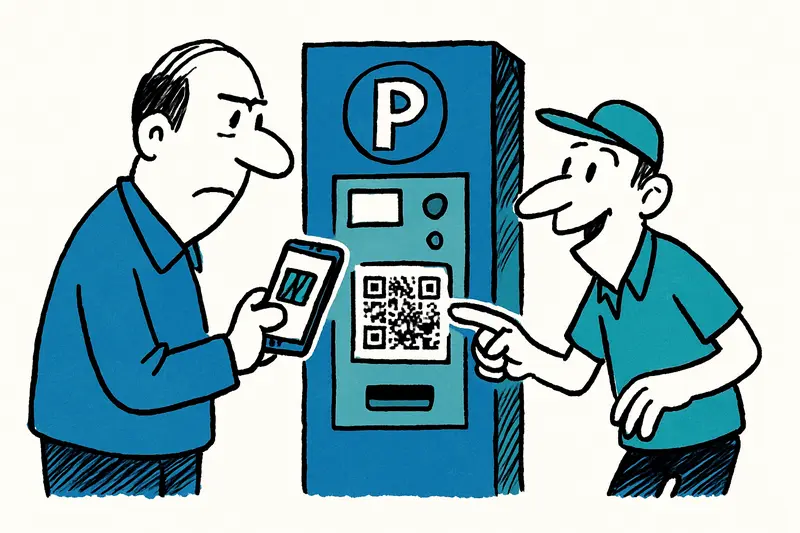
Yesterday afternoon, between the calls of the seagulls and the steady drone of a ferry, I paused briefly at the port and thought: another parking ticket to buy. Then I noticed a small, shiny sticker on the machine — almost too professional to be fake. But it is. Unknown people are sticking forged QR stickers that read “Escanea y Paga” onto machines. Anyone who pays via these links is taken to a fake payment page and hands over card or account details directly to criminals.
What is known so far
The first cases were discovered in the port area of Palma (Mallorca Magic report on fake QR codes at Palma harbour), especially in places with high visitor numbers. The port police have started removing the stickers, and investigations are ongoing. There is a central hotline for reports and tips: 971 228 487. Whether municipal parking meters are also affected is being checked by the city administration. For now we know: the scam is simple and effective — because many people are in a hurry or the stickers look deceptively real. More local coverage is available in Estafa en Palma: códigos QR falsos en parquímetros.
How to spot the trap
A few moments of attention often save a lot of trouble. Pay attention to these points: does the sticker look like it was applied later or does it sit cleanly as part of the print? Do the edges look makeshift, is tape or air bubbles visible? When scanning, check the address in the address bar: does the domain belong to an official port or city site or is it a short, unfamiliar URL with typos? For practical tips on recognising phishing pages see the Oficina de Seguridad del Internauta guidance on spotting phishing.
Important to know: an HTTPS lock symbol alone is not a free pass — many phishing sites now use encrypted connections. If the page suddenly asks for full bank details, CVV/CVC or entries that a normal parking process would not require, better stop. If possible: pay in cash or use the official app.
If you are affected
If you have already entered data, do not hesitate: call your bank immediately and have the card blocked. Every minute counts. Take photos of the machine and the sticker, note the exact location and report the incident to the Spanish National Police and the port police using the number above. Monitor your account activity closely in the following hours and dispute any unknown charges immediately.
Why this keeps working — and what we should do about it
The perpetrators rely on speed and routine. Around 9 a.m. and 7 p.m., holidaymakers and commuters often crowd the machines, eager to pay quickly before the ferry departs or dinner waits. Small, cheap stickers are inexpensive to produce and easy to distribute. They only need a short-term success to harvest profitable data.
The authorities react: remove, check, warn, including the Port Authority of the Balearic Islands. But that alone is not enough. Concrete improvements would help — for example tamper-proof QR stickers integrated into the housing or protected under glass, regular visual checks by port and city staff, clearly visible signs reading "Use only official QR codes" and a multilingual information campaign. Technically, contactless payment terminals with NFC could also be considered to minimise the risk of fake web forms.
Practical tips on the go
Short and clear: think briefly before you scan. Photograph suspicious stickers, call the hotline 971 228 487, pay in cash or via the official app if in doubt, and never enter full card or account details on an unknown site. Check your card transactions and report irregularities immediately.
The moral of the story is simple: a suspicious look at the machine costs ten seconds but saves hours of trouble. In Palma, where the sea roars and taxis wait for customers on the Passeig Marítim, it's often the small things that ruin or save the day. So: be alert — the stickers are small, the consequences can be big.
Frequently asked questions
How can I tell if a QR code on a parking meter in Palma is fake?
What should I do if I paid a parking meter in Palma through a suspicious QR code?
Are Palma harbour parking meters currently affected by fake QR stickers?
Can I trust the padlock symbol when paying for parking online in Mallorca?
Is it safer to pay parking meters in Palma with cash or an app?
What is the phone number to report fake QR codes on parking meters in Palma?
Why do fake QR sticker scams work so well at parking meters in Mallorca?
What is the best way to check a parking QR code before scanning it in Palma?
Similar News

Release after bloody attack in Palma: Why the court's decision raises questions
An 18-year-old who allegedly inflicted a serious neck injury on a man at Plaza Gomila using a wristwatch wrapped around ...
Kidnappings in Inca: Three young men forced into car trunks and abused in the forest – a reality check
In Inca, three 18-year-old men were forced into car trunks by masked assailants at the Plaça des Bestiar, taken to a for...
Spreading Massification: The Brake That Still Has Much Work to Do
Marga Prohens announces limits on volume tourism. The measures sound harsh — but are they enough to save everyday life, ...

Through the Keyhole onto the Party Yacht: How Daniela Katzenberger Is Planning Her 40th on Mallorca
Daniela Katzenberger turns 40 and wants to celebrate it on the island — likely with a boat, cake and her mother. A relax...
By Boat Instead of the Road: Palma's Water Bus — a Reality Check
The 'Bus Nàutic' launches in two stages — but questions remain over interim operations, fares and environmental requirem...
More to explore
Discover more interesting content

Can Cap de Bou

Townhouse Lleo 72
